
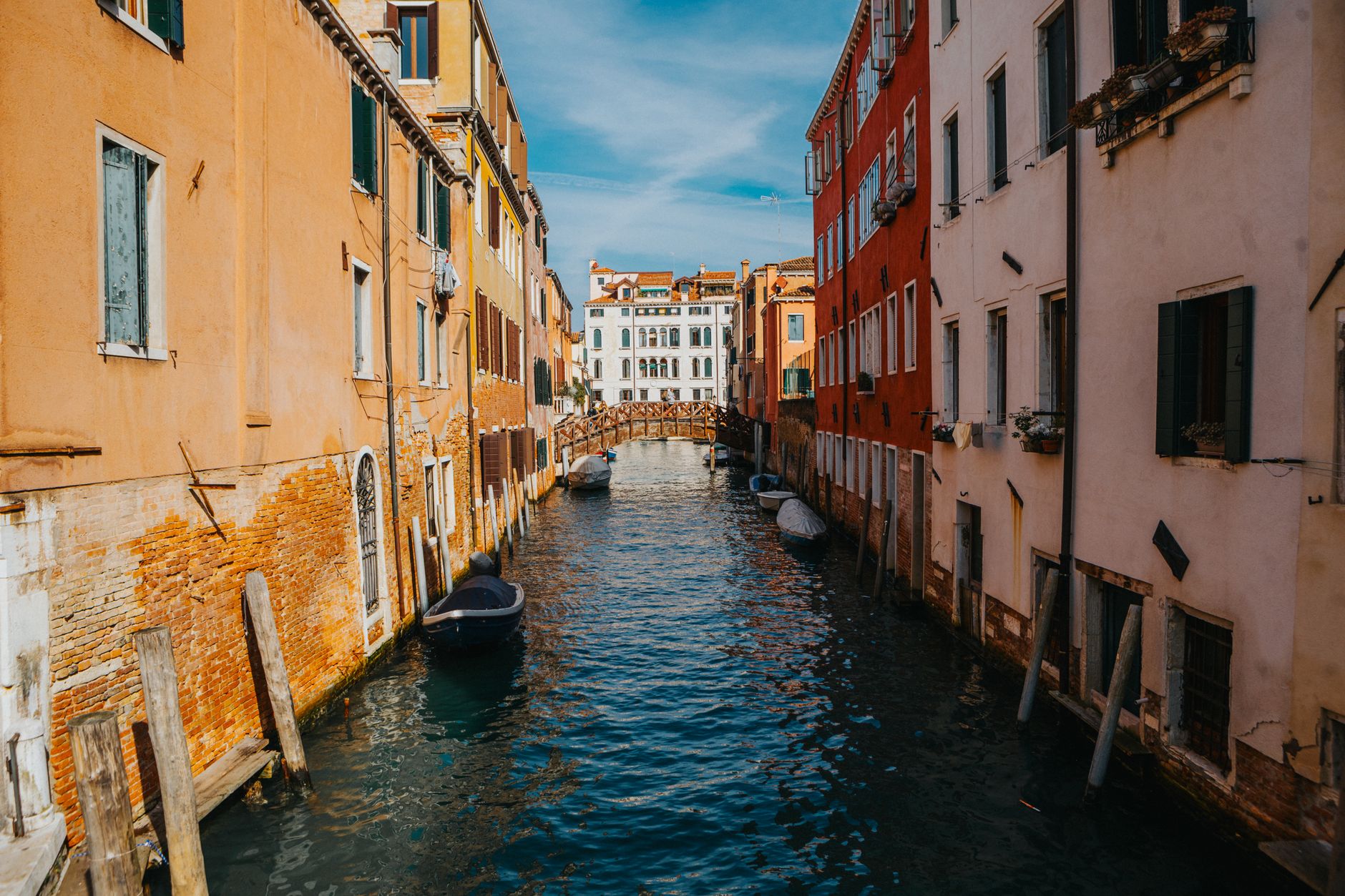
Venice, with its winding canals, historic architecture, and vibrant atmosphere, is a city that captures the imagination. With just two days to explore, you can experience some of its most iconic sights and hidden gems. From classical landmarks to quaint bridges and sumptuous dining options, here’s how to make the most of your short stay.
This guide will outline a simple yet fulfilling itinerary for experiencing Venice in 48 hours, as well as practical tips for getting around and accommodations to consider during your visit.
What To See In Venice In 2 Days?
In two days, you can discover Venice’s major attractions, explore its neighborhoods, and taste its world-renowned cuisine. Plan to visit historic sites like St. Mark’s Basilica, take a gondola ride through the canals, and enjoy the vibrant art scene in the city.
Day 1: Exploring the Heart of Venice
Start your exploration in the heart of Venice, in the layer of layers of rich history, culture, and artistry that make this city unique.
Morning: St. Mark’s Square and Basilica
Your day begins at Piazza San Marco, or St. Mark’s Square, the most famous square in Venice. Here, you will find:
- St. Mark’s Basilica: This stunning cathedral is known for its intricate mosaics and beautiful architecture. Be sure to take a moment to admire the exterior, adorned with golden mosaics depicting biblical scenes.
- Campanile di San Marco: For a panoramic view of the city, consider taking the elevator to the top of this bell tower. The views are breathtaking, allowing you to spot the Grand Canal and distant islands.
Lunch: Nearby Delicacies
After immersing yourself in the beauty of St. Mark’s Square, head to one of the nearby cafés for lunch. Try:
- Trattoria Al Gatto Nero: Located on the island of Burano, known for its colorful houses and lace making, this restaurant serves excellent seafood.
- Caffè Florian: For a truly Venetian experience, enjoy a glass of Prosecco at this historic café known for its ambiance and occasional live music.
Afternoon: Rialto Bridge and Market
Post-lunch, make your way to the famous Rialto Bridge.
- Rialto Bridge: This iconic structure crosses the Grand Canal and offers fantastic views. Take some time to explore the nearby shops.
- Mercato di Rialto: Immerse yourself in the local culture and visit the bustling market filled with fresh produce, seafood, and Venetian specialties. It’s a great place to pick up a few unique souvenirs.
Evening: Canal Cruise and Dinner
As evening approaches, winding down with a dinner along the Grand Canal is a perfect way to conclude your first day.
- Gondola Ride: Take a classic gondola ride during sunset to see the city from a new perspective. Keep an eye out for smaller canals and hidden corners.
- Dining Options: Consider dining at Ristorante da Raffaele, known for its exquisite pasta and seafood dishes, or Osteria alle Testiere for a cozy atmosphere and delicious local cuisine.
Day 2: Discovering Art and Culture
Your second day in Venice involves exploring its artistic heritage and indulging in more local flavors.
Morning: The Doge’s Palace and Bridge of Sighs
Start your day by visiting the Doge’s Palace, a masterpiece of Gothic architecture.
- Doge’s Palace: Tour the opulent halls of this former seat of power, complete with beautiful frescoes and a grand staircase. Don’t forget to check out the prisons on-site.
- Bridge of Sighs: This iconic bridge connects the palace to the prisons, named for the sighs of prisoners walking to their sentencing. It’s a poignant part of Venice’s history.
Lunch: Taste of Venice
Enjoy a leisurely lunch at a nearby trattoria. Some recommendations include:
- Osteria ai 40 Sassi: Known for its portion sizes and traditional Venetians dishes.
- Pizzeria L’Angelo: If you’re in the mood for pizza, this place is well-loved by locals.
Afternoon: Peggy Guggenheim Collection
In the afternoon, make your way to the Peggy Guggenheim Collection, one of the most important modern art museums in Italy.
- Exhibition Highlights: The collection includes works by artists such as Picasso, Pollock, and Dalí, giving you insight into modern art movements.
- Gardens: The museum also features lovely gardens where you can sit and reflect on your visit.
Evening: Murano and Dinner
If time allows, catch a vaporetto (water bus) to Murano, renowned for its glassmaking tradition.
- Glass Factory Tour: Many glass factories offer demonstrations showcasing the artistry behind Murano glass. This is a fascinating experience, so plan it ahead of time.
- Dinner in Murano: Dine at Ristorante Murano, known for its beautiful views and seafood, before heading back to Venice.
Transportation in Venice
Getting around Venice can be both a delight and a challenge, particularly because the city is built on water.
- Walking: The best way to experience Venice is to wander its narrow streets and bridges. Wear comfortable shoes as there will be plenty of walking.
- Vaporettos: These boats function as the city’s public transportation system. They are reliable and an enjoyable way to navigate the canals.
- Taxis and Gondolas: Water taxis are available but are significantly more expensive. Gondola rides offer a unique perspective but can be pricey if you go on one.
Where to Stay in Venice
Choosing the right accommodation is essential for enhancing your experience in Venice. Here are some areas to consider:
- San Marco: Perfect for first-time visitors, as it’s close to the main attractions.
- Cannaregio: A less crowded area that offers a good view of local life while providing easy access to restaurants and shops.
- Santa Croce: Great for budget travelers, this area has numerous affordable accommodations and is still close to the main sights.
When to Visit Venice
The ideal time to visit Venice depends on what you prefer in terms of crowds, climate, and activities:
- Spring (March to May): Best for pleasant weather and fewer tourists.
- Summer (June to August): Peak travel season, with busy streets and vibrant festivals, but can be hot and humid.
- Autumn (September to November): An excellent time for fewer crowds, beautiful fall colors, and cultural activities.
- Winter (December to February): Cold temperatures, but fewer tourists and opportunities to celebrate Carnival.
Budget Considerations
Venice can be an expensive destination, but there are ways to manage your budget effectively:
- Accommodation: Look for options that are outside the main tourist areas or use platforms offering short-term rentals, which can be more economical.
- Eating: Opt for local bakeries and markets for meals and snacks rather than sit-down restaurants.
- Attraction Passes: Consider a Venezia Unica City Pass, which can offer discounts on public transport and entrance fees.
Safety and Accessibility
As with any major city, safety while traveling in Venice is important:
- Safety: Venice is relatively safe, but keep your belongings secure, especially in crowded areas.
- Accessibility: While many attractions are accessible, the city’s layout can pose challenges. Research accessibility options in advance if needed.
This 2-day itinerary will guide you through the romantic, whimsical essence of Venice, through its historic landmarks, art scene, and culinary delights. With planning, your brief visit can be enriching and unforgettable. Whether you’re discovering world-famous sites like St. Mark’s or enjoying a quiet lunch near the canals, Venice is bound to leave a lasting impression.
For further adventures, check out the guides on what to see in Rome in 3 days and where to stay in Italy.