
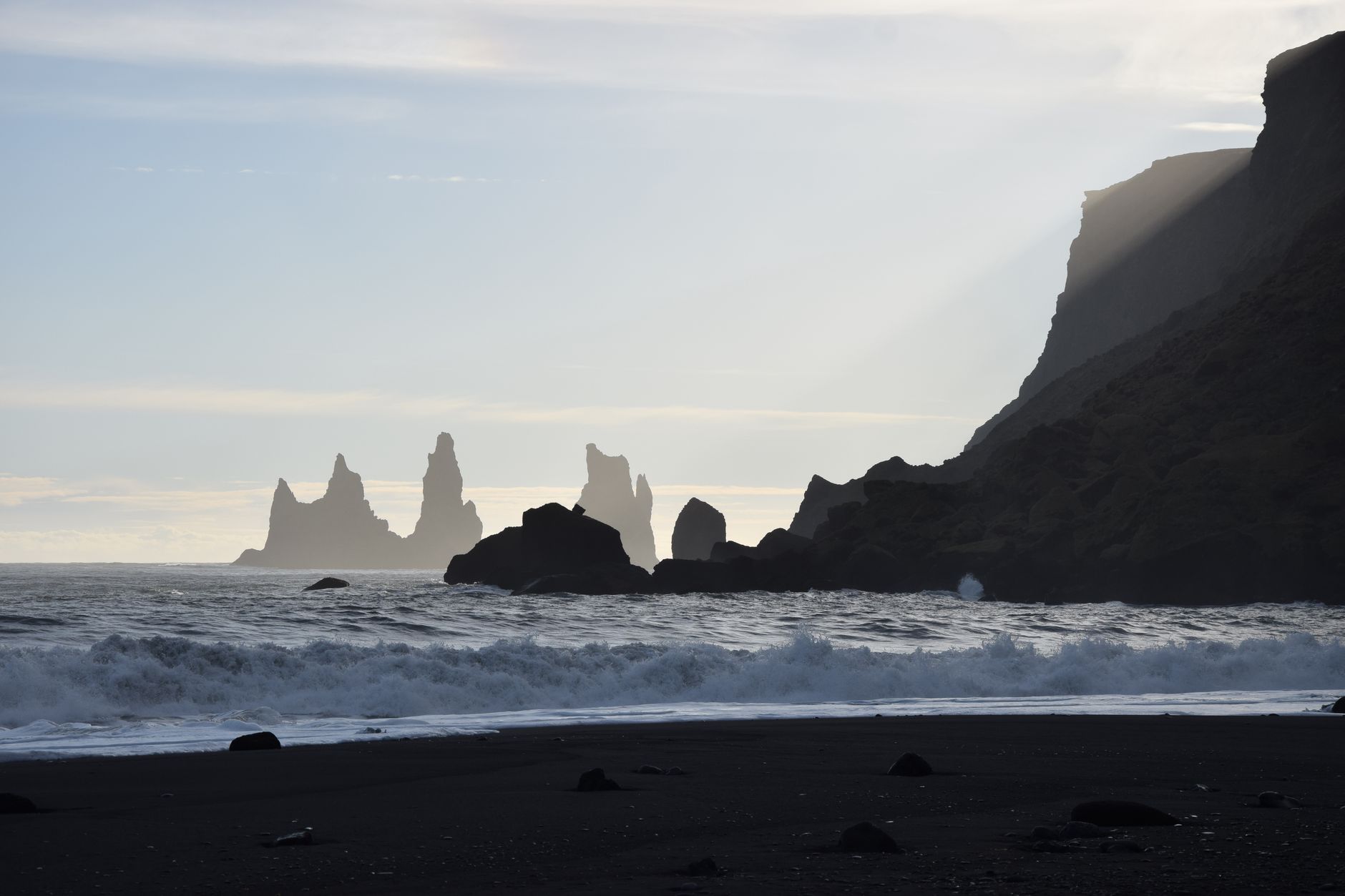
Iceland, a land of stunning natural beauty, unique geological features, and rich cultural heritage, is an incredible destination for all types of travelers. Whether you’re an adventure seeker, a nature lover, or someone interested in history, Iceland offers a wide range of must-do experiences that will leave lasting memories.
From the awe-inspiring Golden Circle to the breathtaking glaciers and hot springs, the allure of this Nordic island nation is undeniable. This guide outlines the essential experiences and attractions that you shouldn’t miss while visiting Iceland.
What Are the Must Do Experiences in Iceland?
The must-do experiences in Iceland include exploring the Golden Circle, witnessing the Northern Lights, relaxing in geothermal spas, hiking in national parks, and experiencing the vibrant culture in Reykjavik. Each activity showcases Iceland’s natural wonders and rich traditions, making it worth every moment spent here.
Getting to Iceland
Iceland is easily accessible from many major cities around the world, with Keflavik International Airport (KEF) being the primary international gateway. Several airlines offer direct flights, making it convenient to plan your visit.
Here are some tips for booking flights:
- Book in advance for better rates, especially during peak tourist season.
- Consider flying into nearby cities if they have better flight options.
- Check for deals and flight aggregators to find the best prices.
Getting Around Iceland
Transportation options within Iceland vary based on your travel preferences and itineraries. Here is a breakdown of the main ways to get around:
Rental Cars
Renting a car is one of the most popular options for exploring Iceland. It offers flexibility and the opportunity to discover remote areas at your own pace.
- Select a 4WD vehicle, especially if you plan to explore the Westfjords or the Highlands.
- Keep in mind that weather conditions can change quickly, so check road conditions regularly.
Public Transport
Iceland’s public transport system includes buses that link major cities and popular tourist sites. However, services can be limited outside peak tourist season.
Guided Tours
Many visitors opt for guided tours, which often include transportation. This option can be advantageous as it removes the stress of navigation.
Domestic Flights
For those planning to visit more remote locations, domestic flights are available, connecting Reykjavik with various towns and scenic regions.
When to Visit Iceland
The best time to visit Iceland largely depends on what you want to experience. Each season offers distinct advantages:
- Summer (June to August): Ideal for outdoor activities, long daylight hours, and access to highland areas.
- Winter (December to February): Perfect for skiing and viewing the Northern Lights, though the days are short.
- Shoulder Seasons (Spring & Fall): Fewer crowds and mild weather make these times great for sightseeing.
Suggested Itinerary Length
A typical stay in Iceland can range from a long weekend to one week. Here are a few suggestions based on different travel times:
- Long Weekend (3-4 Days): Focus on Reykjavik and the Golden Circle.
- One Week: Explore the Golden Circle, South Coast, and Snæfellsnes Peninsula.
- More than One Week: Include the Westfjords, the North, and the Eastfjords for a comprehensive experience.
Must-Do Attractions in Iceland
Iceland is rich with attractions that offer breathtaking views and unique experiences. Here are some must-visit locations:
The Golden Circle
The Golden Circle is perhaps Iceland’s most famous tourist route, comprising three main stops:
- Þingvellir National Park: A UNESCO World Heritage Site that showcases the rift between the North American and Eurasian tectonic plates.
- Geysir Geothermal Area: Home to the Strokkur geyser, which erupts every few minutes, providing exhilarating photo opportunities.
- Gullfoss Waterfall: A majestic waterfall that cascades over two tiers, creating a stunning visual spectacle.
The South Coast
The South Coast is renowned for its stunning landscapes, including waterfalls, black sand beaches, and glaciers:
- Seljalandsfoss: A unique waterfall you can walk behind for a thrilling perspective.
- Skogafoss: This monumental waterfall is ideal for hiking and photography.
- Reynisfjara Beach: Known for its black sand, basalt columns, and dramatic rock formations.
- Vatnajökull National Park: This park features Europe’s largest glacier and offers numerous hiking trails and ice climbing opportunities.
Snæfellsnes Peninsula
This area, often referred to as “Iceland in Miniature,” showcases a diverse range of landscapes:
- Snæfellsjökull Glacier: A volcano topped with a glacier that inspired Jules Verne’s “Journey to the Center of the Earth.”
- Kirkjufell Mountain: Iconic and photogenic, this mountain is often featured in social media feeds.
- Búðakirkja: A striking black church located in a scenic lava field, perfect for photographs.
The Blue Lagoon
The Blue Lagoon is among the most famous geothermal spas in the world.
- Relax in mineral-rich waters that promise relaxation and rejuvenation.
- Consider booking in advance to avoid long wait times.
- Packages often include amenities such as sauna access and in-water massages.
Reykjavik
The capital city is bursting with cultural activities and vibrant nightlife:
- Hallgrímskirkja Church: A stunning architectural landmark that offers panoramic views of the city from its tower.
- Harpa Concert Hall: A visually striking venue that hosts concerts and events.
- The Sun Voyager: A beautiful sculpture that represents a dreamboat and a promise of new beginnings.
Unique Activities in Iceland
Iceland is not just about sightseeing; there are a variety of unique activities that cater to a range of interests:
Hiking Adventures
Whether you’re a seasoned hiker or a beginner, Iceland has numerous trails to explore:
- Landmannalaugar: Famous for its vibrant rhyolite mountains and geothermal hot springs.
- Þingvellir National Park: Offers numerous trails with significant historical and geological value.
Northern Lights Viewing
The Northern Lights, or Aurora Borealis, are a captivating phenomenon best seen during winter months. Here are a few tips for catching the lights:
- Get away from city lights for the best visibility.
- Consider guided tours for expert advice on the best locations.
- Check aurora forecasts before heading out.
Whale Watching
Many coastal towns offer excellent whale-watching opportunities. Here’s what you need to know:
- Common species include humpback whales, orcas, and minke whales.
- Book tours during the summer months for the best chances of sightings.
- Dress warmly, even in summer, as it can be brisk on the water.
Food and Drink in Iceland
Sampling Iceland’s cuisine is a must for any visitor. Traditional Icelandic dishes often feature seafood, lamb, and dairy. Here are some recommendations:
Icelandic Unique Dishes
- Hákarl: Fermented shark, which is an acquired taste.
- Þorramatur: A platter of traditional Icelandic preserves.
- Skyr: A thick yogurt-like dairy product that is delicious and nutritious.
Restaurants to Consider
Iceland offers a variety of dining options, from casual eateries to fine dining. Here are a few to try:
- Fiskfélagið (Fish Company): Renowned for its fresh seafood and tasting menus.
- Dill Restaurant: Offers contemporary Nordic cuisine with local ingredients.
- Baejarins Beztu Pylsur: A famous hot dog stand that’s a must-visit for a quick snack.
Accommodation in Iceland
Iceland provides a wide range of accommodation options that cater to all budgets and preferences:
Hotels
In larger towns and cities such as Reykjavik, you’ll find a variety of hotels ranging from budget to luxury. Key areas include:
- Reykjavik: Offers numerous hotels and hostels close to attractions.
- Selfoss: Ideal for those exploring the Golden Circle.
Guesthouses and Hostels
For a more intimate experience, consider guesthouses, which often provide breakfast and local insights.
Campsites
Camping is popular in Iceland and offers a unique way to connect with nature. Many campsites are equipped with facilities but check the opening seasons as availability can vary.
Budget Considerations
Traveling in Iceland can be pricey, but there are ways to manage your expenses:
Food Costs
Dining out can be expensive; consider the following to save money:
- Shop at local grocery stores to cook your own meals.
- Opt for lunch specials or set menus.
Attraction Fees
While many natural attractions are free, there are entrance fees for hot springs and certain parks. Always check beforehand.
Transportation Costs
Rental cars can vary widely in price. Research various options and compare rates for better deals.
Accessibility Considerations
Iceland is working to improve accessibility for visitors with disabilities, but it’s good to plan ahead:
- Most urban areas, including Reykjavik, have accessible facilities.
- Some natural attractions may have limited access, so research ahead.
Safety Tips for Travelers
Iceland is generally safe, but be mindful of the following:
- Always adhere to safety signs, especially near cliffs and volcanic areas.
- Weather can change rapidly; dress in layers and check forecasts.
- Use caution when driving, particularly in winter months.
Iceland is an extraordinary destination packed with natural wonders, vibrant culture, and unforgettable experiences. Plan your itinerary wisely and be open to adventure. Whether you’re hiking a glacier, soaking in a hot spring, or exploring the capital, you’re bound to create lasting memories in this enchanting land.
For more travel information, consider exploring seeing the Northern Lights in Iceland and discovering Northern Lights options in Ireland. These guides can enhance your travel planning and make the most of your trip to this stunning region.