
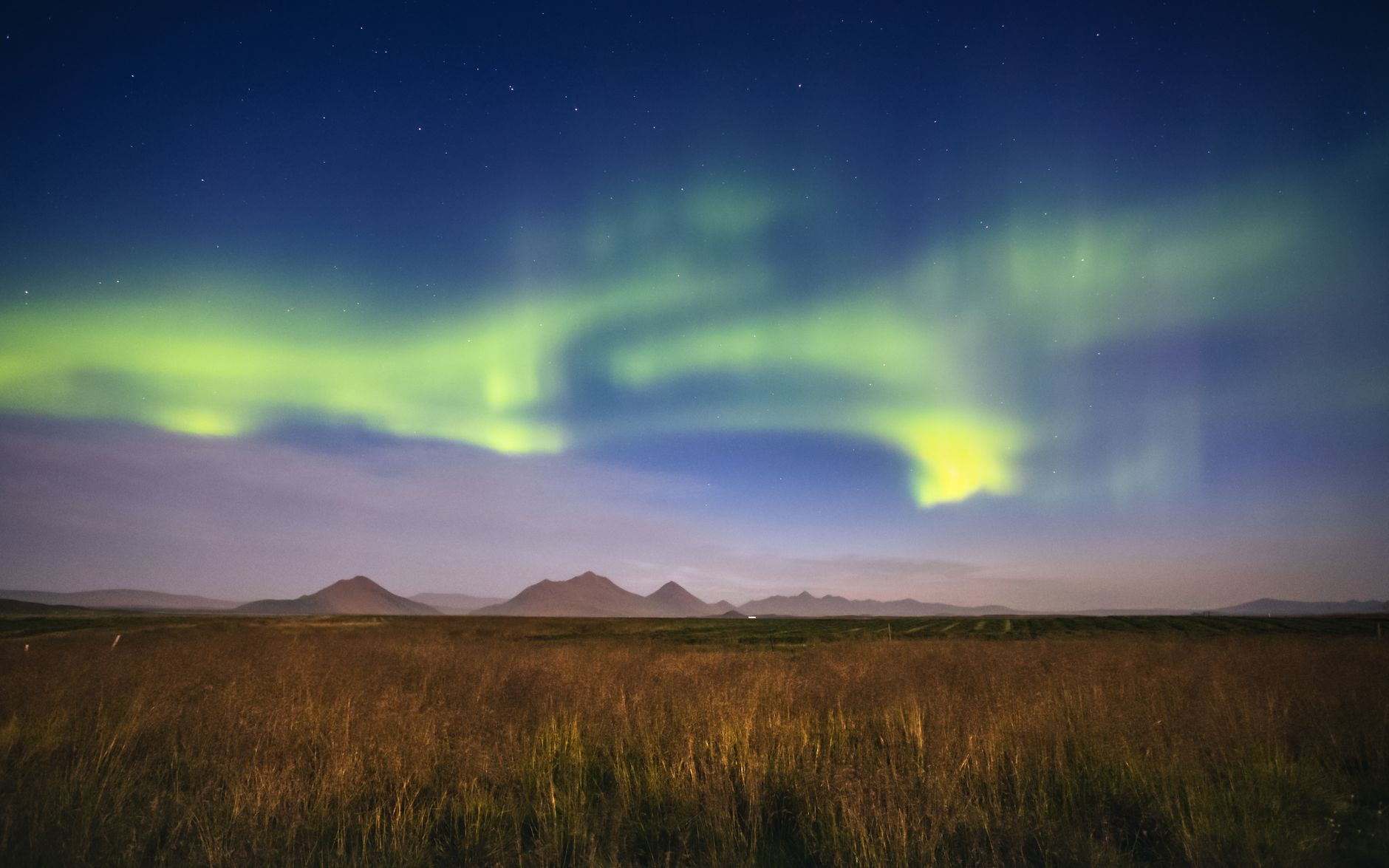
The beauty of Iceland is renowned worldwide, especially for its breathtaking natural phenomena, including the mesmerizing Northern Lights. However, many travelers often wonder when the best time to view these natural wonders is. Specifically, can you see the Northern Lights in Iceland in July?
In short, the chances of witnessing the Northern Lights in July are extremely low due to the prolonged daylight hours associated with the region’s summer. This article will delve deeper into the reasons behind this, as well as providing practical travel tips for those eager to experience Iceland’s incredible landscapes and features during the summer months.
Can You See Northern Lights In Iceland In July?
It is highly unlikely to see Northern Lights in Iceland in July due to the midnight sun phenomenon, which provides nearly 24 hours of daylight. The brightness of the sun overshadows the ability to see the auroras. The best time to see the Northern Lights in Iceland typically falls between September and April when nights are longer and darker.
Understanding the Northern Lights Phenomenon
The Northern Lights, or Aurora Borealis, are caused by charged particles from the sun interacting with the Earth’s atmosphere. This interaction leads to spectacular light displays predominantly seen in polar regions. The visibility of the lights is influenced by several factors, including solar activity, atmospheric conditions, and, crucially, darkness.
During summer months, particularly in July, Iceland experiences the midnight sun, where the sun sets for only a short duration or does not set at all, leading to a lack of darkness necessary for viewing the Northern Lights. Hence, while the scenery in Iceland is captivating during this time, the Northern Lights remain elusive.
Best Time to See the Northern Lights in Iceland
If you are targeting a visit to see the Northern Lights, consider planning your trip between September and April. The peak months often cited are October, February, and March. During these times, longer nights and generally clearer skies increase the chances of witnessing the auroras.
Optimizing Your Chance of Seeing the Northern Lights
To enhance your chances of seeing the Northern Lights, keep these tips in mind:
- Head to darker areas away from city lights for optimal viewing.
- Monitor aurora forecasts and choose nights with high KP indexes.
- Be patient and allow for flexibility in your travel plans; the auroras can be unpredictable.
Experiencing Iceland in July
Although July isn’t ideal for Northern Lights viewing, Iceland in summer offers a multitude of other adventures and stunning landscapes. Visitors can enjoy mild temperatures, vibrant greenery, and activities that are unique to the season. Below are some highlights of what you can do in Iceland in July.
Exploring Natural Attractions
Iceland is home to numerous natural wonders worth exploring during the summer. Here are some recommendations:
1. Golden Circle
The Golden Circle is a popular route that showcases Iceland’s stunning natural beauty. Key stops include:
- Þingvellir National Park: A UNESCO World Heritage site known for its unique rift valley.
- Geysir Geothermal Area: Home to the famous Strokkur geyser that erupts every few minutes.
- Gullfoss Waterfall: A spectacular two-tiered waterfall that impresses with its size and power.
2. South Coast
The South Coast is packed with breathtaking views and incredible landscapes. Highlights include:
- Seljalandsfoss and Skógafoss: Two of Iceland’s most famous waterfalls.
- Reynisfjara Black Sand Beach: Known for its striking basalt columns and sea stacks.
- Vatnajökull National Park: Home to Europe’s largest glacier and stunning glacial landscapes.
3. Snæfellsnes Peninsula
The Snæfellsnes Peninsula is often referred to as “Iceland in Miniature” for its diverse landscapes. Highlights include:
- Snæfellsjökull Glacier: A volcano topped by a glacier, providing opportunities for hiking and photography.
- Kirkjufell Mountain: One of the most photographed mountains in Iceland, especially when paired with the nearby waterfalls.
Unique Summer Activities
July is a great time to engage in various outdoor activities in Iceland:
- Hiking: Numerous trails cater to different skill levels, including paths in Þingvellir National Park and Landmannalaugar.
- Whale Watching: Head out from Reykjavík or Akureyri to spot incredible marine life.
- Bird Watching: Iceland is home to diverse bird species, particularly during summer, including puffins.
Festivals and Events
Summer is a vibrant time in Iceland, with various festivals and events taking place. Some notable ones include:
- Reykjavík Culture Night: A festival celebrating local culture, music, and art, usually taking place in mid-August.
- Þjóðhátíð: A national festival celebrated on the first weekend of August with traditional music, food, and festivities.
Planning Your Trip to Iceland in July
When to Book Your Trip
To secure your preferred accommodations and activities, it’s recommended to book your trip several months in advance. July is a popular time for tourists, and availability may become limited as the date approaches.
Where to Stay
Accommodations in Iceland vary from hotels to guesthouses and camping options. Here are some considerations:
- Reykjavík: The capital city offers a range of hotels, hostels, and guesthouses. Staying here provides easy access to transportation and amenities.
- Cottages and Cabins: For a more secluded experience, consider renting a cabin in rural areas or near popular attractions.
- Camping: There are numerous campsites across the country, which can be a budget-friendly option if you are traveling with your camping gear.
Transportation Options
Traveling around Iceland offers several transportation choices:
- Rental Car: A rental car grants the freedom to explore at your pace. Ensure to book in advance, especially during peak season.
- Bus Services: Various bus operators provide services to popular sites, and public transportation is available within cities.
- Group Tours: There are several guided tours that offer convenient ways to experience major attractions if you prefer not to drive.
Budgeting Your Trip
Iceland can be an expensive destination, so budgeting is key to managing your travel costs effectively. Consider the following factors:
Accommodations
Accommodation prices can vary widely based on location, season, and type. Expect to pay higher prices for hotels during peak summer months. Alternatives like hostels or guesthouses may offer more affordable options.
Food and Drink
Dining in Iceland can also add to your expenses. To save:
- Try local grocery stores to prepare your meals.
- Look for lunch specials or food trucks for budget-friendly dining options.
Activities
While many natural attractions are free, guided tours and excursions can add up. Research and book tours in advance to secure a reasonable price. Aim to balance free activities with a few paid experiences that truly interest you.
Travel Safely in Iceland
While Iceland is considered a safe destination, it is essential to keep a few travel safety tips in mind:
- Always stay informed about weather conditions, which can change rapidly.
- Follow local guidelines and warnings, especially while hiking or exploring natural areas.
- Be mindful of wildlife and respect natural habitats.
Summing Up Your Icelandic Adventure in July
While the Northern Lights may not be visible during your visit in July, Iceland’s summer landscapes, adventures, and natural wonders promise a fulfilling experience. From exploring majestic glaciers and waterfalls to engaging in delightful outdoor activities, you can create lasting memories during your time in this incredible country.
For a practical next step, start planning your itinerary around the activities that excite you most, and surely, the charm of Iceland will captivate you even without the auroras. To enhance your culinary experience, consider exploring some of the best restaurants in Iceland.
Discover related destination guides and travel-planning articles that may interest you: best restaurants in Iceland.