
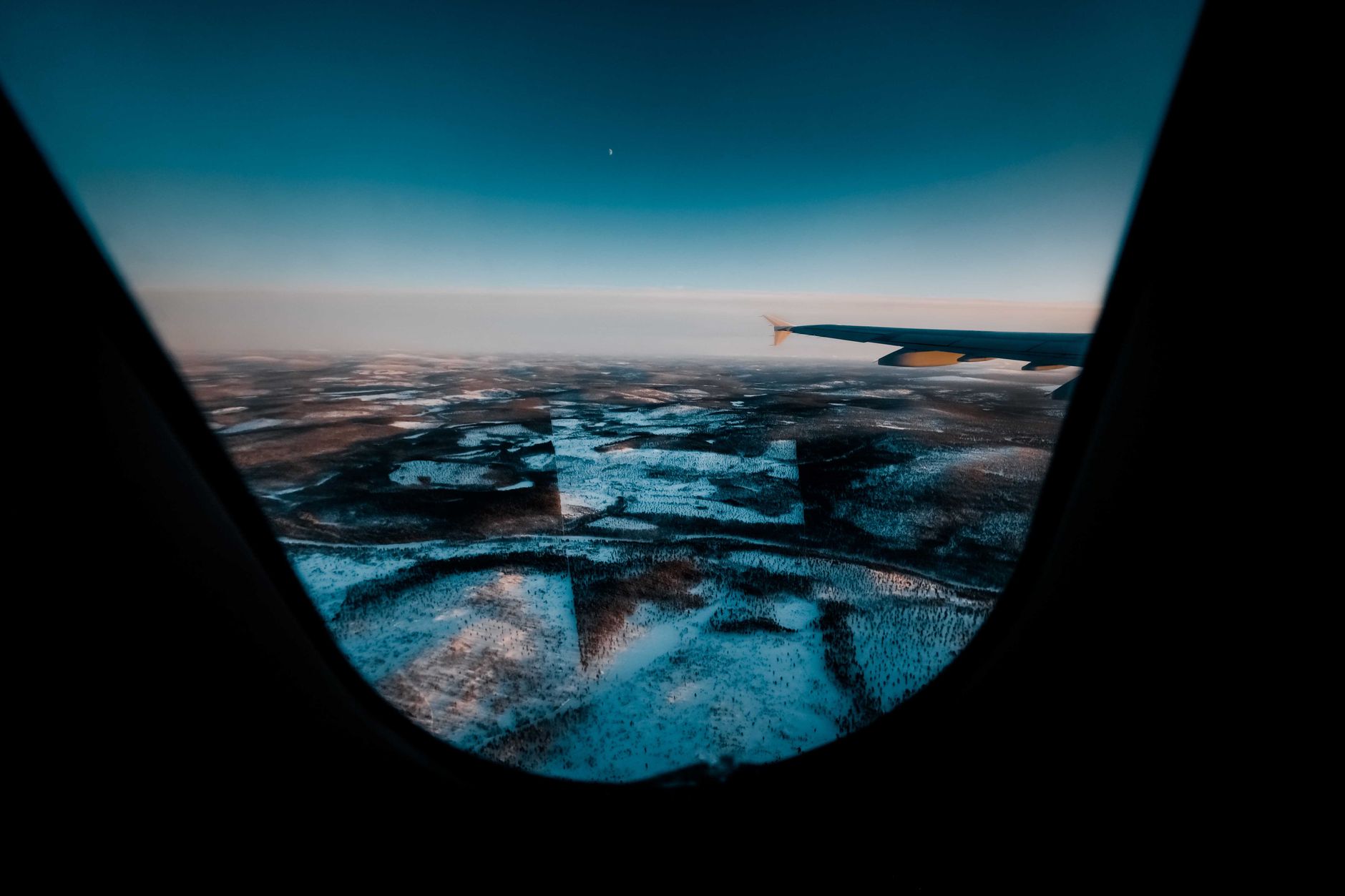
As winter approaches, many travelers start to consider the impact of snowy conditions on their flight plans. The question arises: Can airplanes fly in snow? The answer is yes, but several critical factors determine whether flights can take off or land safely during snowy weather. Understanding these factors can help prepare you for winter travel.
This comprehensive guide will discuss how airplanes operate in snow, the procedures airlines follow in bad weather, and tips for travelers to ensure a smooth flying experience regardless of the season. Whether you’re flying to a winter wonderland or navigating through snow-affected areas, this information will help you plan better.
Can Airplanes Fly In Snow?
Yes, airplanes can fly in snow, but there are important considerations regarding safety and operations. Airlines have protocols in place to manage snow and ice on aircraft, runways, and taxiways. However, the severity of the snowfall, ground conditions, and temperature all play significant roles in mitigating risks.
How Airplanes Are Prepared for Snow
Airplanes are equipped to handle snow; however, various preparations are vital to ensure safety during winter months. Below are some strategies that airlines and airports implement to ensure flight safety during snowy conditions:
- De-icing Procedures: De-icing fluids are sprayed on aircraft before takeoff to remove any snow or ice that may impact flight efficiency. This process is critical to maintaining aircraft performance.
- Anti-icing Fluids: Anti-icing fluids are applied to planes at the airport to prevent ice from forming on the aircraft during taxiing or while waiting for takeoff.
- Pre-Flight Check-ups: Pilots, along with ground staff, conduct thorough checks of aircraft to ensure that all systems are functioning well and that no snow or ice has accumulated in critical areas, such as wings and engines.
- Runway Snow Removal: Airports utilize snowplows and other machinery to keep runways clear. Some airports even have heated runways to reduce snow accumulation.
- Monitoring Weather Conditions: Airlines continuously monitor weather conditions and utilize forecasts to make informed decisions regarding scheduling and safety.
Factors Affecting Flights in Snowy Conditions
While the ability of airlines to operate flights in snow is impressive, several factors can influence whether a flight will proceed as scheduled:
1. Severity of Snowfall
Light snowfall may have little to no impact on flight operations, while heavy snowfall can cause significant delays or cancellations. Airlines often evaluate snowfall rates to determine if flights can be safely conducted.
2. Temperature
Temperatures below freezing can lead to ice formation, both on aircraft and on runways. On the other hand, temperatures above freezing can lead to slushy conditions that may also affect flight operations. Each scenario necessitates different precautionary measures.
3. Visibility Conditions
Heavily snow-laden skies can significantly impact visibility, making it challenging for pilots during takeoff and landing. If visibility falls below acceptable thresholds, flights may be delayed or rerouted.
4. Airport Operations and Readiness
The readiness of the airport to handle winter conditions significantly affects flight operations. Well-prepared airports with snow clearing and de-icing capabilities can minimize disruptions.
Airline Protocols During Winter Weather
Airlines have established procedures for managing operations during winter weather. Here’s what passengers can expect:
- Flight Cancellations: In severe weather, airlines may cancel flights preemptively to keep passengers safe. They often announce cancellations well in advance.
- Flight Delays: Short-term delays are common due to de-icing procedures and runway clearing. Expect communication from the airline regarding changes in your travel schedule.
- Rebooking Options: Airlines typically offer rebooking options or refunds for canceled flights. It’s advisable to check airline policies regarding weather-related disruptions.
- Customer Support: Airlines provide updates through mobile apps, websites, and social media, keeping passengers informed about their flights’ status.
Indoor Waiting Strategies During Delays
When traveling in winter weather, delays can be more common than expected. Here are some strategies to keep yourself comfortable during wait times at the airport:
- Keep Updated: Regularly check the status of your flight on the airline’s app or website for any real-time updates.
- Stay Comfortable: Dress in layers and wear comfortable shoes. Airports can be chilly due to air conditioning and winter weather.
- Access Amenities: Utilize airport lounges if available or explore retail and dining options. Some airports have cozy spots to relax or enjoy refreshments.
- Prepacked Snacks: Include snacks in your travel bag. Airport food may be less varied during delays or cancellations.
What to Expect If Your Flight Is Delayed or Canceled
When facing unexpected delays or cancellations due to snowy conditions, it’s helpful to know what to do next. Keep these tips in mind:
- Contact Your Airline: Reach out to customer service for options regarding rebooking. Many airlines have streamlined their processes and can assist with finding the next available flight.
- Request Assistance: Depending on the situation, airlines may offer assistance such as accommodation or meal vouchers for long delays or cancellations.
- Stay Patient: Understand that weather-related disruptions are often beyond the airline’s control. Maintaining a positive attitude can help ease the stress of travel.
Travel Tips for Flying in Snowy Conditions
For those traveling during the winter months, here are some practical tips to enhance your flying experience:
- Book Early: Consider booking flights in advance. Early bookings give you better options and reduced stress during peak travel times.
- Flexible Itineraries: If possible, allow for flexibility in your travel plans. Flexibility can help minimize the impact of delays and cancellations.
- Know Your Rights: Familiarize yourself with the airline’s policies on cancellations and delays to know what options you have in case of disruptions.
- Check-In Online: Engage in online check-in procedures, allowing you to bypass queues and minimize stress at the airport.
- Pack Essentials: Carry critical items like medications, chargers, and travel documents in your carry-on to avoid issues in case of lost luggage.
How to Prepare for Weather Varieties at Your Destination
When flying to snowy destinations, being prepared for different weather conditions upon arrival is essential. Here’s how to get ready:
- Pack Smart: Bring appropriate winter attire, including insulated jackets, hats, gloves, and boots, to stay warm upon arrival.
- Check Local Weather Forecasts: Stay informed about the weather conditions at your destination to dress and pack accordingly.
- Local Transportation: Investigate the local transportation situation, as snow can affect tram or bus services. Renting a vehicle may be viable if roads are cleared.
Conclusion
Traveling during snowy conditions can be a unique experience, and understanding the operational aspects of flights can ease travel anxiety. Airlines are well-equipped to handle various winter weather challenges, and as a passenger, taking proactive steps can help save time and stress. Remember to stay informed, flexible, and well-prepared to enjoy safe travels, no matter the season.
For more helpful travel advice, check out related guides such as the best restaurants in Atlanta Airport and best restaurants in Phoenix Airport.