
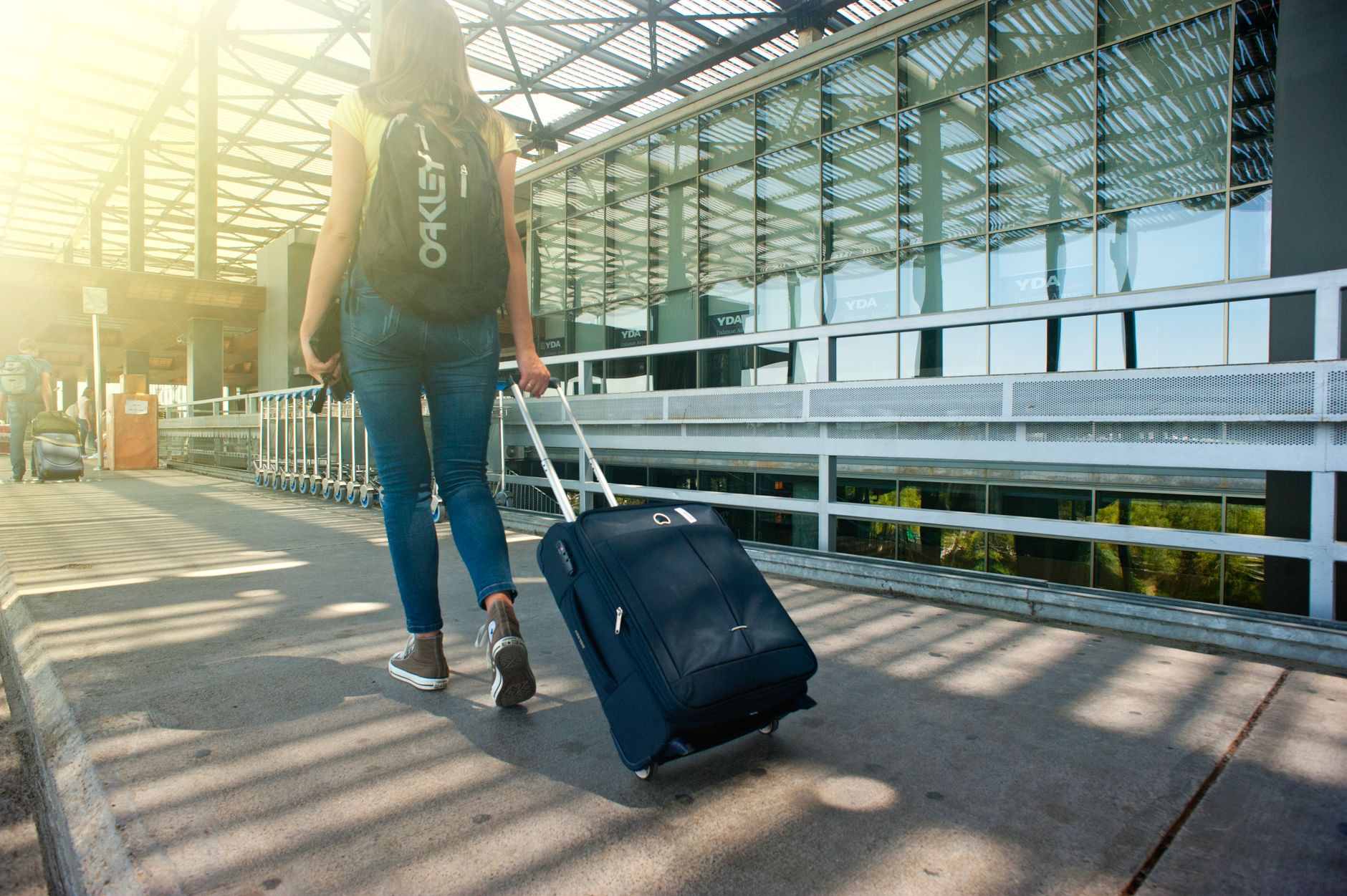
Traveling with carry-on luggage can simplify your journey by avoiding checked baggage fees and long waits at baggage claim. However, you might wonder if it is allowable to bring two carry-on bags on a flight. The answer varies, depending on the airline and specific flight policies.
Understanding the rules for carry-on baggage is essential for efficient packing and a smooth airport experience. This guide will clarify the regulations around carrying two bags, provide packing tips, and offer alternatives that can enhance your travel experience.
Can I Have Two Carry On Bags?
In general, most airlines allow passengers to bring one primary carry-on bag and one personal item. A personal item can include a handbag, laptop bag, or backpack, while the primary bag needs to meet specific size requirements. However, some airlines do permit additional items, so it’s vital to check the airline’s specific policies.
Airline Carry-On Policies
Different airlines have varying rules regarding luggage, including the number of carry-on items allowed. Here’s a summary of some popular airlines’ carry-on baggage policies:
- American Airlines: One carry-on bag and one personal item.
- Delta Airlines: One carry-on bag and one personal item.
- Southwest Airlines: One carry-on bag and one personal item.
- United Airlines: One carry-on bag and one personal item.
- JetBlue Airways: One carry-on bag and one personal item.
These rules are similar across many other airlines. However, some low-cost carriers may have stricter restrictions or charge fees for carry-on bags. Always review your specific airline’s guidelines before boarding.
Understanding Carry-On Bag Dimensions
Most airlines enforce size restrictions on carry-on bags to ensure they fit in the overhead bin or under the seat. Typically, the standard dimensions for a carry-on bag are around 22 x 14 x 9 inches. Each airline may have slight variations, so it’s crucial to check before packing.
What Counts as a Personal Item?
A personal item must usually fit under the seat in front of you, allowing for easier access during the flight. Common examples of personal items include:
- A backpack
- A laptop case
- A small purse or handbag
- A diaper bag
Make sure that your personal item is within the specific limits set by the airline, as exceeding these dimensions could result in extra fees or having to check your bag.
Packing Tips for Your Carry-On
Maximizing space in your carry-on and personal item can lead to a more comfortable travel experience. Here are some packing strategies:
Use Packing Cubes
Packing cubes can help you organize items while maximizing space. They can separate clothing, toiletries, and electronics, making it simpler to find what you need during your flight.
Roll Your Clothes
Rolling clothes instead of folding them helps save space and reduce wrinkles. This method can be particularly beneficial when trying to fit more into your carry-on.
Limit Liquids
Airlines enforce regulations on liquids, gels, and aerosols in carry-on luggage. You can bring a quart-sized bag of liquids, with each container holding no more than 3.4 ounces. Be selective about what you pack.
Wear Bulky Items
If you’re travelling with bulky clothing, such as a jacket or boots, consider wearing them on the plane instead of packing them. This will free up valuable luggage space.
Alternatives to Two Carry-On Bags
If you find yourself needing extra storage beyond the typical allowance, consider the following options:
Backpack Instead of a Personal Item
If you need more space, consider using a larger backpack as your personal item. Many airlines allow bags that fit under the seat, so this could serve as an alternative to a traditional personal item.
Utilizing a Compression Bag
A compression bag can help you fit more items in your primary carry-on. By compressing bulky clothing or blankets, you can optimize your packing.
Traveling with Specialized Equipment
Whether traveling with sports gear, medical equipment, or other specialized items, you might need additional help navigating baggage restrictions.
Sports Equipment
Some airlines allow travelers to check in sports equipment like skis or golf clubs for a fee. Check the individual airline’s policy to see if they allow carrying additional items in the cabin.
Medical Devices
Medical devices such as mobility aids, CPAP machines, or other essential equipment are typically permitted alongside regular carry-on items. Contact your airline ahead of time to verify any requirements for medical equipment.
Special Travel Needs
Those traveling with infants may carry additional items like diaper bags or strollers. Most airlines offer flexibility in these cases, but it’s always best to check with your carrier beforehand.
Potential Consequences of Overpacking
Attempting to bring more than the allowed carry-on bags can lead to several issues:
Fees and Extra Charges
Exceeding the baggage allowance typically results in extra fees or requiring you to check your additional items, resulting in potential inconvenience and added costs.
Increased Stress
Crowded airport terminals and overhead compartments can already be stressful. Adding additional luggage increases this stress and might lead to forgetting or misplacing important items.
Checking Luggage Options
For those who need more items than can fit into a carry-on and personal item, checking a bag is a viable option. Here are some considerations:
Checked Bag Size and Weight Limits
Checked bags typically have higher allowances, but it’s essential to keep size and weight limits in mind. Common limits are 50 pounds and 62 linear inches.
Tips for Checking Bags
When checking a bag, consider using a durable suitcase with a combination lock to protect your belongings. Label your luggage with your contact information for added safety.
Benefits of Traveling Light
There are numerous benefits to packing light and using only carry-on luggage:
Time Saving
Using only carry-on items can speed up the check-in process and eliminate waiting at baggage claim, making your arrival faster and smoother.
Flexibility
Traveling light allows for greater maneuverability, enabling you to change plans without worrying about managing multiple bags.
Cost-Efficiency
By minimizing the need for checked bags, you save money on fees, allowing for more budget flexibility during your travels.
When to Check for Policy Updates
Airline policies can frequently change. Checking for current policies during planning, as well as a day or two before your flight, will ensure you stay updated. Be alert for communications from the airlines regarding luggage changes, especially during peak travel seasons.
Conclusion
In general, most airlines restrict passengers to one carry-on bag and one personal item, which often limits the ability to travel with two bags. Knowing your airline’s specific policy will help in packing effectively and avoiding fees, ensuring a smooth travel experience. For those needing additional space, consider alternatives or utilize checked baggage.
Now that you understand the carry-on allowance and packing strategies, you can better prepare for your travels. Dive into more travel tips, check our guides on the best restaurants in Phoenix Airport or the best restaurants in Austin Airport for your next adventure.