
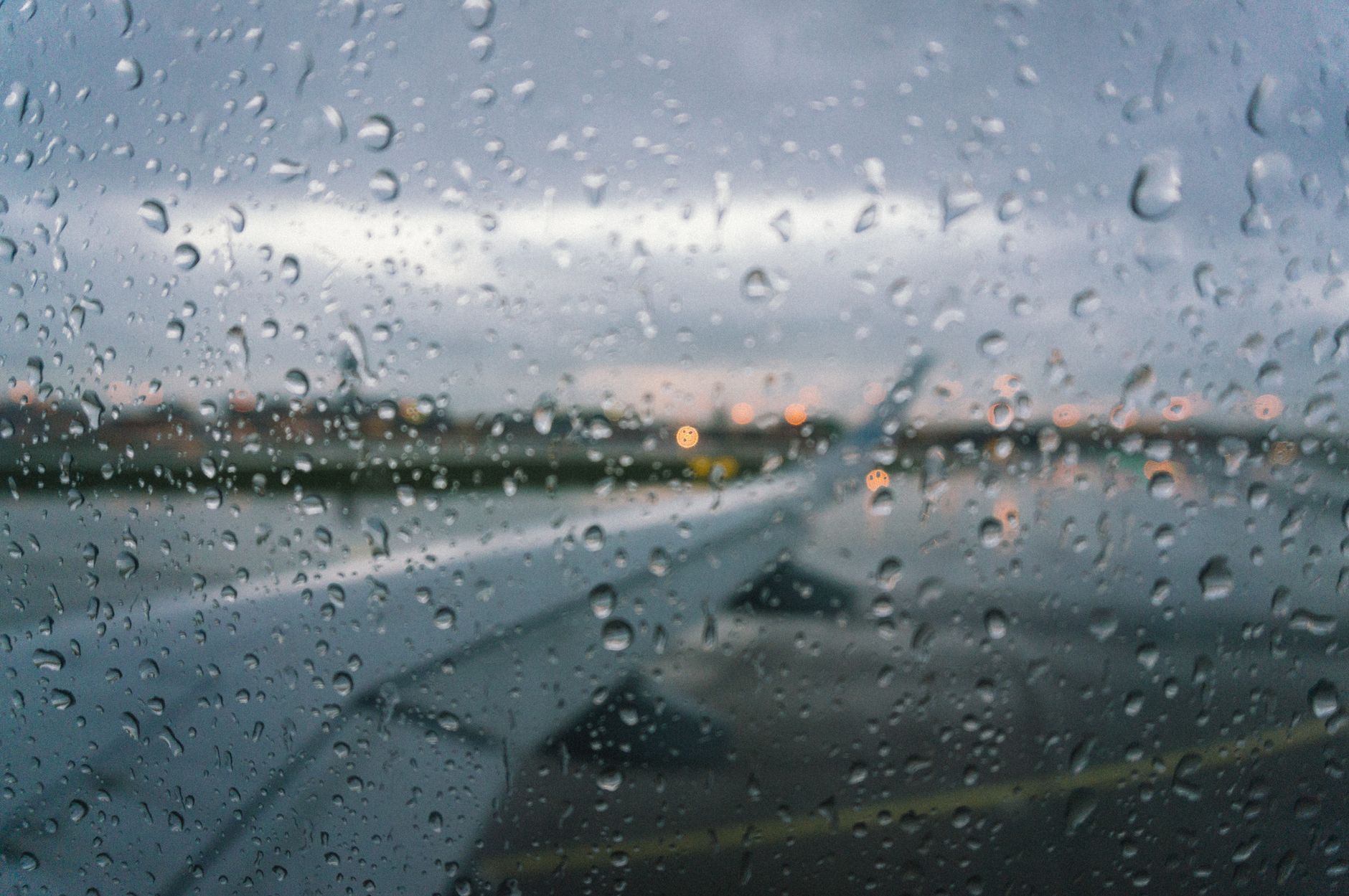
Flying during rainstorms can be a concern for many travelers. Questions arise about safety, delays, and the overall experience when flying in inclement weather. Understanding how planes operate in rain and what measures are taken for safe travel helps demystify air travel and provides travelers with the knowledge to navigate their journeys more confidently.
This article aims to cover various aspects of flying in the rain, including how planes handle adverse weather, what travelers should expect, and tips for making your flight experience smoother, regardless of weather conditions.
Can Planes Fly In The Rain?
Yes, planes can and do fly in the rain. Commercial aircraft are designed to operate safely even in adverse weather conditions, including rain. Pilots and air traffic controllers monitor weather patterns closely to ensure safe takeoffs, landings, and in-flight operations.
However, heavy rain can pose challenges, occasionally leading to delays or cancellations. Flight safety is the top priority, and airlines do not compromise when it comes to adverse conditions. Understanding the systems in place can help alleviate concerns about flying in the rain.
How Aircraft Are Designed for Wet Conditions
Aircraft are built with weather-resistant features that allow them to handle rain effectively. Here are some key elements:
- Wing Design: Aircraft wings are designed to channel rainwater, facilitating smooth air flow.
- Windshield Wipers: Just like cars, commercial planes are equipped with wipers to keep pilots’ visibility clear during rain.
- Anti-Icing Systems: Many planes feature systems that prevent ice and water build-up around critical areas, like the wings and tail.
- Heavy Duty Landing Gear: The landing gear is built to handle wet runway conditions, ensuring safe landings.
Impact of Rain on Flight Operations
While planes can fly in the rain, various factors can influence flight operations:
1. Visibility
Heavy rain can reduce visibility significantly, which may impact the ability to take off and land. Pilots use advanced instruments and technologies to navigate safely when visibility is poor.
2. Runway Conditions
Wet runways can affect landing and takeoff. Airports are equipped with systems to manage water on runways, but heavy rain can lead to slippier surfaces, requiring more caution during landings.
3. Turbulence and Wind
Stormy conditions can lead to turbulence due to shifting winds. Pilots are trained to handle turbulence and will often adjust altitudes to find smoother air.
4. Lightning
While planes are built to withstand lightning strikes, they can cause delays in operations, especially during severe thunderstorms. Airport authorities may temporarily halt ground operations during electrical storms.
5. Delays and Cancellations
Rain can lead to increased delays in the flight schedule, particularly during high-traffic periods. Cancellations may occur if the weather poses significant risks, such as severe thunderstorms.
What to Expect When Flying in Rain
Flying in rainy conditions can feel different from traveling in clear weather. Here’s what to keep in mind:
Preparing for Your Flight
Check the weather forecast before heading to the airport. If rain is expected, arrive early, as there may be delays or increased security screening due to weather conditions.
During Your Flight
Don’t be surprised if you experience some turbulence. The aircraft may shake a little due to variations in air pressure and temperature in rainy weather. Pilots will keep passengers informed about in-flight conditions.
Upon Arrival
Expect possible delays after landing, particularly if the airport is experiencing heavy rain. Staff will keep passengers updated about connecting flights if you are changing planes.
Tips for Travelers on Rainy Days
Traveling during rainy weather doesn’t have to be stressful. Here are practical tips to enhance your travel experience:
- Pack Smart: Bring waterproof bags for electronics and valuables to protect them from potential water exposure.
- Be Flexible: Understand potential delays and be prepared for changes in your itinerary.
- Dress Comfortably: Wear layers and suitable footwear in case you need to navigate wet conditions at the airport.
- Stay Informed: Use airline apps or airport notifications to stay updated on flight status.
- Arrive Early: Allow for extra travel time to the airport, especially if roads may become congested due to rain.
Rain-Related Safety Considerations
While planes are safe to fly in rain, travelers should consider personal safety as well:
1. Ground Transportation
Rain can affect ground transportation security and efficiency. Be cautious on wet roads, whether driving yourself or using rideshare services.
2. Airport Travel
Wear appropriate clothing to keep dry while navigating from your vehicle to the airport. Be prepared for slippery surfaces and take your time to avoid accidents.
3. Personal Health
If flying during cold rain, carry additional layers to ensure you stay warm and dry. Consider bringing medications or items that keep you comfortable during uncertainty.
Understanding Airline Policies During Rainy Weather
Airlines often implement contingency plans during severe weather. Here’s what to expect:
1. Refunds and Rebooking
Airlines generally offer options for refunds or rebooking flights in case of cancellations due to weather. Be sure to familiarize yourself with your airline’s policies before your trip.
2. Customer Service
In situations like heavy rain leading to flight delays or cancellations, customer service lines may become busy. Use online platforms for more efficient communication regarding your travel needs.
Case Study: Airports and Rain Management
Different airports have unique strategies for managing flights during rainy weather. Airports in regions prone to rain, like Seattle-Tacoma International Airport, excel in efficiently dealing with rainy conditions to minimize disruption for travelers.
1. Water Management Systems
Many airports utilize drainage systems to manage water accumulation on runways. These systems help reduce the risk of flooding, ensuring safe landing and takeoff conditions.
2. Weather Monitoring Technology
Advanced weather monitoring tools allow airport operations teams to assess real-time conditions. They can react promptly to intrusions on standard operations, ensuring passenger safety.
Traveling with Family in Rainy Weather
Traveling with kids during rain can add complications. Here are family-specific travel tips:
- Packing Entertainment: Bring games or books to keep children occupied during potential delays.
- Extra Supplies: Don’t forget to pack extra clothing in case kids get wet during transit.
- Snacks and Drinks: Keep snacks and drinks handy for longer waits at the airport.
Maintaining a Positive Travel Mentality
Travel can be stressful, especially when weather complicates plans. Practicing patience and maintaining a positive outlook can help you manage any ups and downs during your journey.
1. Keep Calm
If you experience delays due to rain, take them in stride. Staying relaxed will help you deal with any inconveniences efficiently.
2. Embrace the Experience
Travel is about exploring new places and experiences, even if the weather doesn’t cooperate. Use this as an opportunity to enjoy airport amenities or find cozy spots to unwind.
Conclusion: Embracing the Adventure
Flying in the rain is a common occurrence and considered a normal part of air travel. With aircraft designed to handle wet conditions, pilots trained to navigate various weather, and travelers equipped with the knowledge of what to expect, rain doesn’t have to overshadow your travel plans. Prepare adequately, stay flexible, and maximize your travel experience.
For the next step in your travel journey, consider exploring related destination guides and travel-planning articles. Discover the best places to eat during layovers at the best restaurants in the airport, or check out our recommendations for dining and relaxation at the best restaurants in Atlanta Airport.