
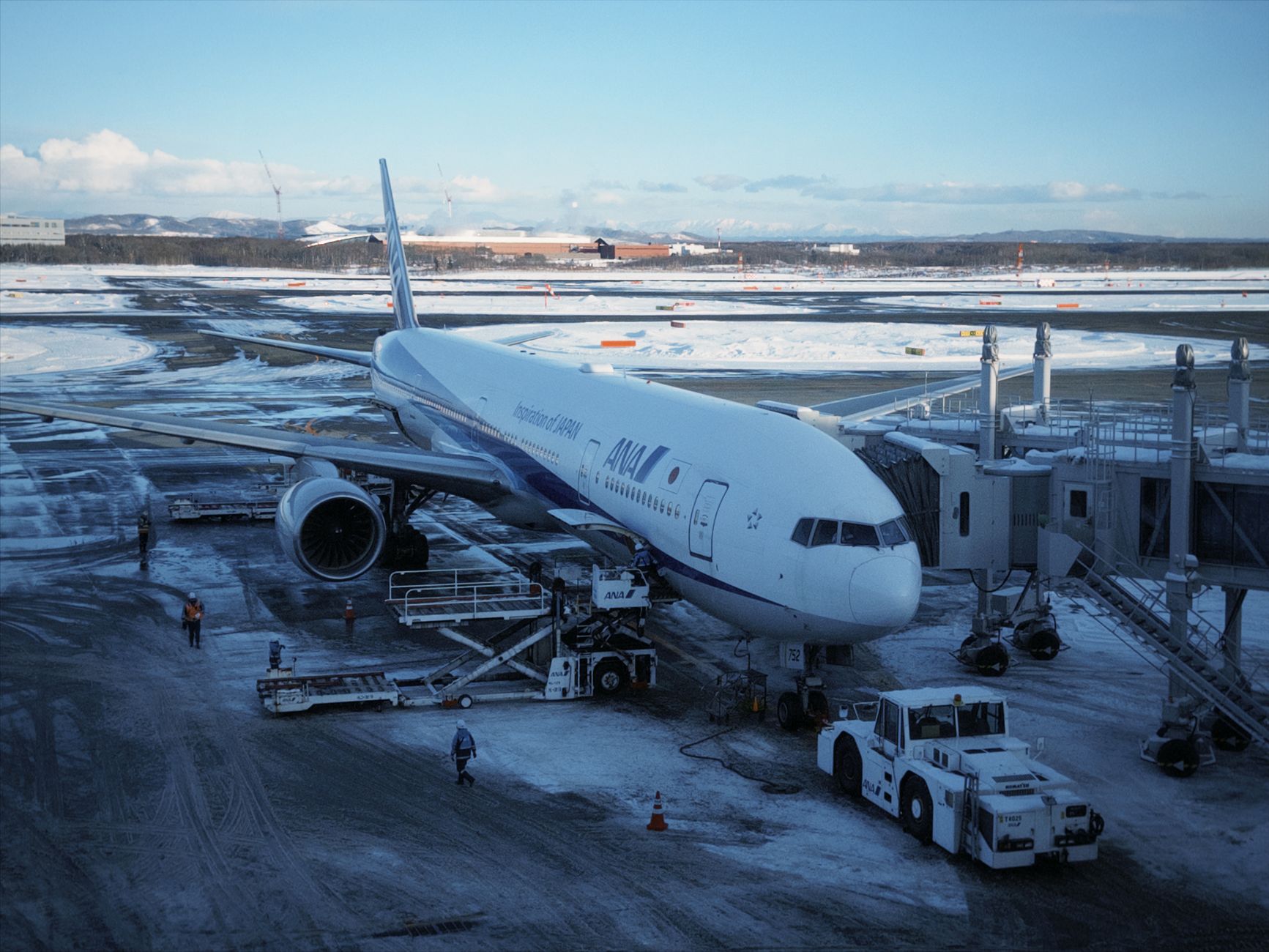
Many travelers wonder whether planes can safely land in snowy conditions. The short answer is yes, but there are several factors to consider. Pilots, airlines, and air traffic control all have strict protocols and procedures in place to ensure safe landings, even in adverse weather.
This article delves into how planes land in snow, the challenges involved, and what travelers should expect when flying during winter weather. Armed with this knowledge, you can better prepare for your winter flights and understand how airlines manage snowy conditions.
Can Planes Land In Snow?
Yes, planes can land in snow, and they are designed to handle such conditions. However, various factors like runway conditions, visibility, and the experience of the flight crew play crucial roles in determining whether a landing is safe. Airlines invest in training and equipment to ensure safety in snowy weather.
Understanding Snow and Its Impact on Flight Operations
Snow affects flight operations in multiple ways, impacting everything from takeoff and landing to taxiing and boarding. Understanding these factors can help you navigate travel during winter months more effectively.
Snow Accumulation on Runways
Airports take significant measures to keep runways clear of snow. Snow removal equipment like plows and de-icing trucks work tirelessly to ensure that runways remain safe for landings and takeoffs. However, the accumulation of snow can present challenges:
- Thinly Layered Snow: It may not significantly hinder landings, provided the runway is cleared before snow accumulation becomes excessive.
- Heavy Snow: This can lead to reduced visibility and increased stopping distances, making it more complicated for pilots to land safely.
- Icy Conditions: Snow that has compacted and turned to ice is particularly dangerous, warranting more caution from pilots and ground crews.
Visibility Challenges
If snow is falling heavily, it can create low visibility conditions that make it difficult for pilots to gauge their approach and landing accurately. This may lead to:
- Possible Diversions: If visibility is too low, the pilot may have to divert to an alternate airport.
- Delay in Landing: Aircraft may hold in a queue for landing until conditions improve.
De-icing Procedures
De-icing is essential for safe aircraft operation in snowy weather. Before takeoff and landing, planes may require de-icing to remove snow and ice that could affect performance. This includes:
- Using heated fluid sprayed on the wings to melt ice and snow.
- Checking for residual ice that can affect control surfaces and engine performance.
The Role of Air Traffic Control (ATC)
Air Traffic Control is critical during snowy conditions to ensure safe operations. They coordinate takeoffs and landings while monitoring runway conditions and visibility updates. This includes:
- Adjusting flight schedules to accommodate snow removal procedures.
- Using radar technology to manage traffic more effectively during limited visibility situations.
Airline Preparation and Protocols
Every airline has its protocols for snow operations. These guidelines cover the following areas:
Flight Crew Training
Pilots and crews receive specialized training to deal with snowy conditions, which includes:
- Simulated environments to practice landing and takeoff in adverse weather.
- Understanding the nuances of aircraft performance in snowy weather while adhering to strict safety protocols.
Aircraft Types and Snow Operation
Different aircraft have varying capabilities when it comes to snow operations. Larger commercial planes are generally designed to handle adverse weather conditions better than smaller regional jets due to:
- Larger wingspans: Enhanced lift in challenging conditions.
- More advanced avionics and technology that help with navigation and landing.
Traveling During Snowy Conditions
Preparing for flights during the winter months can help you navigate potential challenges posed by snow. Here are practical tips for travelers:
Check Flight Status Early
Always check your flight status before heading to the airport. This can help you avoid delays and cancellations. Some airlines provide real-time updates via their apps or websites, which can prove invaluable in snowy conditions.
Allow Extra Time
Snow can slow down airport operations. Be sure to leave for the airport with ample time to navigate traffic and check-in processes. During heavy snow, allow extra time for:
- Parking and security checkpoints, which may take longer.
- Potential rescheduling or gate changes due to operational adjustments.
Pack Wisely
Packing essentials can be crucial when flying during winter:
- Dress in layers, as airports can be cold but planes often have varied temperatures.
- Pack emergency items like snacks, a water bottle, and entertainment in case of delays.
- Ensure that your carry-on bag is easy to manage in snowy conditions.
Delay and Cancellation Policies
Be aware of airline policies regarding delays and cancellations due to inclement weather. While each airline has its terms, common policies include:
Rebooking Options
If your flight is canceled due to snow, airlines typically allow travelers to book alternative flights without hefty fees. This may vary based on the airline and the specific circumstances, so verify the policy directly with your carrier.
Travel Insurance
Investing in travel insurance can provide peace of mind. Many plans cover costs associated with delays, cancellations, or missed connections. Make sure to read the fine print to know what’s covered.
Weather Considerations
Weather forecasts can help you plan your trip effectively. Pay attention to:
Weather Alerts
Monitor local weather forecasts leading up to your travel date. National Weather Service alerts can provide insights into expected snowfall, which can affect your flight schedule.
Seasonal Weather Patterns
Each region has different snowfall patterns. Here’s a brief overview:
- Northern states like Minnesota and Wisconsin see significant snowfall and are well-equipped to handle it.
- Airports in mountainous regions may face unique challenges, as snow can accumulate rapidly.
In-Flight Considerations
Understanding in-flight protocols during snowy conditions can help alleviate any worries you might have while flying. Here are a few things to expect:
Cabin Comfort
The cabin crew will do their best to maintain a comfortable environment despite fluctuating temperatures and pressure settings during takeoff and landing in snowy weather.
Communications from Crew
Expect your flight crew to provide updates about weather conditions, landing approaches, and any expected turbulence due to weather. This helps keep passengers informed about what to expect during the flight.
Adequate Response Mechanisms
Airlines employ numerous measures to respond to weather-related challenges quickly:
Ground Support Staff
Airports deploy ground support teams equipped with the necessary tools for snow removal, including:
- Plows that clear runways and taxiways.
- De-icing vehicles that ensure aircraft are ready for takeoff.
Fuel and Weight Considerations
Airlines may adjust fuel loads based on weather conditions. Fuel weight can affect runway performance directly. Airlines coordinate with pilots to ensure optimal fuel loads considering potential reroute scenarios.
Conclusion
Snowy weather certainly adds complexity to air travel, but robust systems and protocols are in place to ensure safe operations. By understanding how encounters with snow impact your flight, you can make informed decisions and stay ahead of potential delays or cancellations. So, the next time you find yourself flying in winter weather, remember it’s an operation well-managed by trained professionals—all you need to do is sit back and enjoy.
If you’re interested in travel during winter, explore more topics such as the best restaurants in Denver Airport or the best restaurants in Atlanta Airport for excellent dining options while you travel.