
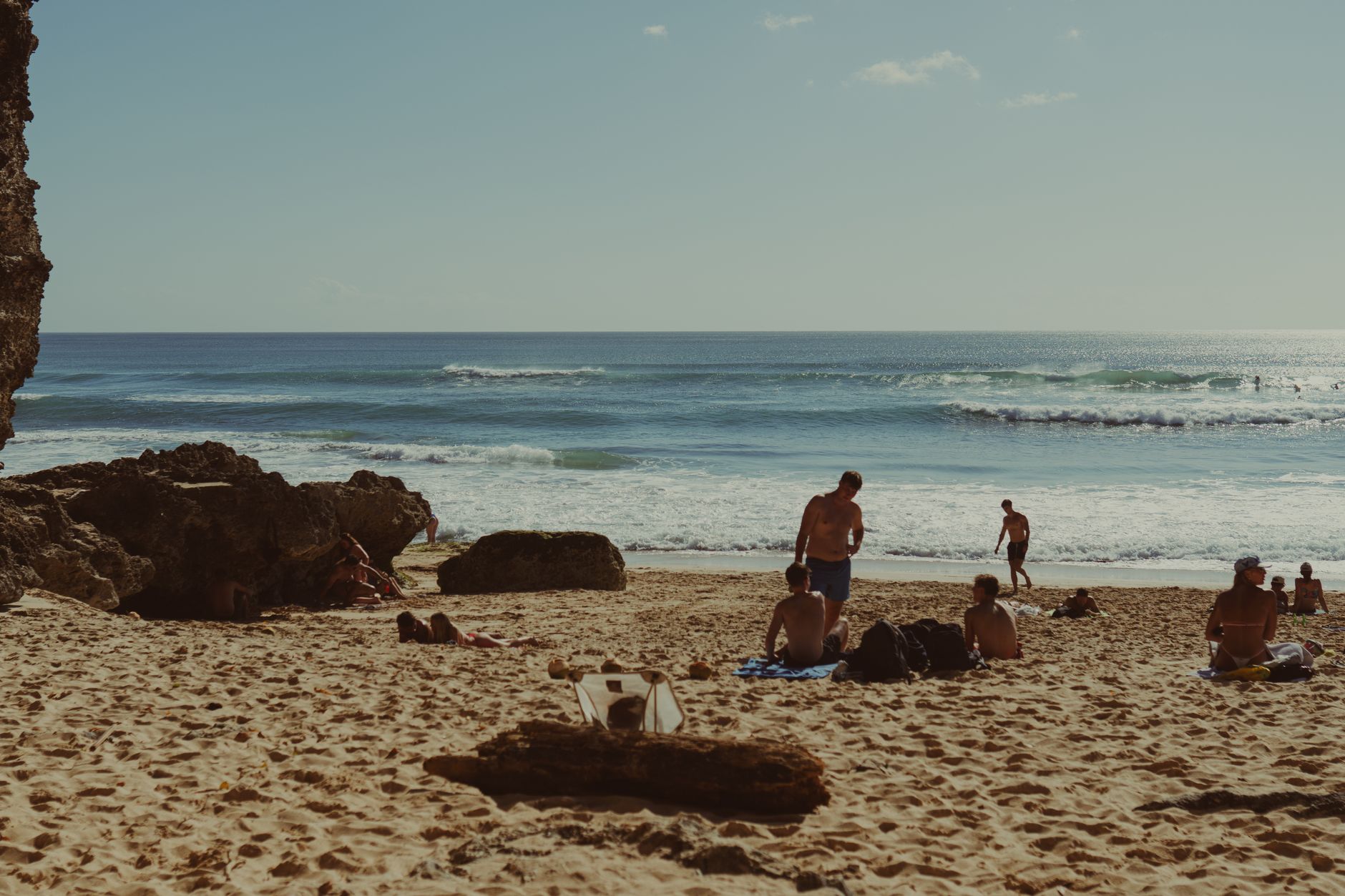
Planning a trip to South Korea? This guide titled “Can So” will provide you with all the essential information you need to navigate this dynamic travel destination. Whether exploring bustling cities, savoring delicious street food, or experiencing rich cultural traditions, South Korea offers something for every traveler.
From the vibrant streets of Seoul to the picturesque landscapes of Jeju Island, understanding the logistics of your travel will enhance your experience. We cover key aspects including the best areas to visit, how to get around, where to stay, and budget considerations to help you plan an effortless trip.
What Makes South Korea Worth Visiting?
South Korea is a land of contrasts, where ancient traditions coexist with cutting-edge technology. It suits a variety of travelers, whether you are a history buff seeking ancient palaces, a foodie looking to indulge in tantalizing culinary delights, or an adventure seeker wanting to hike its stunning mountains.
The country’s rich history is showcased in its numerous UNESCO World Heritage sites, while its cities are electrifying, full of life and energy. The warmth and hospitality of its people provide a welcoming atmosphere that draws visitors back time and again. South Korea also emphasizes strong social bonds, making it a wonderful destination for families and solo travelers alike.
Best Areas to Visit
Each region offers its unique charm and attractions. Below is an overview of must-explore areas:
- Seoul: The capital city brimming with history, modern architecture, street markets, and cultural experiences.
- Busan: Renowned for its beautiful beaches, seafood, and the famous Jagalchi Fish Market.
- Jeju Island: A volcanic paradise with stunning natural landscapes, hiking trails, and tranquil beaches.
- Gyeongju: Often dubbed “the museum without walls” for its historical sites, including ancient tombs and temples.
Top Attractions and Experiences
South Korea is home to an abundance of attractions catering to diverse interests. Consider the following highlights:
Seoul
- Gyeongbokgung Palace: The largest of Seoul’s five grand palaces showcasing traditional architecture and beautiful gardens.
- Bukchon Hanok Village: A preserved area with traditional Korean houses, perfect for cultural immersion.
- Myeongdong Shopping Street: A vibrant shopping district offering a mix of local street food, cosmetics, and fashion.
- N Seoul Tower: For panoramic views of the city, take the cable car up to the tower.
Busan
- Haeundae Beach: One of Korea’s most famous beaches, ideal for sunbathing, swimming, and beachside cafes.
- Gamcheon Culture Village: A colorful, artistic neighborhood filled with murals, cafes, and shops.
- Beomeosa Temple: A serene temple with beautiful architecture, perfect for mindfulness and tranquility.
Jeju Island
- Hallasan National Park: Home to the highest mountain in South Korea, offering thrilling hiking trails.
- Seongsan Ilchulbong: A UNESCO World Heritage site and stunning volcanic crater famous for sunrise views.
Gyeongju
- Bulguksa Temple: A beautiful example of ancient Korean architecture and a UNESCO World Heritage site.
- Seokguram Grotto: Known for its stunning stone Buddha statue and tranquil surroundings.
Getting There and Getting Around
Flying is the most common way to enter South Korea, with major international airports in Seoul (Incheon International Airport) and Busan (Gimhae International Airport). Once you arrive, there are several transportation options to get around:
Public Transportation
- Subway: Seoul has an extensive subway system that is efficient and easy to navigate. Consider getting a T-money card, which can be used for subway and bus fares.
- Buses: Public buses connect you to areas not covered by the subway. They can be a bit tricky for non-Korean speakers, so using a translation app is beneficial.
- High-speed trains: For traveling between cities, the KTX trains are a comfortable and fast option.
Taxi and Ride-Sharing
Taxis are readily available, and while they are generally affordable, it is advisable to ensure the driver uses the meter. Apps like Kakao T make it easy to order a taxi easily, even in English.
Where to Stay
South Korea offers diverse accommodation options ranging from luxury hotels to budget hostels. Here’s a breakdown by area:
Seoul
- Popular areas: Myeongdong for shopping; Itaewon for nightlife; Hongdae for a youthful vibe with cafes and entertainment.
- Luxury: The Four Seasons Hotel Seoul, Park Hyatt Seoul.
- Mid-range: Lotte Hotel Seoul, Hotel Skypark Myeongdong.
- Budget: Kimchee Guesthouse, Hostel B.
Busan
- Popular areas: Haeundae Beach for beach lovers; Nampo-dong for street food enthusiasts.
- Luxury: Park Hyatt Busan, The Westin Josun Busan.
- Mid-range: Haeundae Centum Hotel, Centum Premier Hotel.
- Budget: Busan Backpackers, Root House.
Jeju Island
- Popular areas: Jeju City for urban attractions; Seogwipo for scenic coastal experiences.
- Luxury: Shilla Jeju, Lotte Hotel Jeju.
- Mid-range: Jeju Sun Hotel, Ocean Palace Hotel.
- Budget: Jeju Preferred Hotel, Jeju Kokio.
When to Visit South Korea
South Korea experiences four distinct seasons, each offering a unique experience. Here’s a general guideline:
- Spring (April to June): Known for cherry blossoms and pleasant weather; ideal for sightseers and outdoor activities.
- Summer (July to August): Hot and humid, some may prefer to avoid this season, but festivals are plentiful.
- Fall (September to November): Stunning autumn foliage and mild temperatures; a recommended time for travelers.
- Winter (December to February): Cold with potential snow; perfect for winter sports aficionados in regions like Pyeongchang.
Suggested Length of Stay
A week in South Korea allows for a fulfilling experience. Consider the following itinerary:
- Days 1-3: Explore Seoul, focusing on cultural sites, street food, and shopping.
- Days 4-5: Visit Busan, soaking in the beach atmosphere and local cuisine.
- Day 6: Explore Gyeongju, immersing yourself in history.
- Day 7: Relax on Jeju Island, taking in its natural beauty.
Budget Considerations
Like any travel destination, budgeting in South Korea can vary significantly based on your travel style. Here’s an overview:
Accommodation Costs
- Luxury hotels: Around 200,000 KRW per night and up.
- Mid-range hotels: Approximately 100,000 to 200,000 KRW per night.
- Budget options: Hostels and guesthouses can start from 20,000 KRW.
Food Costs
- Street food: Typically between 2,000 to 5,000 KRW per dish.
- Casual dining: Mid-range restaurants may charge around 10,000 to 20,000 KRW per meal.
- Fine dining: Can range from 30,000 KRW and beyond.
Transportation Costs
- Subway fare: Generally between 1,250 to 2,000 KRW for a ride.
- KTX train tickets: From 50,000 KRW to 80,000 KRW depending on the distance.
- Taxis: Starting around 3,000 KRW for the first 2 km, with additional charges per kilometer.
Practical Planning Tips
For a smoother travel experience, consider the following practical tips:
- Purchase a SIM card or portable Wi-Fi device upon arrival for easy internet access.
- Download translation apps for easier communication, especially if you don’t speak Korean.
- Be aware of cultural etiquette such as removing shoes before entering someone’s home.
Safety and Accessibility Considerations
South Korea is generally safe to travel, with low crime rates. However, it’s advisable to take basic precautions, such as:
- Keep your belongings secure in crowded areas.
- Always check current travel advisories before embarking on your journey.
Final Thoughts
South Korea offers a rich tapestry of culture, flavor, and natural beauty, making it a compelling travel destination. Whether you’re touring its historical sites or diving into its culinary adventures, the memories you create will last a lifetime.
To start planning your adventure, check out resources for enrich your experience. Explore the best restaurants in Rhode Island to inhale the culinary experiences or learn about more dining options by reviewing our guide on the best restaurants in Rhode Island.