
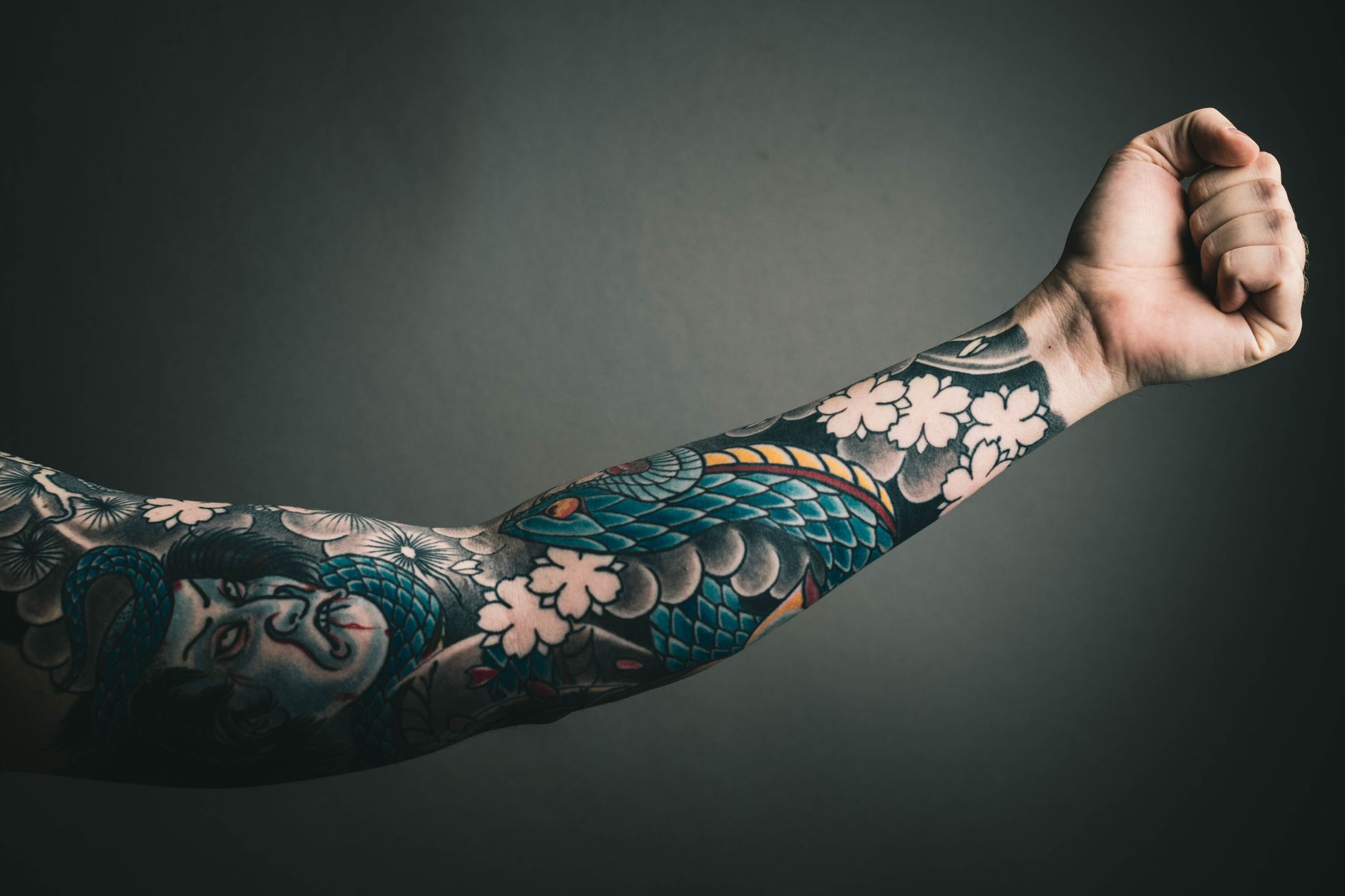
Tattoos in Japan carry a complex cultural significance that can sometimes be confusing for travelers. While many countries embrace body art, Japan’s historical associations with tattoos can lead to restrictions, especially in public spaces. Understanding the local attitudes and regulations regarding tattoos will ensure a smoother journey through this fascinating country.
This article explores everything you need to know about having tattoos in Japan, including cultural attitudes, public perceptions, legal considerations, and practical tips to navigate your travel experience smoothly.
Can You Have Tattoos In Japan?
Yes, you can have tattoos in Japan, but local attitudes vary significantly. While younger generations and urban areas tend to be more accepting, traditional views still prevail in many regions, especially concerning public spaces like onsen (hot springs) and ryokan (inns).
Cultural Attitudes Towards Tattoos
Tattoos in Japan are often associated with the yakuza, the Japanese organized crime syndicate. This connection stems from historical practices where tattoos were used as a form of punishment or as a symbol of criminal affiliation. While modern perspectives are shifting, particularly among younger individuals, older generations may still harbor negative views towards tattoos.
In recent years, there has been a notable increase in acceptance, particularly in urban areas like Tokyo and Osaka. Many establishments cater to tattooed individuals, and some even promote the acceptance of tattoos as an art form.
Legal Considerations Regarding Tattoos
Legally, there are no restrictions on having tattoos in Japan, but the tattoo industry operates under complex regulations. Tattooing is not formally recognized as a legitimate profession without a medical license, which has led to some underground practices. This does not affect individuals with existing tattoos but is essential for travelers considering getting tattooed while in Japan.
Public Spaces and Reactions
When it comes to public spaces, attitudes can vary widely. Travelers with tattoos should be aware of the following considerations:
- Onsen and Ryokan: Many traditional hot springs and inns prohibit tattoos entirely due to cultural associations. Some establishments offer tattoo covers or allow inked guests during certain times.
- Beaches: Beaches in coastal areas generally show more tolerance towards tattoos, especially in tourist-heavy locations.
- Public Pools: Similar to onsen, most public swimming facilities may have strict rules against tattoos.
- Restaurants and Cafes: Acceptance levels differ; while trendy areas like Shibuya might be more accepting, more traditional establishments may still frown on visible tattoos.
Tips for Traveling with Tattoos in Japan
To help you navigate Japan with tattoos, here are some essential tips:
Research Your Destinations
Before planning your trip, research the areas you intend to visit. Major urban centers may be more welcoming than rural areas. Consider looking for specific accommodations and facilities that are tattoo-friendly.
Cover Up When Necessary
It’s wise to have clothing options that can cover your tattoos if you’re visiting traditional places. Light layers can be practical, as they can be easily removed or adjusted depending on the situation.
Choose Tattoo-Friendly Locations
Look for tattoo-friendly onsen and accommodations. Increasingly, resorts and hotels are advertising their openness towards tattooed guests. Some even cater specifically to travelers with tattoos.
Awareness of Local Customs
Understanding and respecting local customs is pivotal. Learning basic Japanese phrases can be helpful and can show respect towards cultural norms.
Be Prepared for Questions
Be ready for questions about your tattoos, as locals may express curiosity. Engaging in friendly conversation might lead to a positive interaction.
Getting Tattooed in Japan
If you’re considering getting a tattoo while in Japan, it’s best to do thorough research. The tattoo culture in Japan is unique, with traditional styles like irezumi being recognized. Here are some insights:
Finding a Tattoo Artist
Seek reputable artists who specialize in the style you desire. Many tattooists are active on social media, where you can view their portfolios and even book appointments.
Understanding Styles
Japanese tattoos can be quite intricate. If you’re interested in traditional styles, consider looking for artists who specialize in irezumi. Expect to spend a significant amount of time discussing your design, as cultural significance plays a vital role in this art.
Legal Cleanliness
All tattoo studios should adhere to strict hygiene practices. If an artist does not have medical certification, ensure the studio maintains high cleanliness standards to avoid health risks.
Aftercare Considerations
Understand the aftercare requirements for your new tattoo. Hot springs and public baths may not be suitable during the healing process, so plan accordingly.
Local Alternatives to Enjoy Japanese Culture
If you’re concerned about the tattoo stigma but still want to enjoy traditional experiences, you can consider alternatives:
Private Onsen Rentals
Look into private onsen options, which can provide a more personal and less judgmental atmosphere for those with tattoos.
Modern Bathhouses
Some modern bathhouses are embracing a new culture of acceptance regarding tattoos. Research and opt for places that specifically cater to tattooed guests.
Cultural Experiences
Participate in cultural experiences that focus on art, such as visiting galleries or attending workshops. They may offer a friendlier atmosphere for tattooed visitors.
When to Visit Japan
The best time to visit Japan varies by what you want to experience. General recommendations include:
- Spring (March to May): Famous for cherry blossoms, stunning landscapes, and pleasant weather.
- Summer (June to August): Offers festivals and cultural events, but heat and humidity can be intense.
- Fall (September to November): Beautiful autumn foliage and a temperate climate attract many travelers.
- Winter (December to February): Ideal for experiencing winter sports and traditional Japanese New Year celebrations.
Realistic Length of Stay
When planning your trip, consider a minimum stay of seven to ten days. This timeframe allows you to explore major cities, cultural experiences, and even some regional areas while enjoying a less rushed experience.
Budget Considerations
Japan is known to be an expensive travel destination, but budgeting effectively can enhance your experience:
- Accommodations: Prices can range widely based on location and type. Traditional ryokan can be costly, while hostels and business hotels offer lower rates.
- Food: Dining can be affordable, with options from convenience-store meals to local eateries. Street food is a budget-friendly way to sample local flavors.
- Transportation: Consider purchasing a Japan Rail Pass if traveling between cities, as it can save you considerable money on transportation.
- Activities: Many attractions have entrance fees, so budgeting for museums and cultural experiences is wise.
Accessibility in Japan
Japan is known for its extensive public transport system, which is generally accessible. However, some older stations may lack elevators or escalators. Traveling with tattoos does not typically pose accessibility issues, but always research specific places you plan to visit for tattoo policies.
Traveling with Children
Traveling to Japan with children who have tattoos requires similar considerations. Ensure that children understand when it’s appropriate to cover their tattoos. Be sure to visit child-friendly attractions that accommodate various lifestyles without stigma.
Travel Safety Tips
Lastly, while Japan is considered a very safe country for travelers, it’s essential to keep a few safety tips in mind:
- Respect Local Customs: Always show respect for local traditions, especially regarding tattoos and attire.
- Be Aware of Your Surroundings: Like any travel destination, stay aware of your surroundings and avoid overly crowded situations when possible.
- Health Precautions: Make sure to maintain hygiene, especially when caring for a new tattoo.
In essence, having tattoos in Japan is not an outright prohibition but does come with cultural considerations. Engaging with the local culture respectfully and being aware of restrictions will allow for a more enjoyable experience.
Before you travel, be sure to dive into related destination guides and travel-planning articles for more tips and insights. Check out the best restaurants in Tokyo and more on our website to enrich your travel experience!