
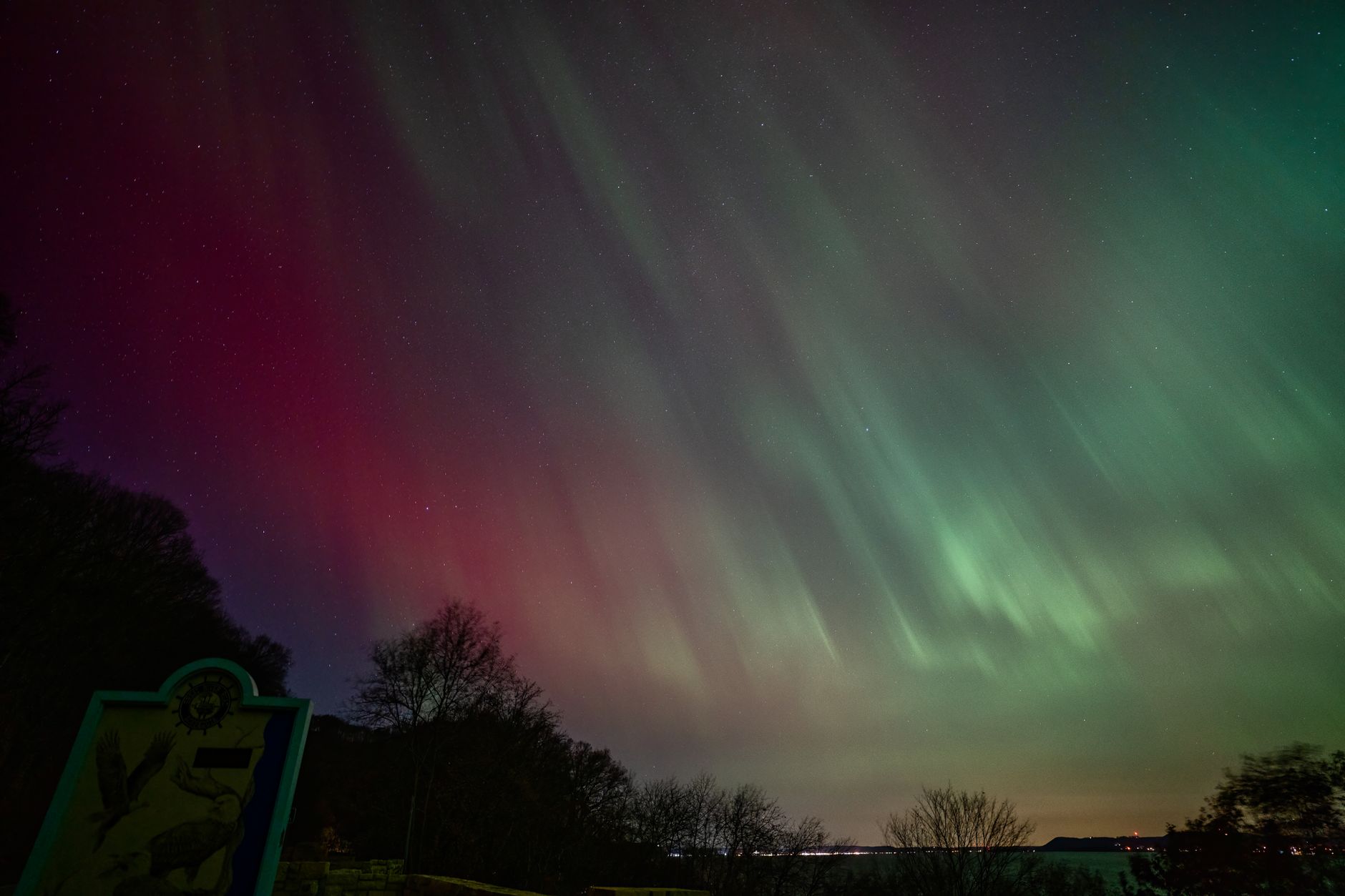
Reykjavik, the capital of Iceland, is not only known for its vibrant culture and unique architecture but also as a prime location for witnessing the spectacular Northern Lights. Many travelers flock to this northern city each winter in hopes of experiencing the ethereal natural phenomenon.
The chance to see the Northern Lights in Reykjavik attracts a range of visitors, from families and couples to solo adventurers. Understanding the best times to visit, optimal viewing spots, and practical tips can help you make the most of your Icelandic adventure.
Can You See The Northern Lights In Reykjavik?
Yes, you can see the Northern Lights in Reykjavik, especially during the winter months from late September to mid-April, when the nights are long and dark. Local weather conditions and light pollution also play significant roles in visibility.
To maximize your chances of seeing this dazzling display of colors, it’s essential to understand when and where to look, along with potential tours available for an unforgettable Northern Lights experience.
Understanding the Northern Lights
The Northern Lights, or Aurora Borealis, occur when charged particles from the sun collide with the Earth’s magnetic field. This natural phenomenon manifests as vibrant ribbons of green, red, yellow, and purple lights dancing across the night sky. The colors and patterns depend on the type of gas involved and the altitude at which these interactions occur.
Iceland is ideally positioned under the Auroral Oval, which enhances your likelihood of witnessing this stunning display, especially in dark areas far from city lights.
When Is the Best Time to See the Northern Lights?
The best time to view the Northern Lights in Reykjavik is from late September to early April. The peak season typically runs from December to February when the nights are longest. It’s also worth noting that solar activity influences the intensity of the lights, so monitoring solar forecasts can help increase your chances.
Keep in mind that clear skies are essential for visibility. Background light pollution from the city can also hinder your view. For this reason, many visitors choose to venture outside the capital for optimal sightings.
Weather Considerations
Iceland’s weather can be unpredictable, with frequent changes and varying temperatures. Be prepared for chilly nights, especially when waiting outside to catch a glimpse of the Northern Lights.
The average temperature during peak months can range from -3°C to 5°C (27°F to 41°F), so pack appropriately with layers, hats, gloves, and warm, waterproof outerwear.
Optimal Viewing Spots in Reykjavik
While you can see the Northern Lights within Reykjavik, heading to darker areas will enhance your experience. Here are some recommended spots for viewing the Aurora Borealis in and around the city:
- Perlan: Located on a hill, Perlan offers an elevated view of the city and the surrounding landscape, making it a great location for an unobstructed view.
- Öskjuhlíð Hill: Close to Reykjavik, this wooded area reduces light pollution, providing a scenic spot to catch the Northern Lights.
- Háfallatjörn (Tjörnin Lake): The tranquil waters of Tjörnin Lake offer a beautiful reflective surface for the lights during their peak intensity.
- Grótta Lighthouse: Positioned on the outskirts, Grótta offers stunning ocean views with minimal light interference, ideal for a serene Northern Lights viewing experience.
Guided Tours for Northern Lights Viewing
If you’d prefer a guided experience, numerous tour operators in Reykjavik offer excursions focused on viewing the Northern Lights. Some tours include:
- Bus Tours: These tours take you to various locations optimized for visibility, often with transport insurance for the ride back if the lights aren’t visible on your night out.
- Minibus Tours: Smaller groups can enjoy a more personalized experience, allowing for flexibility in choosing the best spots based on real-time weather and solar activity.
- Boat Tours: Experience the Northern Lights from the sea, where city lights will be minimal. This option offers a unique perspective of the phenomenon against the backdrop of the surrounding landscapes.
Booking these tours in advance is recommended, especially during the peak season, as they tend to fill up quickly.
Things to Do in Reykjavik While You Wait for the Lights
Visiting Reykjavik provides numerous activities that can keep you entertained, especially on nights when the Northern Lights may not be visible. Consider these options:
- Visit Hallgrímskirkja: This iconic church is a symbol of Reykjavik and provides fantastic views of the city from its tower.
- Explore Harpa Concert Hall: This modern architectural gem often hosts concerts and events, making for a perfect evening outing.
- Sample Icelandic Cuisine: Try traditional dishes at local restaurants, including fresh seafood, lamb, and unique desserts like skyr.
- Visit the National Museum: Learn about Iceland’s rich history and culture through various exhibitions, offering insights into the country’s heritage.
Accommodation in Reykjavik
Reykjavik offers a variety of accommodation options suitable for any budget, ranging from luxury hotels to cozy guesthouses. Here’s a breakdown of areas to consider:
Downtown Reykjavik
This area is vibrant, with numerous bars, restaurants, and cultural attractions. Staying in downtown offers the convenience of walking distance to sightseeing hotspots.
Reykjavik’s Outskirts
Consider accommodations a little outside the city for quieter evenings and closer proximity to nature. Many hotels and guesthouses have Northern Lights viewing packages or alerts for their guests.
Budget Options
If you’re traveling on a budget, hostels and guesthouses abound throughout Reykjavik. Many offer shared kitchen facilities, allowing you to save on dining costs while meeting fellow travelers.
Budgeting for Your Trip to Reykjavik
Traveling to Reykjavik can vary in cost depending on the time of year, activities, and your accommodation choices. Here’s a general breakdown of potential expenses:
Accommodation
Expect to pay anywhere from 3,000 ISK to 25,000 ISK (approximately $22 to $180) per night depending on the type of lodging. Book early to secure the best rates.
Meals
Dining in Reykjavik can also range widely. A budget meal at a café might cost around 2,000 ISK (about $15), while a nicer restaurant could set you back by 6,000 to 10,000 ISK ($45 to $75).
Transportation
Public transportation within Reykjavik is affordable, with bus fares starting at approximately 490 ISK ($3.50). If you’re planning on touring the countryside, consider renting a car, though rates can vary based on the season.
Tour Costs
Northern Lights tour prices can range from 8,000 ISK to 15,000 ISK ($60 to $110) per person, depending on the type of tour and duration.
Travel Tips for First-Time Visitors
For those planning their first adventure to Reykjavik with the hope of catching the Northern Lights, here are some practical tips:
- Check the Aurora Forecast: Websites and apps provide real-time updates on solar activity and weather conditions, which can significantly influence your viewing opportunities.
- Dress Warmly: Prepare for cold weather with layered clothing, thermal gloves, a hat, and insulated footwear. Staying warm is essential for a comfortable experience.
- Stay Flexible: Plan multiple nights for potential viewing opportunities. If the weather is poor on one night, a second chance may lead to success.
- Bring a Camera: If you want to capture the Northern Lights, bring a tripod and familiarize yourself with your camera settings.
Accessibility Considerations
Reykjavik is generally accessible for travelers with mobility issues. Many attractions feature wheelchair access, but it is advisable to check individual establishments beforehand. Regarding tours, several operators offer accessible options, but confirm in advance for specific needs.
In winter, snow and ice can make some areas challenging, so be sure to monitor conditions and choose safe paths.
Conclusion
Reykjavik is a fantastic base for anyone hoping to experience the Northern Lights. With peak viewing months, various activities, and numerous accommodation options, planning a trip can be an exciting venture. Remember to stay flexible and check the weather, as the Northern Lights can be a fickle yet rewarding natural wonder.
For more travel inspiration and tips, explore related guides, including how to see the Northern Lights in Ireland and the best times to visit Iceland in July.