
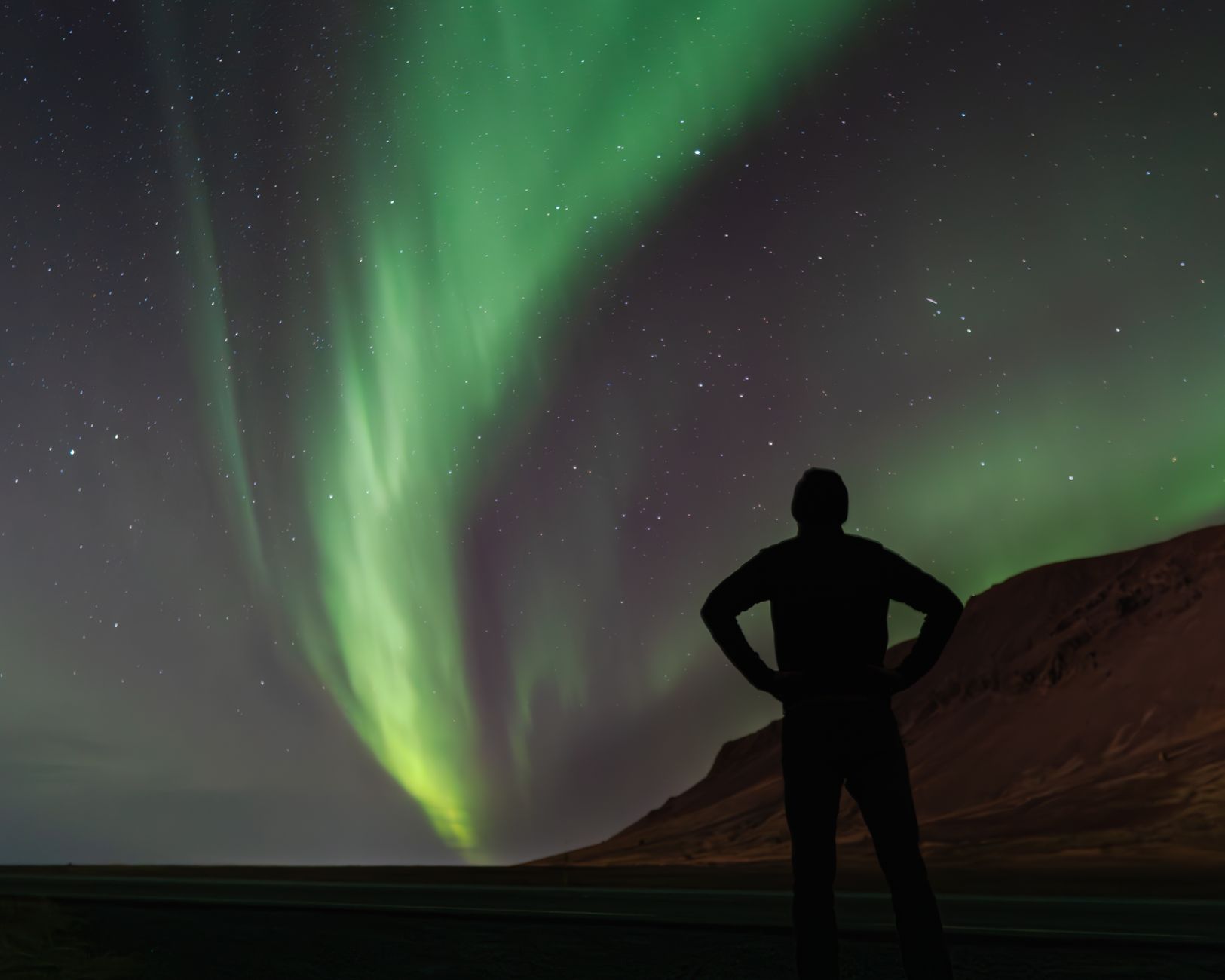
The Northern Lights, or Aurora Borealis, have intrigued travelers and nature lovers alike for generations. While many imagine witnessing this captivating phenomenon in remote locations, Wisconsin offers plenty of opportunities to see the lights without venturing too far from civilization. With its expansive skies and relatively low light pollution, the state can be a promising place for aurora spotting.
In this guide, you will learn when and where to see the Northern Lights in Wisconsin, how to plan your visit, and tips for capturing the perfect photograph if you’re fortunate enough to catch a glimpse of this celestial show.
Can You See The Northern Lights In Wisconsin?
Yes, you can see the Northern Lights in Wisconsin, particularly in the northern regions of the state. Although sightings are more common in places with minimal light pollution, the right conditions can make Aurora Borealis visible across various locations.
Best Time to View the Northern Lights in Wisconsin
The Aurora Borealis can be viewed year-round, but the most prominent sightings typically occur during the winter months. Factors that contribute to optimal viewing include solar activity, time of year, and weather conditions. Here are some important timing considerations:
- Season: December to March is generally the best period due to longer nights and clearer skies.
- Solar Activity: Check the solar cycle, as this impacts the intensity of the Northern Lights. Websites like NOAA’s Space Weather Prediction Center can provide relevant forecasts.
- Weather Conditions: Look for cloudless nights; even a small cloud cover can obstruct your view of the lights.
Best Locations for Aurora Viewing in Wisconsin
Wisconsin is home to several fantastic locations for viewing the Northern Lights. Here are notable spots that minimize light pollution and maximize your chances of seeing the auroras:
1. Bayfield
Located on the shores of Lake Superior, Bayfield offers breathtaking views with minimal light interference. The Apostle Islands National Lakeshore nearby is also an excellent vantage point.
2. Copper Falls State Park
This park features rugged terrain and waterfalls, providing a stunning backdrop for your Northern Lights experience. Head to the park’s main overlook for the best views.
3. Penokee Range
Farther west, this region showcases more remote areas perfect for aurora viewing. The striking heights of the Penokee Range against a clear sky can create a magnificent spectacle.
4. Door County
Known for its charming towns and coastline, Door County has several spots with low light pollution. Areas like Whitefish Dunes State Park or the Tip of the Door Peninsula are ideal for lighting-viewing.
5. Kettle Moraine State Forest
This forest area offers numerous trails, picnic spots, and scenic overlooks that are relatively dark, perfect for laying back and watching the auroras dance across the sky.
How to Plan Your Aurora Viewing Trip
Planning ahead is key to maximizing your chances of seeing the Northern Lights in Wisconsin. Here’s a practical guide to help you set up your trip:
1. Research and Stay Informed
Monitor aurora forecasts from reliable sources to ensure you pick the right days to head out. Websites and apps that offer real-time alerts on aurora activity can be invaluable.
2. Choose Your Adventure Style
Decide whether you want a solo adventure, a couple’s retreat, or a family trip. The chosen experience will help determine accommodation needs and the activities you may want to include.
3. Consider Transportation
Driving is often the most convenient way to access remote viewing spots. Make sure you have a reliable vehicle equipped for winter driving conditions, especially if you are exploring in the snowy season.
4. Book Accommodations in Advance
When visiting popular areas, accommodations can fill up quickly during peak seasons. Consider booking lodgings in places like Bayfield or Sturgeon Bay, close to your chosen viewing locations.
What to Bring for Your Northern Lights Adventure
Catching the Aurora Borealis requires preparation, especially considering Wisconsin’s winter temperatures and outdoor conditions. Here’s a checklist of items you’d want to bring:
- Warm Clothing: Layered clothing, including thermal underwear, insulated jackets, hats, gloves, and warm boots.
- Camera Equipment: A DSLR or mirrorless camera, tripod, and wide-angle lens to capture the lights.
- Snacks and Drinks: Bring some hot beverages in a thermos and snacks to stay energized during your wait.
- Blankets or Sleeping Bags: To stay warm and comfortable while sitting outside.
- Flashlight: A quality flashlight or headlamp with a red lens to minimize night vision disruption.
Capturing the Northern Lights on Camera
Photographing the Northern Lights can be challenging but rewarding. Here are some tips for capturing stunning images of this natural wonder:
- Use Manual Mode: Adjust your camera settings manually to control exposure, aperture, and focus.
- Aperture: Use a wide aperture (f/2.8 or lower) to allow more light in.
- Shutter Speed: Set your shutter speed between 5 and 30 seconds depending on the brightness of the lights.
- ISO Settings: Start with an ISO setting of 800 to 1600, but be aware that higher settings can introduce noise.
- Focus: Manually focus your lens on the horizon or a distant light source.
Affordable Solutions and Budget Considerations
Viewing the Northern Lights in Wisconsin doesn’t have to break the bank. Here are some tips to plan an affordable trip:
1. Travel During Off-Peak Times
Visiting during weekdays or outside holiday seasons can help you save on accommodations and travel costs.
2. Camping Options
If you’re adventurous, consider snow camping in state parks, which can provide budget-friendly lodging options.
3. Meal Planning
Eat at local restaurants or pack meals to avoid high dining costs in tourist hotspots.
Accessibility and Safety Considerations
When planning your trip, consider the following accessibility and safety tips:
1. Accessibility
Many parks and viewing spots in Wisconsin are accessible. However, some rural areas may require driving on unpaved roads that can be tricky in winter. Ensure your vehicle is prepared for the conditions.
2. Safety Precautions
Always let someone know your plans, especially if heading to remote areas. Stay updated on weather conditions and ensure your phone is charged, as reception may be limited in rural locations.
Itinerary Recommendations for a Northern Lights Adventure
If you are planning a dedicated trip to view the Northern Lights, consider this sample itinerary:
Day 1: Arrival and Initial Exploration
- Arrive in Bayfield and check in to your accommodation.
- Explore local shops and restaurants; consider trying some regional dishes.
- Preview potential viewing locations such as the beach or nearby state parks.
Day 2: Aurora Borealis Viewing
- Make a day trip to Copper Falls State Park; hike and take pictures of the park’s scenery.
- Pack a dinner to enjoy before your night-time viewing session.
- Head out to your chosen viewing spot around 9 PM, set up your camera, and keep an eye on the skies!
Day 3: Chill and Day Hike
- Sleep in and have breakfast; consider visiting the Apostle Islands.
- Spend the day hiking or exploring the local history.
- Prepare for another night of aurora spotting; check the forecasts shorty before heading out.
Conclusion
Seeing the Northern Lights in Wisconsin can be a magical experience, blending the beauty of nature with a sense of adventure. With careful planning, the right timing, and suitable locations, you can find yourself under a stunning night sky filled with dancing colors. Be sure to prepare adequately and keep an eye on local forecasts. Happy aurora hunting!
Interested in more travel tips? Explore our guides on the best restaurants in Door County and the best restaurants in Michigan for your next adventure!