
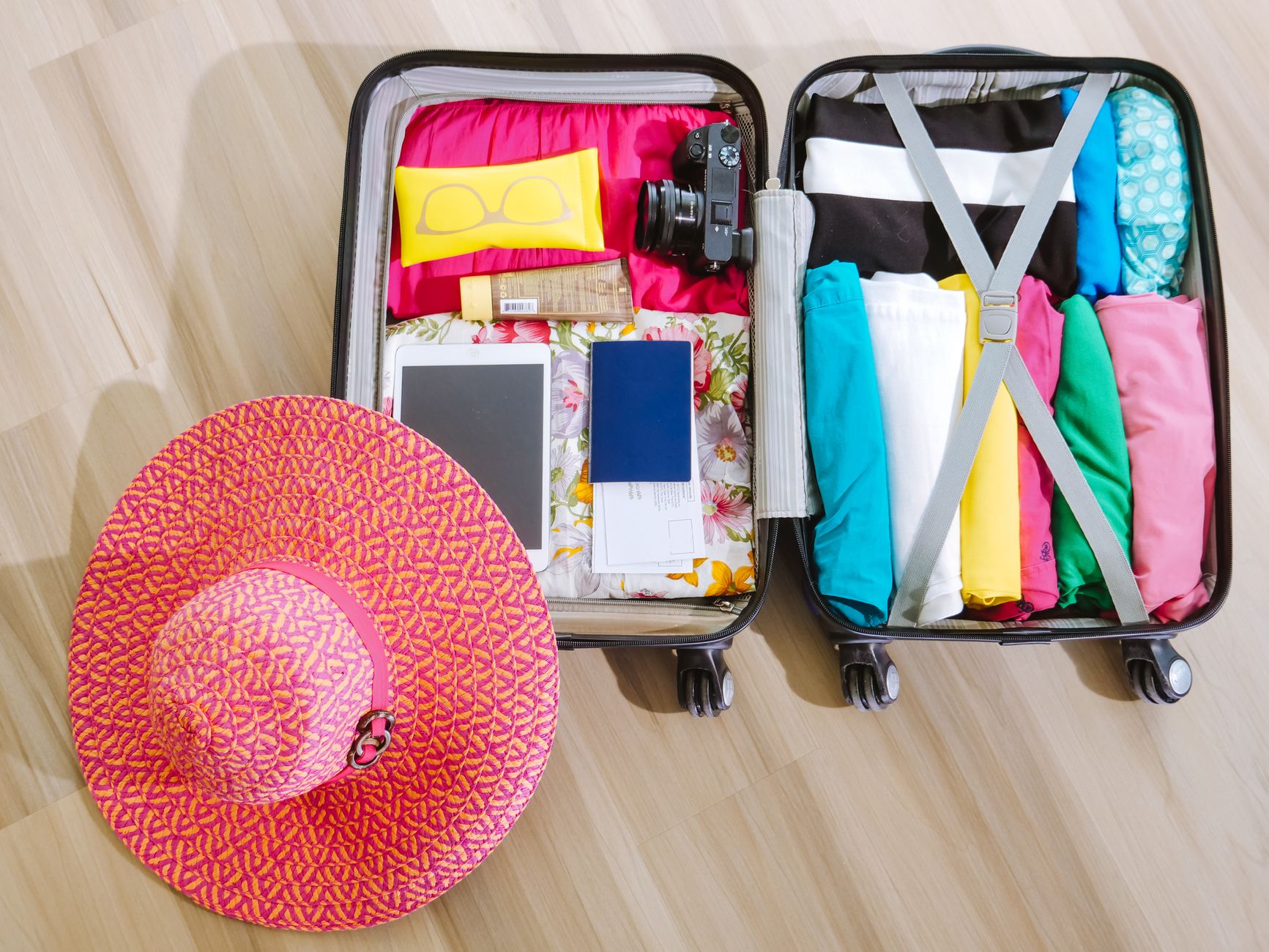
Packing for a trip can often feel like a game of Tetris, trying to fit everything into your suitcase while maximizing space and keeping your items organized. Compression packing cubes have become increasingly popular among travelers seeking to streamline this process.
But do these packing solutions actually work? This article delves into the effectiveness of compression packing cubes, examining their benefits, potential drawbacks, and how to use them effectively for your travel needs.
Do Compression Packing Cubes Work?
Compression packing cubes can significantly help declutter luggage and maximize space by allowing you to pack more items tightly. Their ability to compress bulky clothing into a smaller form makes them a useful tool for many travelers.
Understanding Compression Packing Cubes
Compression packing cubes are zippered containers that are designed to hold clothing and other items. They usually consist of two compartments: one for items you want to compress and another for regular packing. The outer zipper reduces the volume of the packed items once filled.
How Do They Work?
To use compression packing cubes, you fill the cube with your clothing, close the standard zipper, and then use the outer zipper to compress the cube down further. This creates a compact package that can fit snugly in your suitcase.
Benefits of Using Compression Packing Cubes
- Maximized Space: They make it possible to fit more items into your luggage than traditional packing methods.
- Organization: Packing cubes keep your belongings organized, making it easier to find specific items without rummaging through your entire suitcase.
- Reduced Wrinkles: By compressing your clothes, you can minimize the amount of movement inside your luggage, which helps reduce wrinkling.
- Versatility: They can be used for various items beyond clothing, like toiletries and electronics.
Potential Drawbacks
- Weight Considerations: While using packing cubes can save space, they also add a small amount of weight to your luggage.
- Material Limitations: Some cheaper cubes lack durability, leading to wear and tear over time.
- Not a Magic Solution: Compression cubes don’t magically allow you to pack unlimited items; overpacking can still lead to issues with luggage weight restrictions.
Choosing the Right Compression Packing Cubes
When selecting the right compression packing cubes, consider the following factors to ensure they meet your travel needs.
Size
Compression packing cubes come in various sizes. It’s important to choose sizes that suit your packing habits. Larger cubes may hold more but can make it challenging to fit in smaller bags.
Material
Look for packing cubes made from durable, water-resistant materials to ensure they can withstand wear and tear during your travels.
Closure Mechanism
Choose cubes with sturdy zippers that can handle the stresses of being compressed multiple times. Quality zippers won’t jam and will last longer.
Compression Feature
Not all packing cubes have the compressible feature. Ensure that the cubes you choose have a reliable method of compression, such as two compartments or a double zipper.
How to Use Compression Packing Cubes Effectively
To get the most out of compression packing cubes, follow these practical steps:
1. Choose Your Cubes Wisely
As mentioned, select packing cubes based on size and your travel needs. Consider the length of your trip and the clothing items you need.
2. Roll Your Clothes
Minimize wrinkles and maximize space by rolling your clothing before placing it in the packing cube. Rolling helps compact the fabric, allowing more items to fit inside.
3. Fill Strategically
Make sure to fill the cubes uniformly. Heavy items should go at the bottom, while lighter items can sit on top. Shoe bags can also be useful for footwear, keeping dirt away from clothing.
4. Close and Compress
Zip the main compartment first before starting to zip the compression zipper. This step ensures that the items inside are tightly packed.
5. Labeling
For quicker access, consider labeling each cube. You can use simple adhesive tags or a permanent marker to denote the contents.
6. Experiment with Packing Order
When packing your suitcase, experiment with the arrangement of the cubes for the best fit. Prioritize easy access to essentials, especially when traveling on-the-go.
Comparing Compression Packing Cubes to Traditional Packing Methods
Understanding the differences between traditional packing and using compression packing cubes can help you determine the best approach for your needs.
| Factors | Compression Packing Cubes | Traditional Packing |
|---|---|---|
| Space Utilization | Highly effective for maximizing space | Less efficient, may lead to wasted space |
| Organization | Easy organization by category or outfit | Items may become jumbled and disorganized |
| Wrinkle Reduction | Helps minimize wrinkles through compression | Higher risk of wrinkling |
| Convenience | Quick access to packed items | Can be time-consuming to find specific items |
Common Mistakes to Avoid When Using Compression Packing Cubes
Even with the best intentions, travelers can make mistakes that detract from the benefits of compression packing cubes. Here’s what to steer clear of:
- Overpacking: It’s easy to get carried away. Stick to the essentials to stay within weight limits.
- Ignoring Size Differences: Using the same size cube for all items can lead to inefficient packing. Adjust according to the type of clothing.
- Not Checking Airline Guidelines: Be aware of your airline’s baggage rules regarding size and weight limits.
- Skipping the Compression Step: Some travelers forget to use the compression feature. Don’t miss this essential step to save space.
- Neglecting Cleanliness: Always pack clean clothes. Dirty laundry can create unpleasant odors during your trip.
Alternative Packing Solutions to Consider
If compression packing cubes don’t suit your style, there are other options available for better packing organization:
1. Standard Packing Cubes
Regular packing cubes can help with organization without the compression feature. These are ideal if you prefer a simpler packing method.
2. Packing Folders
Packing folders help keep clothing flat and organized, making them a good option for business travelers concerned about wrinkles.
3. Compression Bags
Compression bags eliminate air through vacuum sealing, but they may be bulkier and are less convenient for airport security checks.
4. Dry Bags
Great for outdoor enthusiasts, dry bags keep items protected from moisture while providing compression-like features.
Tips for Maintaining Your Compression Packing Cubes
To ensure your packing cubes last through multiple trips, follow these simple maintenance tips:
- Regular Cleaning: Hand wash or machine wash on a gentle cycle when they become dirty. Air dry to maintain shape.
- Inspect Regularly: Check for tears, broken zippers, or other damages before and after each trip. Repair or replace as needed.
- Store Properly: When not in use, store your packing cubes flat to avoid creasing and damage.
Conclusion: Are Compression Packing Cubes Worth It?
Compression packing cubes are a valuable addition to the packing toolkit for many travelers. They help maximize space, keep items organized, and reduce wrinkles.
However, they are not without limitations. By strategically selecting the right cubes for your needs and using them effectively, you can enhance your travel experience significantly. Next time you plan a getaway, consider incorporating compression packing cubes to enjoy the benefits they offer.
Explore more travel tips and destination guides to optimize your next journey! Check out the best restaurants in Nashville and enriching travel experiences at The Moody Tourist.