
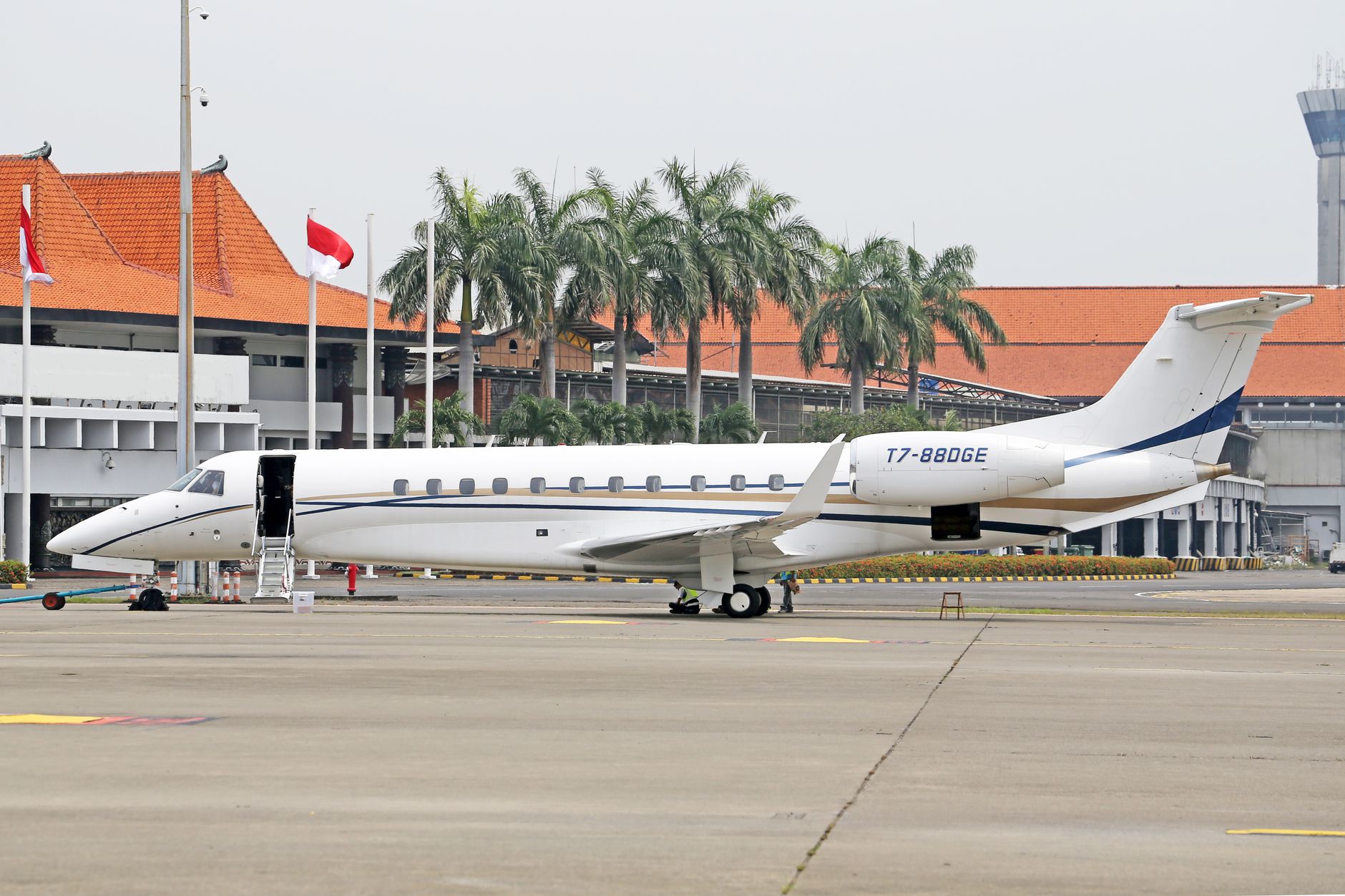
Traveling by private plane offers a level of convenience and flexibility that commercial flights can’t match. However, many travelers wonder whether private planes must go through customs, especially when traveling internationally. Understanding the customs process for private aviation is essential for smooth travel experiences.
This article will explore how customs works for private planes, what travelers should expect, and how to navigate the process effectively. Whether you’re a first-time flyer on a private jet or a seasoned aviation enthusiast, having a clear understanding of customs can save you time and hassle during your travels.
Do Private Planes Go Through Customs?
Yes, private planes do go through customs, especially when arriving in or departing from countries with customs regulations. However, the process can be different compared to commercial flights, with often fewer lines, more privacy, and streamlined procedures.
Understanding Customs for Private Flights
Customs is the government agency responsible for regulating international trade and traveling across borders. When flying privately, customs ensures compliance with laws regarding imports, exports, and immigration. The process involves declaring goods, answering questions, and sometimes allowing inspectors to search the aircraft.
Arrival Customs Process
- Pre-arrival notifications: Pilots must often notify customs of their arrival before touching down. This involves completing necessary documentation.
- Declaration of cargo and passengers: All passengers and cargo must be declared upon arrival. Travelers shouldn’t carry items that need to be declared without informing customs.
- Customs inspection: Depending on the country and specific circumstances, customs officers may inspect the aircraft and luggage.
- Immigration checks: Passengers will undergo immigration procedures, such as presenting passports and visas.
Departure Customs Process
- Pre-departure notifications: Similar to arrival, pilots must declare their departure to customs officials.
- Documentation verification: Passengers may need to present documents like visas or travel itineraries at the departure point.
- Security checks: Although generally less rigorous than commercial flights, some security inspections may still take place.
Customs Regulations by Country
Each country has its customs regulations, and these vary significantly. Here’s a brief overview of how customs works in several key countries for private aviation:
United States
In the U.S., private planes must clear customs at designated ports of entry. The Customs and Border Protection (CBP) agency governs the process. Pilots must submit a flight plan and notify CBP at least an hour before arrival.
Canada
Similar to the U.S., private aircraft traveling to Canada must report to Canada Border Services Agency (CBSA). All passengers must present their identification, and customs officials may inspect the aircraft and luggage.
European Union
In the EU, private jets must adhere to international customs regulations. The Schengen Zone, which includes multiple countries, may offer streamlined customs procedures for passengers traveling within its borders. However, customs must still be cleared when crossing in and out of the zone.
Commonwealth Countries
Countries like Australia and New Zealand have specific customs processes for private aviation to mitigate risks of agricultural pests and illegal substances. These nations often have strict regulations on goods and passenger properties.
Required Documentation
Traveling by private plane typically requires several key documents for both passengers and the aircraft. Here’s what you need to prepare:
- Passports: All international travelers must have a valid passport and any necessary visas.
- Flight plan: Pilots must have an updated flight plan that can be presented to customs upon request.
- Customs declaration form: This form must be filled out to declare any items such as currency, assets, gifts, or commercial goods.
- Aircraft registration: Proof of ownership and registration for the aircraft must be readily available.
- Airworthiness certificate: It is essential to present a valid airworthiness certificate to customs upon request.
Best Practices for Overcoming Customs Challenges
While the customs process for private flights is generally more convenient than for commercial flights, it’s important to prepare adequately. Here are some tips to make your customs experience as smooth as possible:
Plan Ahead
Before your flight, familiarize yourself with the customs regulations at your destination. Knowing what to expect can help prevent any surprises upon arrival.
Notify Customs Early
Informing customs officials of your arrival or departure ahead of time can expedite the process. Use apps or services designed for flight operators to notify customs efficiently.
Keep Documents Organized
Having your documents readily available prevents delays. Consider keeping physical copies in a folder as well as digital copies on a secure device.
Be Honest and Accurate
When declaring items to customs, honesty is always the best policy. Providing inaccurate information can result in fines or delays.
Check Pet and Agricultural Restrictions
Traveling with pets or agricultural products often comes with stringent regulations. Ensure compliance with the rules by checking requirements ahead of time.
Common Misconceptions About Private Aviation Customs
Many myths surround customs for private planes. Here are some common misunderstandings:
Myth: Private Planes Don’t Need to Go Through Customs
While private jets often enjoy expedited processes, they must still clear customs when entering or leaving a country.
Myth: Customs Is Less Strict for Private Flights
In reality, customs regulations apply equally to private flights. The difference lies in the execution, where private travelers benefit from more personalized service.
Myth: All Passengers Are Exempt from Security Checks
Passengers on private planes may still be subjected to security checks, especially when entering countries with strict regulations.
Costs Associated with Customs for Private Aviation
While many travelers enjoy the benefits of flying privately, some costs are associated with customs procedures you should consider. Below are the potential fees and expenses:
Customs and Handling Fees
Customs offices may charge fees for the processing of arrival and departure notifications. These costs can vary by location and country.
Ground Handling Fees
Arrange for ground handling services at your arrival airport, which can include customs clearance. These can add to your overall expenses.
Potential Tax Implications
Travelers should be aware of tax obligations when importing or exporting goods. Understanding the regulations in your destination country is crucial.
Private Jet Customs Clearance Services
Traveling with a private jet can come with additional support through specialized clearance services. Here is how they can assist:
Dedicated Assistance
Customs clearance services streamline the entire customs process by providing dedicated personnel to interface with customs officers on behalf of travelers.
Logistical Coordination
These services manage the logistical aspects of customs clearance, ensuring that all appropriate documentation is completed accurately.
Reducing Wait Times
Utilizing customs clearance services often leads to reduced wait times at arrival or departure, allowing for a smoother travel experience.
What Happens If You Don’t Go Through Customs?
Failing to clear customs can lead to serious consequences. Here is what could happen:
Legal Repercussions
Travelers who bypass customs may face stringent penalties, including fines or the confiscation of goods.
Increased Scrutiny
By not adhering to customs protocols, travelers may attract scrutiny during future flights, leading to longer processing times down the line.
Entry Denials
Customs authorities reserve the right to deny entry into a country for individuals who do not comply with regulations.
Conclusion and Next Steps
Traveling via private planes does involve customs, but with the right knowledge and preparation, the process can be relatively quick and hassle-free. Acquaint yourself with customs requirements, keep necessary documents ready, and consider using customs clearance services to ensure efficiency.
As a practical next step, travelers should research customs regulations at their specific destinations to ensure they comply with all necessary requirements. Explore more travel topics and guides to help you plan your next adventure.
For further reading, check out our articles on The Moody Tourist and best restaurants in Phoenix airport.