
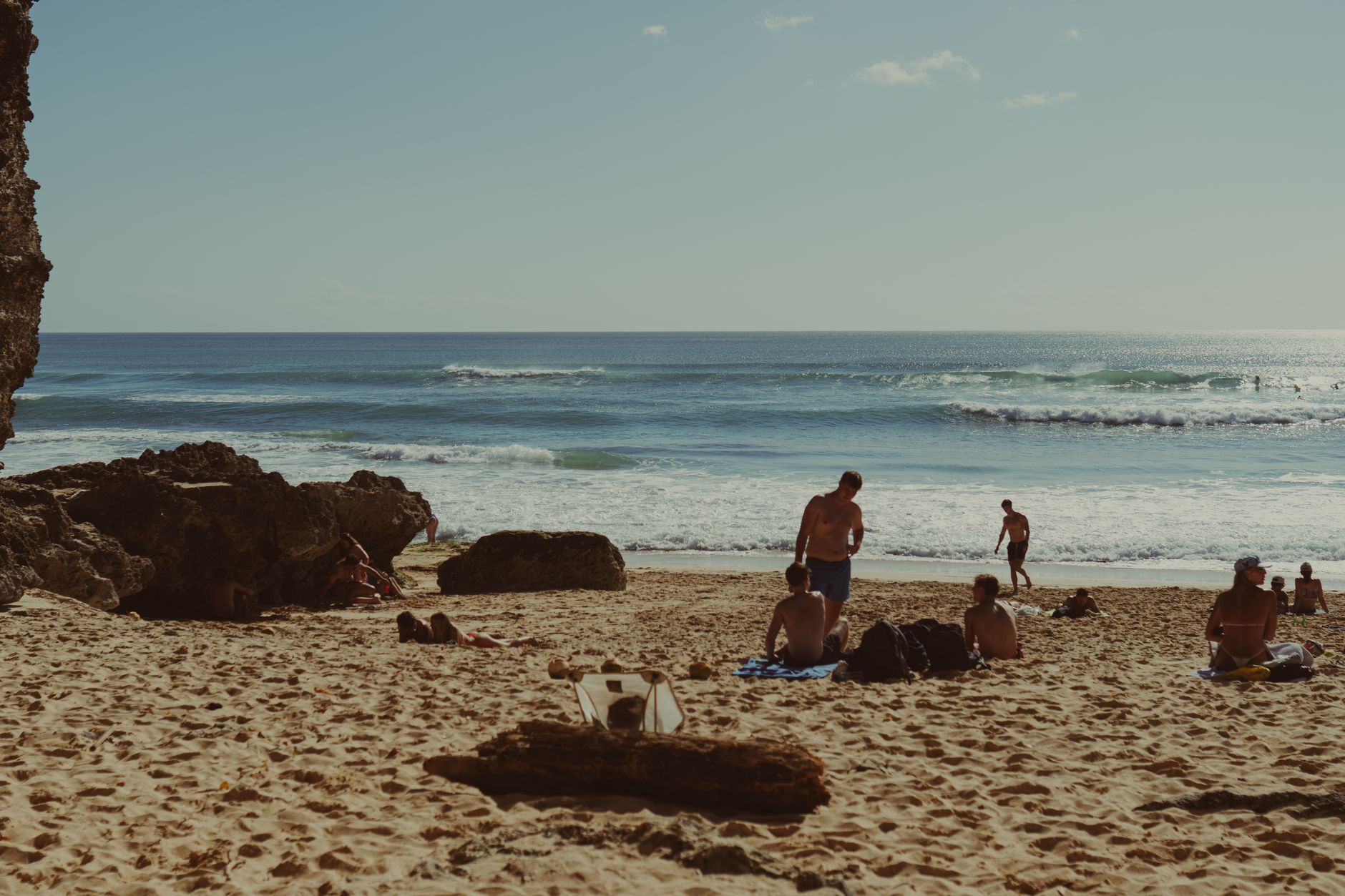
The Bahamas is a stunning archipelago in the Caribbean known for its crystal-clear waters, beautiful beaches, and vibrant culture. As tourists flock to this popular destination, one common question arises: Does the Bahamas accept U.S. dollars? This article delves into the currency situation in the Bahamas, offering practical tips for visitors to ensure smooth transactions during their stay.
Understanding the currency landscape in the Bahamas is essential for any traveler. Knowing what forms of payment are accepted can help you plan effectively and avoid any confusion while enjoying your vacation. This guide covers not only the acceptance of U.S. dollars, but also provides insight into local currency, tips on spending, and other essential financial advice.
Does Bahamas Take US Dollars?
Yes, the Bahamas accepts U.S. dollars. In fact, U.S. currency is widely used in most places throughout the islands, including hotels, restaurants, and shops. Visitors can often pay in either U.S. dollars or Bahamian dollars without difficulty.
The Bahamian dollar (BSD) is the official currency of the Bahamas, pegged at par with the U.S. dollar. This means that one Bahamian dollar is equivalent to one U.S. dollar, making it easy for tourists from the United States to navigate their finances while on the islands.
Understanding the Local Currency
While the U.S. dollar is accepted almost everywhere, it’s essential to be aware of the Bahamian dollar, especially if you plan to visit local markets or off-the-beaten-path locations. Here are some key points about the Bahamian dollar:
- The Bahamian dollar is identified by the code BSD and is often represented by the dollar sign, similar to U.S. dollars.
- Bahamian dollar banknotes and coins feature the national seal, and its denominations include $1, $5, $10, $20, $50, and $100 banknotes, as well as various coin denominations.
- Local businesses may sometimes give change in Bahamian dollars, which are perfectly acceptable to use alongside U.S. dollars.
Where to Get Bahamian Dollars
In most cases, you won’t need to worry about converting your money into Bahamian dollars, as U.S. dollars are widely accepted. However, if you prefer to have local currency for smaller purchases, here are some tips on how to obtain Bahamian dollars:
- ATMs: Many ATMs throughout the islands dispense Bahamian dollars. Be sure to check with your bank about international fees before using them.
- Currency Exchange: You can exchange U.S. dollars for Bahamian dollars at banks, hotels, and some exchange bureaus. The rates are usually similar, given the peg between the two currencies.
- Banks: Local banks offer currency exchange services, and most are located in the major towns and cities.
Practical Tips on Spending in the Bahamas
To maximize your experience in the Bahamas, consider these practical tips for spending:
- Carry Small Bills: Having small denominations of U.S. dollars can help with tipping and quick purchases. Many vendors may not have change for larger bills.
- Credit and Debit Cards: Credit and debit cards are commonly accepted at hotels, restaurants, and larger shops, though it’s still wise to carry some cash for local markets or smaller establishments.
- Leave Tips in Cash: While tipping is appreciated in the Bahamas, many bartenders and servers prefer cash tips, even if the bill is paid by card.
- Be Aware of Foreign Transaction Fees: Consult your bank about any fees on credit card transactions abroad. Some cards offer no foreign transaction fees, which can save you money.
Planning Your Trip to the Bahamas
When planning a trip to the Bahamas, it’s vital to keep the island’s unique financial landscape in mind. Here are some additional considerations for a budget-friendly visit:
Budgeting for Your Trip
When calculating your travel budget, consider the following:
- Accommodation: Prices can vary significantly depending on the islands and the type of lodging. Expect to pay anywhere from $100 to $400+ per night for hotels or resorts.
- Food and Dining: Dining out in the Bahamas can range from inexpensive local eateries to lavish restaurants. Plan to spend between $10 to $50 per meal, depending on where you choose to eat.
- Activities: Entry fees for attractions, tours, and excursions should be factored into your budget. Prices vary widely from a few dollars for beaches to several hundred for organized activities like scuba diving.
Length of Stay
The ideal length of stay varies based on personal preferences and interests. A week-long visit is generally sufficient to explore popular islands like Nassau and Paradise Island, while staying longer allows for side trips to less trafficked areas such as Exuma or Eleuthera. Consider the following:
- Plan for activities such as snorkeling, diving, and island hopping.
- Factor in rest days to relax on the beach or enjoy hotel amenities.
- Consider scheduling some excursions to truly experience the culture and natural beauty of the Bahamas.
Transportation Options in the Bahamas
Getting around the Bahamas can be an adventure in itself. Here are some transportation options to explore during your trip:
Public Transportation
Public transportation includes jitneys (small buses) and taxis to navigate the larger islands like New Providence. Jitneys are safe, affordable, and a great way to see the local culture while traveling.
Car Rentals
If you prefer more independence, consider renting a car. Rental agencies are available at the airport and in major towns. Bear in mind:
- Driving is on the left side of the road.
- Rental costs can range from $30 to $75 per day, depending on the vehicle and rental duration.
Inter-Island Travel
Ferry services and small planes connect different islands. It’s essential to book ahead for popular routes, especially during peak travel seasons.
Dining and Cultural Experiences
The Bahamian culinary scene is a highlight of any trip. Here are some practical tips for enjoying food and drink:
Where to Eat
From street food to fine dining, you’ll find various options in the Bahamas. Additionally, many establishments conveniently accept U.S. dollars:
- Local Cuisine: Don’t miss trying conch fritters, rock lobster, and Bahama Mama cocktails.
- Popular Restaurants: Look for local favorites like Arawak Cay, known for its seafood shacks and laid-back atmosphere.
- Resorts and Hotels: Many resorts have restaurants offering everything from casual to upscale dining options.
Tipping in the Bahamas
Tipping customs in the Bahamas generally mirror those in the United States. Standard gratuity for restaurant service ranges from 15% to 20%, and it’s common to tip bartenders and taxi drivers as well. Keep cash on hand for smaller tips.
Best Times to Visit the Bahamas
Considering the climate and tourism trends can significantly enhance your visit. Here are the main points regarding when to go:
- High Season: Mid-December through mid-April attracts many tourists, leading to higher accommodation rates and bustling attractions.
- Low Season: Late spring through early fall may see fewer visitors and lower prices, though this is also hurricane season, so plan accordingly.
- Events and Festivals: If possible, schedule your visit to coincide with cultural events such as Junkanoo, a traditional Bahamian festival.
Safety Considerations
As with any travel destination, it is wise to remain vigilant. Here are practical safety tips for your trip to the Bahamas:
- Keep your belongings secure and avoid displaying valuable items in public places.
- Stick to well-lit areas and avoid walking alone at night in unfamiliar places.
- Stay informed by checking current travel advisories from trusted sources before your trip.
Final Thoughts
The Bahamas offers a perfect mix of relaxation and adventure, making it an attractive destination for various travelers. With the acceptance of U.S. dollars and the favorable currency exchange with Bahamian dollars, managing your expenses in the Bahamas should be effortless. Focus on enjoying the islands’ breathtaking beauty, rich culture, and delectable cuisine.
As you prepare for your trip, consider diving deeper into related topics. Explore guides on the best restaurants in Turks and Caicos or the best dining experiences in Grand Cayman to enhance your travel planning.