
Cuba’s vibrant energy and unique culture draw travelers from all over the world. One of the questions that often arise when considering a trip to Cuba is whether the country has new cars available for tourists. Understanding the transportation landscape in Cuba is essential for planning a successful visit, as it reflects the nation’s history, economy, and day-to-day life. This guide explores the current situation regarding cars in Cuba, including whether new cars are accessible and how they fit into the overall travel experience.
Beyond the inquiry about new cars, this guide will provide insights into the country’s transportation system, the best ways to get around, and practical tips for navigating the streets of Cuba during your visit.
Does Cuba Have New Cars?
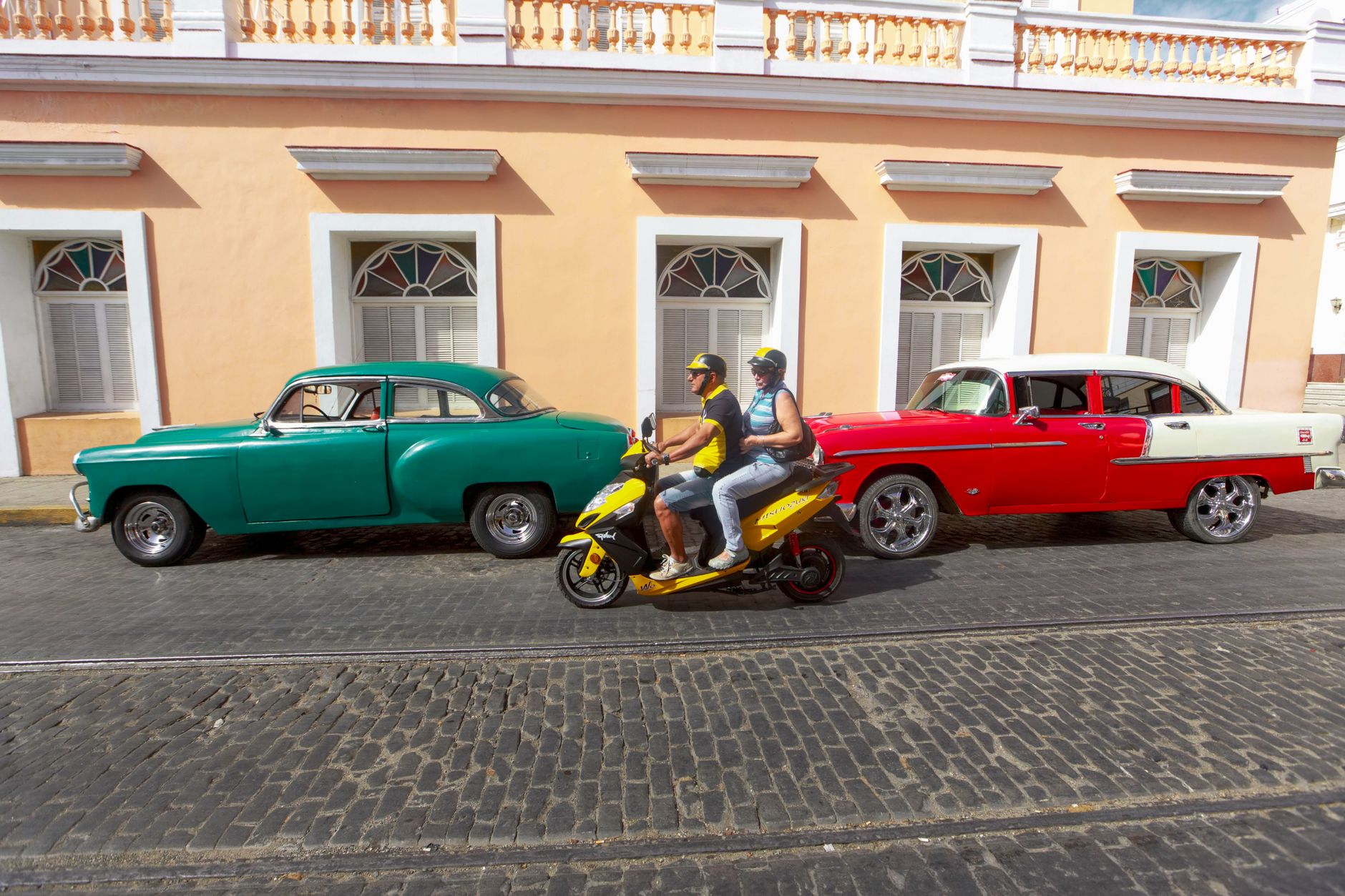
Yes, Cuba does have new cars, but they are relatively scarce and not available for general public use like in many other countries. Most cars on the roads are vintage American models from the 1950s, which have become iconic symbols of the nation. However, due to recent reforms, some new cars are being introduced into the market, primarily aimed at private taxi services and businesses.
Understanding Cuba’s Car Market
The car market in Cuba has undergone significant transformations in recent years, evolving from strict government control to a more open system that allows for private ownership and purchase of certain vehicles. Here’s a brief overview of how this classic car culture developed and what it means for travelers:
The Historical Context
After the Cuban Revolution in 1959, the government nationalized all businesses, including the automobile industry. This led to a significant aging of the vehicle fleet, and by the 1990s, Cuban roads were filled with classic cars that had long been discontinued elsewhere. As a result, the automotive landscape became a fascinating mix of Mid-20th century vehicles integrated with modern parts for functionality.
Recent Developments
In recent years, the Cuban government has introduced reforms aimed at stimulating the economy, including the car market. Though new vehicles are available, they are mostly limited to specific sectors and typically come with high price tags. Nevertheless, these changes signal a positive shift and an evolving landscape for automobiles in Cuba.
Types of Cars Available in Cuba
Vintage Cars
- Classic American Cars: The majority of vehicles on the road are pre-1960 American classics. These colorful, lavish cars are often used by private taxi services and for tourist rides.
- Other Vintage Models: Apart from American automobiles, some vintage Soviet cars, particularly Ladas, can also be seen, adding to the eclectic mix.
New Cars
- Government Imports: The government does import new cars, but they are primarily for official use. Limited models may be available for sale.
- Private Purchases: Since 2011, Cubans have been allowed to buy and sell cars from one another, leading to a burgeoning second-hand market that includes some newer models.
Rental Cars
Travelers wishing to explore more remote areas might consider renting a car. While options are limited, some international companies operate in Cuba, offering a selection of newer vehicles as rental options. However, international travelers should expect higher prices compared to other Caribbean destinations.
Transportation Options in Cuba
Cuba offers a variety of transportation methods beyond personal and rental cars. Understanding these options can help you navigate the country effectively and maximize your experience.
Private Taxis and Ridesharing
Private taxis are quite widespread and a good option for tourists looking for convenience. Generally, these are the classic cars mentioned earlier. Riders can flag down taxis easily, but it’s advisable to agree on a fare before the ride or ask for the meter to be turned on. Several apps, including Uber, have made limited appearances; however, their functionality may vary greatly.
Public Transport
- Viazul Buses: This private bus service provides comfortable and affordable travel between major tourist cities.
- Local Buses: While they are an economical choice, local buses can be crowded and challenging for non-Spanish speakers.
Bicycles and Classic Car Tours
For those wanting to experience Cuba at a slower pace, renting bicycles is advisable, especially in smaller cities. Furthermore, many local companies offer guided tours in vintage cars—a delightful way to explore Cuban history and daily life.
Exploring Outside of Havana
While many tourists spend most of their time in Havana, Cuba’s other provinces are equally captivating. Exploring these areas often requires knowledge of reliable transport options.
Popular Day Trips
- Varadero: Known for its beautiful beaches, Varadero is easily accessible via buses and private taxis from Havana.
- Viñales: Famous for its tobacco fields and dramatic landscapes, Viñales is about a two-hour drive from Havana and is reachable by Viazul buses.
- Trinidad: A UNESCO World Heritage site, Trinidad boasts colonial architecture and is accessible by bus and taxi.
Where to Stay in Cuba
Your choice of accommodation can impact your overall experience, particularly concerning transportation access. Here are suggestions for various traveler types:
Budget Travelers
- Hostels: Affordable and social environment, often providing information about local transport.
- Casa Particulars: Staying in private homes allows an authentic experience and access to local advice on getting around.
Mid-range to Luxury Travelers
- Hotels: Various hotels offer good amenities, airport transfers, and proximity to major attractions.
- Resorts: All-inclusive resorts around Varadero provide a retreat, but may limit your exploration of local culture.
When to Visit Cuba
Timing your visit can play a pivotal role in your experience. Cuba’s peak tourist season runs from December to March when the weather is most pleasant. However, traveling during the shoulder seasons in April or November can lead to fewer crowds, lower prices, and a chance to experience local events and festivals.
Budget Considerations
Cuba is known for being relatively affordable, but various factors may influence your overall budget. Here’s what to keep in mind:
Transportation Costs
- Taxis: Expect to pay anywhere from $10 to $30 for short trips in private taxis.
- Buses: Viazul bus fares range from $10 to $30 depending on the distance traveled.
Accommodation
Accommodation prices can vary significantly. Budget options can range from $15 to $50 per night, whereas mid-range hotels fall in the $50 to $150 range. Luxury hotels and resorts can exceed $150 per night.
Food and Drink
- Street Food: Expect to pay $1 to $5 for delightful local snacks.
- Restaurants: Dining at mid-range restaurants may cost about $10 to $30 per person.
Essential Travel Tips for Cuba
Traveling in Cuba requires a few considerations to have a smoother experience. Here are some essential tips:
Planning Ahead
- Book Accommodations Early: Due to limited options, especially in peak season, it’s best to book your stay early.
- Cash is King: Credit cards are accepted by few places. It’s wise to carry enough cash (euros or Canadian dollars preferred) for your stay.
Safety Considerations
Cuba is generally safe for tourists, but it’s best to stay alert and practice common sense. Avoid displaying valuables and consult local advice regarding safety, especially in less populated areas.
Accessibility Considerations
Traveling with mobility challenges can be tricky in Cuba. Most public transport is not equipped for wheelchair access. Tourists should plan to rely on private taxis or accommodations that provide accessible options.
Conclusion
Cuba’s car culture is as captivating as its rich history and vibrant society. While new cars are making their way into the landscape, the vintage cars that characterize Cuba’s streets offer a unique experience for travelers. By planning effectively and utilizing the various transportation options available, visitors can enjoy all that this beautiful island has to offer.
For more insights, be sure to explore our guides to Cuban travel tips and the best dining spots. Happy travels!