
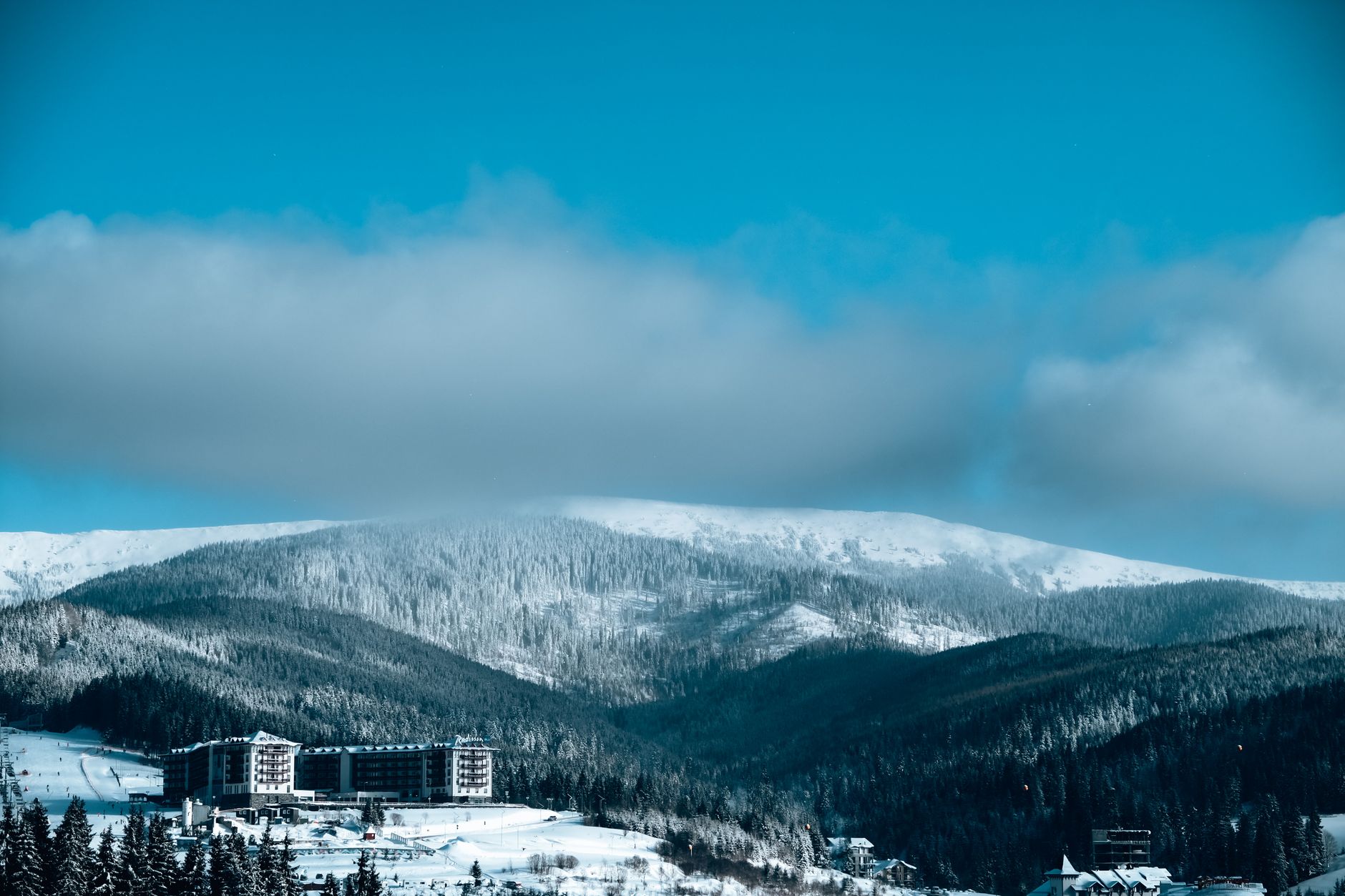
When considering a trip to Tennessee, one question that often arises is whether or not it snows in the region. Tennessee, located in the southeastern United States, experiences a diverse climate that varies greatly across its three geographical regions—East, Middle, and West Tennessee. Each area has its unique characteristics when it comes to winter weather.
This article will explore the snowfall patterns throughout Tennessee, providing insights on when to visit, what to expect, and how to plan for winter-related activities. Whether you’re a snow enthusiast or simply curious about the winter season in Tennessee, read on for a comprehensive guide.
Does It Snow In Tennessee?
Yes, it does snow in Tennessee, but the amount and frequency of snowfall vary significantly across the state. Generally, snowfall is most common in East Tennessee, particularly in the higher elevations of the Appalachian Mountains, while Middle and West Tennessee experience milder winters with less snow.
Understanding Tennessee’s Climate
Tennessee’s climate can be roughly divided into three regions:
- East Tennessee: Characterized by higher elevations and a more varied climate, East Tennessee receives the most snowfall in the state. Mountainous areas, especially around the Great Smoky Mountains, can experience significant winter weather.
- Middle Tennessee: This region, where cities like Nashville are located, has a more moderate climate. Snowfall here is less common and usually light, averaging a few inches each winter.
- West Tennessee: Including cities like Memphis, West Tennessee sees even less snow, with occasional flurries but rarely accumulations. Winter temperatures are milder, often hovering above freezing.
When Does It Snow in Tennessee?
The snow season in Tennessee typically spans from late November through early March, with the peak occurring in January and February. However, snowfall can be unpredictable, and each winter may vary considerably.
December
December often marks the beginning of snowfall in Tennessee. Light flurries may occur, especially in the higher elevations of East Tennessee. Accumulations are generally modest, making it an excellent time for holiday travels.
January
January is typically the coldest month in Tennessee and often brings the most significant snowfall. Snowstorms can occur, particularly in East Tennessee, where the Smoky Mountains can receive substantial amounts of snow. This is a popular time for winter sports enthusiasts.
February
February continues the trend of winter weather, but temperatures begin to warm towards the end of the month. Snowfall remains possible, especially in the east, but it may start to transition to rain as spring approaches.
March
By March, snow becomes less frequent, but occasional snow showers may still occur in East Tennessee. The transition to spring is evident, and the weather warms significantly, making it a good time to explore the state’s natural beauty without the threat of severe winter weather.
What to Expect from Snow in East Tennessee
East Tennessee experiences the most snow in the state, particularly in the Great Smoky Mountains. This area can see over 10 feet of snow in a single winter, attracting skiers and snowshoers. Towns like Gatlinburg and Pigeon Forge become winter wonderlands, offering various activities for visitors.
Outdoor Activities in East Tennessee
Visiting East Tennessee during winter opens up numerous outdoor activities:
- Skiing and Snowboarding: Resorts like Ober Gatlinburg provide great slopes for skiing and snowboarding enthusiasts.
- Snow Tubing: Families can enjoy snow tubing at local venues, which is a fun way to experience the snow.
- Winter Hiking: Trails in the Smoky Mountains offer breathtaking views, despite colder conditions, perfect for seasoned hikers.
Snow in Middle Tennessee
Middle Tennessee, home to Nashville, tends to receive less snow than East Tennessee. Accumulations are typically light, averaging about 3-6 inches each winter. Snowfall may disrupt travel and school schedules but often melts quickly.
Things to Do in Nashville During Snow
Even with limited snow, winter can be a magical time in Nashville:
- Ice Skating: Visit local rinks such as the one at the Nashville Public Square, where you can enjoy a festive atmosphere.
- Winter Festivals: Nashville hosts various winter events, including holiday markets and indoor concerts.
- Cultural Attractions: Take advantage of the milder weather to explore museums like the Country Music Hall of Fame and the Frist Art Museum.
Snow in West Tennessee
West Tennessee experiences the least snowfall, mainly consisting of light dustings or flurries. The city of Memphis might witness snow on occasion, but significant accumulations are rare. Most winters, residents enjoy mild temperatures with only occasional cold snaps.
Exploring Memphis in Winter
Despite the light snowfall, Memphis still offers plenty to do during the winter months:
- Visit Graceland: Elvis’s iconic home is open year-round and provides a unique experience even in the winter.
- Attend Music Events: Visit venues featuring local music; the nightlife can still be vibrant and enjoyable during the colder months.
- Local Cuisine: Explore Memphis’s famous BBQ restaurants, as hearty meals are perfect for warming up on cold days.
Traveling During Snowy Conditions
Traveling in Tennessee during snowfall can present challenges, especially in the mountainous areas of East Tennessee. Here are some tips to help ensure a smooth trip:
- Check Weather Reports: Always monitor the weather forecasts before and during your trip, as conditions can change rapidly.
- Know Your Route: Consider alternate routes, especially if traveling through mountainous areas, where roads can become hazardous.
- Prepare Your Vehicle: Ensure your vehicle is winter-ready, equipped with proper tires and emergency supplies.
Accommodation Options in Winter
When planning a winter trip to Tennessee, it’s essential to choose accommodations wisely based on your activities and the region you are visiting. Here are some options:
East Tennessee
In East Tennessee, particularly near Gatlinburg and Pigeon Forge, you will find several cozy cabins and lodges. Many offer stunning mountain views and easy access to ski resorts.
Middle Tennessee
Nashville offers a wide range of hotels, from luxury options to budget-friendly motels. Staying in the downtown area provides easy access to winter activities and events.
West Tennessee
West Tennessee, particularly Memphis, has numerous hotels and inns. Look for those that include winter packages, offering deals on extended stays or discounts for local attractions.
What to Pack for a Winter Trip to Tennessee
When visiting Tennessee in the winter, it’s crucial to pack accordingly. Here’s a practical packing list to prepare for your trip:
- Warm clothing (layers, thermal wear, and insulated jackets)
- Winter boots with good traction
- Gloves, hats, and scarves
- Umbrella or waterproof coat (in case of rain or wet snow)
- Base layers for outdoor activities
- Camera to capture the beautiful winter scenery
Budget Considerations for a Winter Trip to Tennessee
Traveling to Tennessee in winter can be affordable, but here are some considerations to keep in mind:
- Off-Peak Travel: Consider visiting during the off-peak season (late November to mid-December or late February to March) for better hotel rates.
- Activity Costs: Budget for winter activities, such as skiing or ice skating, which can vary significantly in cost.
- Food and Dining: Memphis and Nashville offer a range of dining options; seek out local restaurants to get the best experiences without breaking the bank.
Accessibility and Safety Considerations
Traveling in winter can lead to unique challenges, particularly with icy roads and colder temperatures. Be sure to keep these points in mind:
- Check for road conditions before traveling and be prepared for icy and slippery conditions, particularly in East Tennessee.
- Ensure accommodations are accessible if traveling with mobility issues, as some mountain cabins might lack proper access.
- Stay informed about local weather conditions; use their resources to determine the best times to navigate the region safely.
Things to Remember
Before embarking on your winter adventure to Tennessee, consider these key takeaways:
- Snowfall patterns vary significantly across the state; plan accordingly based on the region you wish to explore.
- Your winter experience will vary from bustling cities to serene mountain getaways; explore what suits your interests.
- Always stay prepared for winter weather; it is essential for an enjoyable and safe trip.
In summary, Tennessee offers a diverse winter experience, from the snowy peaks of the Smoky Mountains to the milder climates of Memphis and Nashville. Determining where to stay, what to do, and how to navigate winter weather helps ensure a memorable trip filled with unique experiences.
Now that you know about the potential for snow in Tennessee, check out more travel ideas in our guides on the best restaurants in Tri Cities and the best restaurants in Memphis. Plan your trip wisely and enjoy the beauty of Tennessee during the winter!