
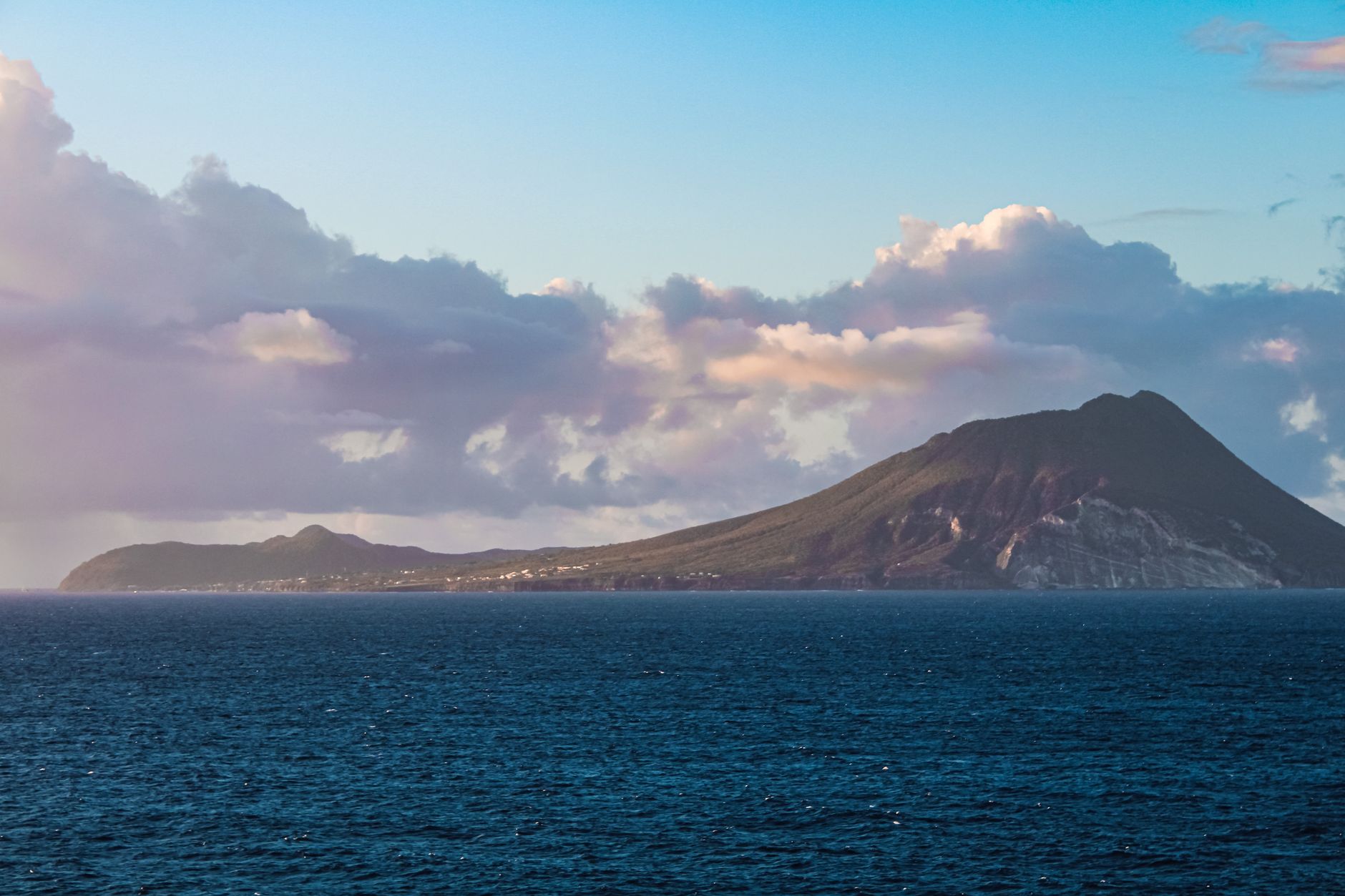
Oahu, known for its stunning beaches and vibrant culture, also has a fascinating geological history. One question that often arises for travelers exploring this vibrant island is, “Does Oahu have a volcano?” The answer is yes, but the history and features of Oahu’s volcanic activity are quite unique.
Oahu, the third-largest island in the Hawaiian archipelago, is primarily composed of two mountain ranges formed by volcanic activity. These mountains’ formations contribute to the island’s breathtaking landscapes and rich biodiversity. This article will explore Oahu’s volcanic history, its major geological features, and how you can experience these natural wonders firsthand.
Does Oahu Have A Volcano?
Oahu has two main volcanic mountains, Diamond Head (Le’ahi) and Ko’olau, which are remnants of a volcanic past. Diamond Head is a dormant volcano, while the Ko’olau Range contains evidence of Oahu’s volcanic origins. Both formations provide stunning scenery and opportunities for exploration.
Understanding Oahu’s Volcanic History
Oahu’s volcanic activity dates back approximately 3 million years. Unlike other islands in Hawaii, which are still experiencing volcanic activity, Oahu is considered geologically older, resulting in its unique topography. Oahu is made up of three primary shield volcanoes: the Waianae Range in the west, the Ko’olau Range in the east, and a smaller volcanic area called the Honolulu Volcanic Series.
The Formation of Oahu’s Volcanoes
The Waianae and Ko’olau Ranges were formed by volcanic eruptions millions of years ago. Over time, erosion has played a significant role in shaping the landscape, leading to the distinctive rugged peaks and valleys seen today. The Ko’olau Range features steep cliffs and deep valleys, while the Waianae Mountains are characterized by sprawling lava fields and less steep slopes.
Diamond Head, the most famous volcanic crater in Oahu, is a relatively young formation compared to the other ranges. It was formed about 300,000 years ago during a single explosive eruption. The crater is a prominent landmark and offers breathtaking views for those who hike to its summit.
Exploring Oahu’s Volcanic Attractions
Oahu’s volcanic scenery offers plenty of activities for visitors. From hikes to scenic drives, here are some of the top attractions to experience the islands’ geological features:
1. Hike to the Top of Diamond Head
One of the most popular outdoor activities in Oahu is hiking to the summit of Diamond Head. The trail is approximately 1.6 miles round-trip and takes about 1.5 to 2 hours to complete. Hikers are rewarded with panoramic views of the Pacific Ocean, Waikiki, and Honolulu once they reach the summit.
- Trail Length: 1.6 miles round-trip
- Difficulty: Moderate
- Best Time to Hike: Early morning or late afternoon
2. Explore the Ko’olau Range
The Ko’olau Range offers numerous hiking trails and scenic viewpoints. For experienced hikers, the Olomana Trail is a challenging trek with rewarding views. Alternatively, the Makapu’u Lighthouse Trail is a less strenuous option that provides stunning coastal scenery.
- Olomana Trail: 5.4 miles round-trip, Moderate to Difficult
- Makapu’u Lighthouse Trail: 2 miles round-trip, Easy
3. Visit Koko Head Crater
Another must-visit spot is Koko Head Crater, an extinct volcano. The hike to the summit involves climbing over 1,000 steps made from old railway ties. Although physically demanding, the breathtaking views from the top are worth the effort.
- Trail Length: 1.8 miles round-trip
- Difficulty: Challenging
4. Discover Hanauma Bay
Hanauma Bay, a volcanic caldera, is now a protected marine life conservation area. It offers excellent snorkeling opportunities and showcases the beauty of Oahu’s ocean and marine life. Do remember that access is limited, and reservations are required.
- Admission: Check for current rates and reservation policies
- Best Time to Visit: Early morning for fewer crowds
Getting Around Oahu
To explore Oahu’s volcanic attractions and experience the island’s diverse offerings, it is essential to have a reliable transportation plan. Here are some options:
Rental Cars
Renting a car is often the most convenient way to navigate Oahu. Various car rental companies operate at the Daniel K. Inouye International Airport and in major towns. Having a car allows you the freedom to explore the island at your own pace.
Public Transportation
TheBus is Oahu’s public bus system that provides extensive coverage across the island. While it’s budget-friendly, it may be less convenient as buses can take longer and may not run directly to some attractions.
Tour Services
For those who prefer guided experiences, numerous tour companies offer packages that include transportation to hiking spots and other popular attractions. These tours are beneficial for those unfamiliar with the island.
Where to Stay in Oahu
When planning your trip, consider where you want to stay based on the attractions you wish to visit. Here’s a breakdown of various areas and their appeal:
1. Waikiki
Waikiki is a bustling tourist hub known for its beachfront hotels, restaurants, and nightlife. Staying here gives easy access to Diamond Head and other attractions.
2. North Shore
If you’re interested in a more laid-back atmosphere, the North Shore offers beautiful beaches, world-class surfing, and a more local feel. Oahu’s famous Waimea Bay is located here.
3. Ko Olina
This area is home to luxurious resorts and beautiful lagoons. It’s perfect for those looking for relaxation and upscale amenities while being a short drive from hiking opportunities in the western part of the island.
4. Kailua
Kailua is a charming town on the windward side of Oahu known for its beautiful beaches and laid-back vibe. It’s a bit further from the main tourist areas but perfect for enjoying natural beauty.
Best Time to Visit Oahu
The best time to visit Oahu largely depends on your interests. The peak tourist season is during the winter months (December to March) when conditions are ideal for surfing and green landscapes after the rainy season.
Summer Season
From April to October, Oahu experiences warm temperatures, which is prime for beach activities and hiking. Summer also sees larger crowds, especially in tourist areas.
Shoulder Seasons
The shoulder periods, late spring (April to June) and early autumn (September to November), often provide a balance of warm weather, fewer tourists, and more affordable accommodation rates.
Budget Considerations
Traveling to Oahu can vary significantly in terms of budget. Factor in accommodation, dining, activities, and transportation when planning your trip:
- Accommodation: Ranges from budget hostels to luxury resorts.
- Dining: Expect to spend $15 to $30 per meal, with budget options available.
- Activities: Many outdoor activities, including hiking, are free, but some attractions may have entry fees.
- Transportation: Rental cars can be expensive, while public transportation is a budget-friendly option.
Saving Tips
To maximize your budget during your visit to Oahu, consider the following tips:
- Seek local dining options that offer more affordable meals than tourist hotspots.
- Take advantage of free or low-cost outdoor activities, such as hiking or visiting public beaches.
- Avoid peak summer travel to benefit from lower accommodation rates.
Activities Beyond the Volcanoes
While Oahu’s volcanoes and hiking trails are major attractions, there are plenty of other activities to experience. Here are some additional options:
Cultural Experiences
Immerse yourself in Hawaiian culture by visiting historic sites such as Pearl Harbor and the Iolani Palace, which provides insight into Hawaii’s history and heritage.
Water Sports
Oahu is a haven for water sports enthusiasts. From surfing at famous beaches like Waimea Bay to snorkeling in Hanauma Bay, there are activities for every skill level.
Local Markets
Experience the local atmosphere by visiting farmers’ markets and flea markets, where you can sample traditional Hawaiian foods and shop for unique souvenirs.
Safety Considerations
Oahu is generally safe for travelers. However, it’s wise to take basic precautions:
- Stay hydrated while hiking and apply sunscreen often.
- Be aware of ocean conditions and heed any warnings at beaches.
- Always hike with a buddy when possible, especially on more challenging trails.
Summary and Tips for Traveling to Oahu
Oahu is not only a paradise for beach lovers but also a hub of geological marvels showcasing the island’s volcanic history. With its diverse landscapes and rich culture, it offers countless opportunities for adventure and exploration. When planning your trip, focus on the areas you wish to explore, choose your activities wisely, and budget accordingly.
For a successful visit, remember to pack sunscreen, light clothing for warm weather, and sturdy shoes for hiking. Keep in mind the current weather conditions and factor in any travel advisories that may arise.
If you want to know more about the best dining experiences on the island, consider checking out our guides to best restaurants in Oahu and best restaurants in Honolulu.