
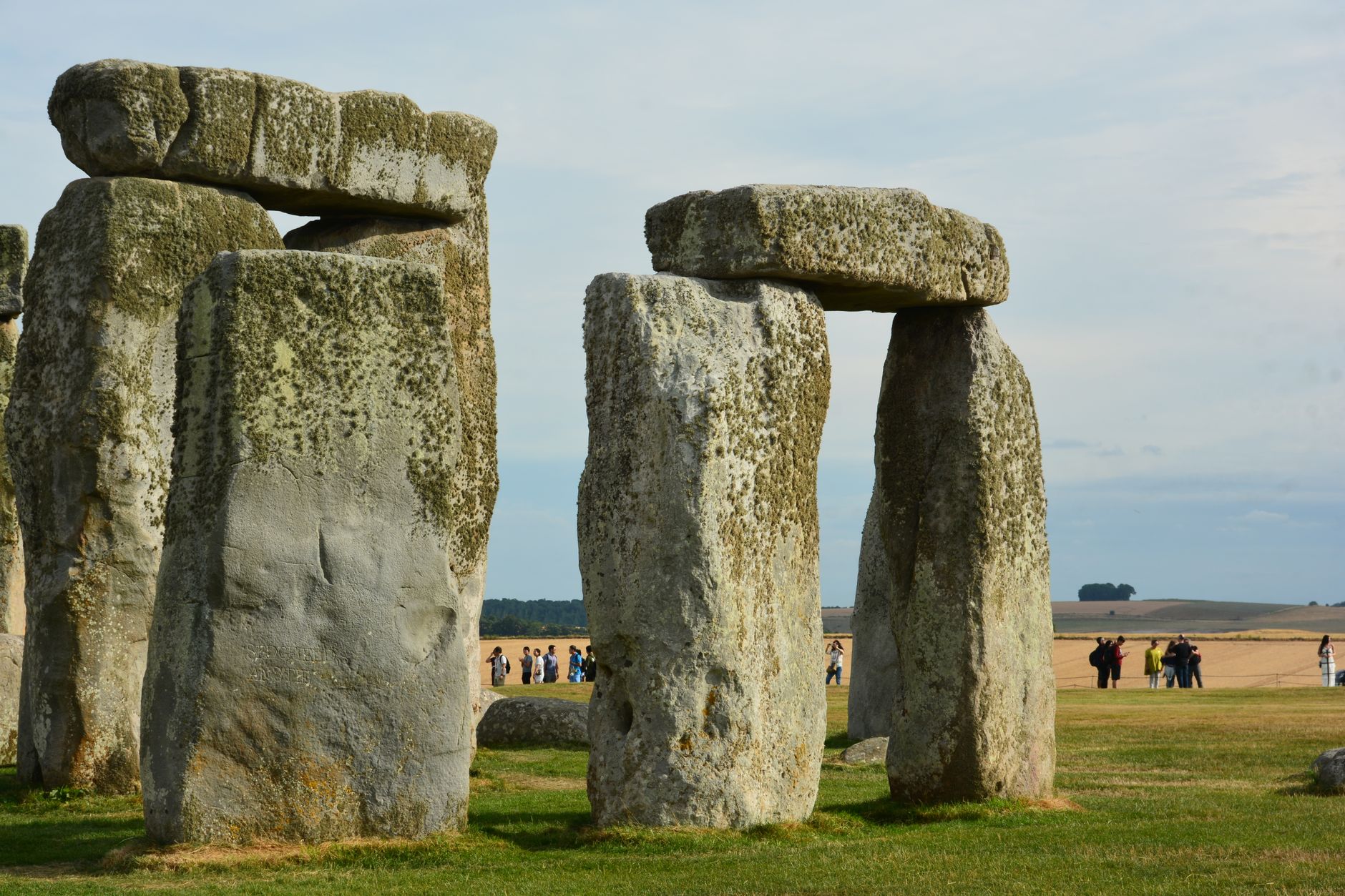
Stonehenge is an iconic prehistoric monument that draws visitors from around the world. Traveling to this ancient site raises a common question: how close can you actually get to these legendary stones? In this article, we will explore the best ways to experience Stonehenge, including visitor access, nearby attractions, and trip planning tips.
Whether you are a history enthusiast, a casual traveler, or part of a family on a vacation, understanding your options for visiting Stonehenge will enhance your experience. Let’s dive into the details to help you make the most of this remarkable destination.
How Close Can You Get To Stonehenge?
As of now, visitors to Stonehenge are allowed to get within 5 to 10 meters of the stones themselves, but physical contact with them is prohibited. Guided tours on special occasions allow for closer access. Regular admission allows for a great view while maintaining the preservation of the site.
Overview of Stonehenge
Stonehenge is located in Wiltshire, England, and is believed to date back over 5,000 years. This UNESCO World Heritage site is famous for its mysterious stone circle and aligns with the solstices, highlighting its significance in ancient astronomy and spirituality. Visitors will find the expansive lands surrounding the monument equally intriguing, with a rich history that can captivate various interests.
Getting to Stonehenge
Finding your way to Stonehenge is relatively straightforward. Its location is well-connected by public transport and road links. Here are several common approaches to reach the site:
By Car
- From London: Drive west on the M3 towards the A303. Follow signs for Stonehenge.
- From Bath: Take the A36 to the A303, also following signs for Stonehenge.
On-site parking is available but can be limited during peak hours. Arrive early to secure a spot.
By Public Transport
The best way to reach Stonehenge via public transport includes the following options:
- Train: Take a train to Salisbury, which is about 8 miles from Stonehenge. Regular services run from London, Bath, and Exeter.
- Bus: From Salisbury, you can catch the Stonehenge Tour Bus, which provides direct access to the monument.
For those traveling without a car, this public transport option is effective and stress-free.
Visitor Experience
The visitor experience at Stonehenge is tailored to ensure safety and respect for the site’s cultural significance. Here are essential details about what you can expect:
Opening Hours and Admission Fees
Stonehenge typically operates year-round, with varying hours based on the season. Check the official website for current operational hours and entrance fees, as these details can fluctuate. Advanced booking is recommended, especially during peak tourist seasons.
Visitor Center
Before approaching the stones, visitors can spend time at the on-site visitor center. It features a modern exhibition showcasing artifacts and information about the site’s history and significance. A café and gift shop are also available, making it a good place to recharge after your journey.
What to Expect When Visiting
Upon arrival at Stonehenge, you’ll begin your visit at the visitor center before proceeding to the stones. Here are some vital details about the experience:
Access to the Stones
Visitors may walk along a designated path that leads around the stones. While you cannot touch or walk directly among them, the surrounding pathways provide remarkable views and photo opportunities. On solstices and specific events, limited access may allow proximity to the stones for a more intimate experience.
Audio Guide and Tours
It is advisable to consider getting an audio guide or joining a guided tour. Educational presentations enhance your understanding of the significance of the stones and what they represent. Additionally, the audio guide offers flexibility, allowing you to explore at your own pace.
Best Time to Visit Stonehenge
Your experience at Stonehenge can vary greatly depending on the time of year. Understanding the seasonal trade-offs will help you decide when to visit:
Summer vs. Winter
- Summer (June-August): Longer days and pleasant weather create ideal visiting conditions, but be prepared for larger crowds.
- Winter (December-February): Winter offers a unique, less crowded experience, yet it can be cold and wet. The Winter Solstice is a popular event.
Spring and Autumn
Spring (March-May) and Autumn (September-November) offer moderate weather and fewer visitors, making these seasons ideal for an enhanced experience.
Nearby Attractions
Stonehenge is surrounded by other historical and cultural sites that make perfect day trips. Here are some notable nearby attractions:
Salisbury
Just a short drive from Stonehenge, Salisbury features a stunning cathedral with the tallest spire in England and a preserved copy of the Magna Carta. The city is charming, with numerous shops and restaurants, making it worth a visit.
Avebury
Avebury is home to another prehistoric stone circle and is less crowded than Stonehenge. Visitors can stroll around the village, which is built within the stone circle. The Avebury henge and various burial mounds provide an insightful look into Britain’s ancient past.
Old Sarum
Visit Old Sarum for a glimpse into the region’s ecclesiastical and military history. This Iron Age hill fort offers panoramic views and fascinating remains, including an early medieval cathedral.
Accommodation Options
There are multiple accommodation options near Stonehenge, catering to various budgets. Here are some recommendations based on traveler types:
Hotels
- Luxury: Consider staying at the Four Seasons Hotel in Hampshire, which offers lavish amenities and beautiful grounds.
- Mid-range: The Cathedral Hotel in Salisbury is conveniently located with comfortable facilities.
- Budget: YHA Stonehenge offers dormitory-style accommodations in a friendly, communal environment.
Campsites
If you prefer a more outdoor experience, consider camping at Stonehenge Campsite, allowing for easy access to the monument while enjoying nature.
Planning Your Visit
Here are a few practical tips to keep in mind when planning your trip to Stonehenge:
What to Bring
- Walking Shoes: Prepare for walking on uneven surfaces.
- Weather Gear: Dress in layers and bring waterproofs, especially in winter.
- Camera: Capture the stunning views of the stones and surrounding landscapes.
Health and Safety Considerations
Be mindful of the weather and stay hydrated. Ensure you follow safety guidelines, such as keeping to designated paths to protect both yourselves and the site.
Accessibility Considerations
Access to Stonehenge is generally wheelchair-friendly, with paved pathways from the visitor center to the stones. Facilities at the visitor center accommodate those with mobility impairments. Review any special needs with the official website ahead of your visit to ensure a great experience.
Conclusion
Stonehenge offers a rich tapestry of history, culture, and stunning landscapes. While you may not be able to touch the stones, the experience of standing so close to such an iconic site is profound. Whether you’re traveling solo, as a family, or with friends, take advantage of the surrounding attractions and recommended accommodations.
Plan your trip accordingly, keeping in mind the best times to visit and the nearby experiences that will enhance your journey. Your adventure to Stonehenge is just beginning; prepare for an exploration that resonates with the echoes of history.
For more travel inspiration, consider exploring related destination guides such as The Moody Tourist, or read about what to see in Dublin.