
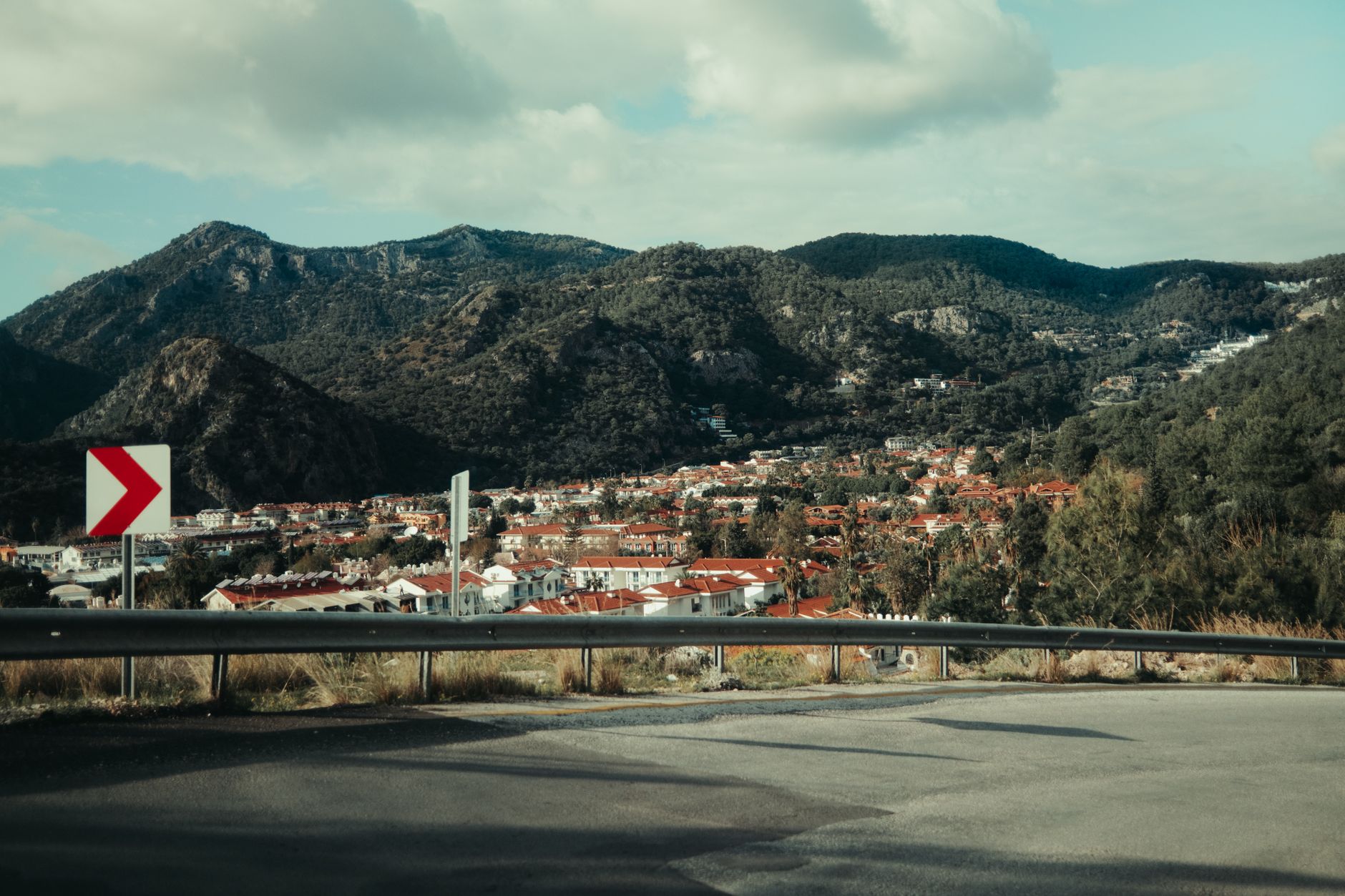
Located in the heart of Montana, the community of Big Sky offers breathtaking landscapes and a host of outdoor activities appealing to a wide range of travelers. Situated roughly 50 miles from Bozeman, this renowned destination is well worth the visit for those seeking adventure or relaxation amidst stunning natural beauty.
Traveling from Bozeman to Big Sky is straightforward, making it an excellent option for day trips or extended stays. Whether you’re interested in skiing, hiking, or enjoying local cuisine, knowing how far Big Sky is from Bozeman will help you plan your journey and maximize your experience.
How Far Is Big Sky From Bozeman?
The distance from Bozeman to Big Sky is approximately 50 miles (80 kilometers) by road. Depending on the route taken and traffic conditions, the drive typically takes around 1 to 1.5 hours. The most common route involves taking US-191 S, a scenic drive that showcases Montana’s natural beauty.
Getting to Big Sky from Bozeman
Traveling from Bozeman to Big Sky can be done through various modes of transportation, each offering its advantages. Below is a breakdown of the most viable options.
By Car
- Driving: The most popular way to reach Big Sky is by car. Renting a vehicle provides the flexibility to explore the surroundings at your own pace. Along the way, you can enjoy picturesque views of mountains, rivers, and wildlife.
- Estimated Time: The drive typically takes about 1 to 1.5 hours, depending on road conditions and traffic.
- Route Options: The primary route is via US-191 S. This road offers stunning landscapes and is well maintained, providing safe travel year-round.
By Shuttle
- Shuttle Services: Multiple companies operate shuttle services between Bozeman and Big Sky, making it an easy option for visitors who prefer not to drive.
- Booking: It’s recommended to book your shuttle in advance, especially during peak tourist seasons to ensure availability.
By Public Transportation
- Bus Services: Public bus services like the Gallatin Valley Transit may offer routes that connect Bozeman to Big Sky. However, options may be limited compared to driving or shuttle services.
- Check Schedules: Always check the latest schedules online, as they can vary by season.
Things to Do in Big Sky
Big Sky boasts a wealth of outdoor activities and attractions that cater to different interests. Whether you are a thrill-seeker or prefer a leisurely day outdoors, there’s something for everyone.
Winter Activities
- Skiing and Snowboarding: Big Sky Resort is famous for its extensive ski slopes and diverse terrain, attracting winter sports enthusiasts from around the world.
- Snowshoeing and Cross-Country Skiing: If downhill skiing isn’t your speed, there are gorgeous trails for snowshoeing and cross-country skiing.
- Snowmobiling: Explore the backcountry on a snowmobile tour, offering a thrilling way to experience the winter landscape.
Summer Activities
- Hiking: With numerous trails of varying difficulty, hikers can find everything from simple walks to challenging backcountry adventures.
- Mountain Biking: The area has excellent mountain biking opportunities, giving riders a chance to explore the terrain from a different perspective.
- Fishing: The Gallatin River provides fantastic fishing spots for enthusiasts aiming to catch trout amidst beautiful surroundings.
Year-Round Attractions
- Big Sky Town Center: This vibrant area features shops, restaurants, and bars, providing a great place to unwind after a day of exploring.
- Dining: From casual eateries to upscale dining, Big Sky offers a variety of culinary experiences that highlight local flavors.
- Wildlife Viewing: Keep an eye out for local wildlife, including elk, deer, and moose, particularly in the early morning or late afternoon.
Where to Stay in Big Sky
Finding the right accommodations in Big Sky is crucial for maximizing your experience. Depending on your budget and preferences, there are several options available.
Luxury Lodging
- Big Sky Resort: Known for its slopeside access and luxurious amenities, this resort offers various lodging options like condominiums and hotels.
- Uley’s Cabin: This upscale cabin-style lodge features rustic charm with modern comforts, perfect for a cozy mountain getaway.
Mid-Range Options
- Huntley Lodge: Located within the Big Sky Resort area, this lodge offers convenient access to the mountains while providing comfortable accommodations.
- Alpenglow Condominiums: Ideal for families or groups, these condos provide ample space and a homey atmosphere.
Budget-Friendly Choices
- Hostels: Depending on availability, some hostels in the area offer affordable accommodations with shared facilities.
- Camping: For the outdoor enthusiast, campgrounds in and around Big Sky provide an opportunity to immerse yourself in nature without breaking the bank.
Seasonal Considerations
The best time to visit Big Sky largely depends on your planned activities. Here’s a breakdown of seasonal highlights throughout the year.
Winter (December to March)
- Best for skiing and snow-related activities. Expect heavy snowfall and colder temperatures.
- Book accommodations and lift tickets in advance, as this is peak season.
Spring (April to June)
- The weather begins to warm up, and the snow melts, perfect for hiking and enjoying the blooming flora.
- Fewer crowds typically mean more opportunities to explore without lines.
Summer (July to August)
- Ideal for hiking, mountain biking, and outdoor festivals. Warm weather brings in a lot of visitors, so plan ahead.
- Wildflowers bloom extensively, enhancing the already beautiful landscapes.
Fall (September to November)
- Fall foliage provides stunning views, making it a picturesque time for photographers and hikers.
- The cooling temperatures may reduce crowds, so it’s great for peaceful explorations.
Travel Budget Considerations
Budgeting for your trip is essential to ensure a smooth experience. Here are key aspects to consider when planning your finances.
Transportation Costs
- Gas: If driving, budget for gas costs based on your vehicle’s mileage and current fuel prices.
- Shuttle Services: Consider the price of shuttle services, especially if traveling during peak seasons.
Accommodation Costs
- Luxury Hotels: Prices vary, with higher costs in peak seasons. Confirm current rates before booking.
- Mid-Range and Budget Options: More affordable choices typically range widely; research ahead for the best deals.
Activity and Dining Expenses
- Outdoor Activities: Prices for ski passes, equipment rentals, or guided tours can add up, so inquire about multi-day discounts.
- Dining: Plan restaurant visits within your budget—consider enjoying meals at lower-cost options for lunch and saving more expensive dinners for special evenings.
Packing Guide for Big Sky
Proper packing ensures you’re prepared for the varying types of weather and activities you may encounter in Big Sky. Here’s a helpful packing list.
Essential Items
- Clothing:
- Layered clothing for temperature changes, including base layers, fleece, and waterproof outer layers.
- Comfortable shoes for hiking and ski gear for winter.
- Outdoor Gear:
- Hiking boots, ski goggles, waterproof gloves, and hats are essential for colder months.
- Daypack for carrying water, snacks, and essentials during excursions.
- Health and Safety Items:
- First aid kit, sunscreen, and bug spray, particularly in summer months when insects can be an issue.
- Map or GPS device for navigation—cell service can be spotty in some areas.
Accessibility and Safety Tips
While Big Sky is generally safe and accessible, keeping in mind some precautions can enhance your experience.
Accessibility
- Most major areas in Big Sky are accessible by road. Be aware that some routes may be less maintained in winter.
- If traveling with a wheelchair or mobility device, call ahead to inquire about the accessibility of specific attractions.
Safety Considerations
- Be cautious of wildlife while hiking or driving, especially during dawn and dusk.
- Stay hydrated and aware of altitude sickness if you aren’t acclimated to living in high elevations.
Mapping out your trip from Bozeman to Big Sky can lead to a memorable experience in one of Montana’s most stunning regions. With its outdoor activities, beautiful scenery, and various accommodation options, planning a journey is both manageable and enjoyable. Whether you choose to visit in winter to hit the slopes or in summer for hiking and biking, you’ll find that Big Sky is well worth the drive.
Ready to dive deeper into your travel planning? Explore our guides such as the best time to visit Yellowstone or check out how far is Murrieta from San Diego for more travel insights.