
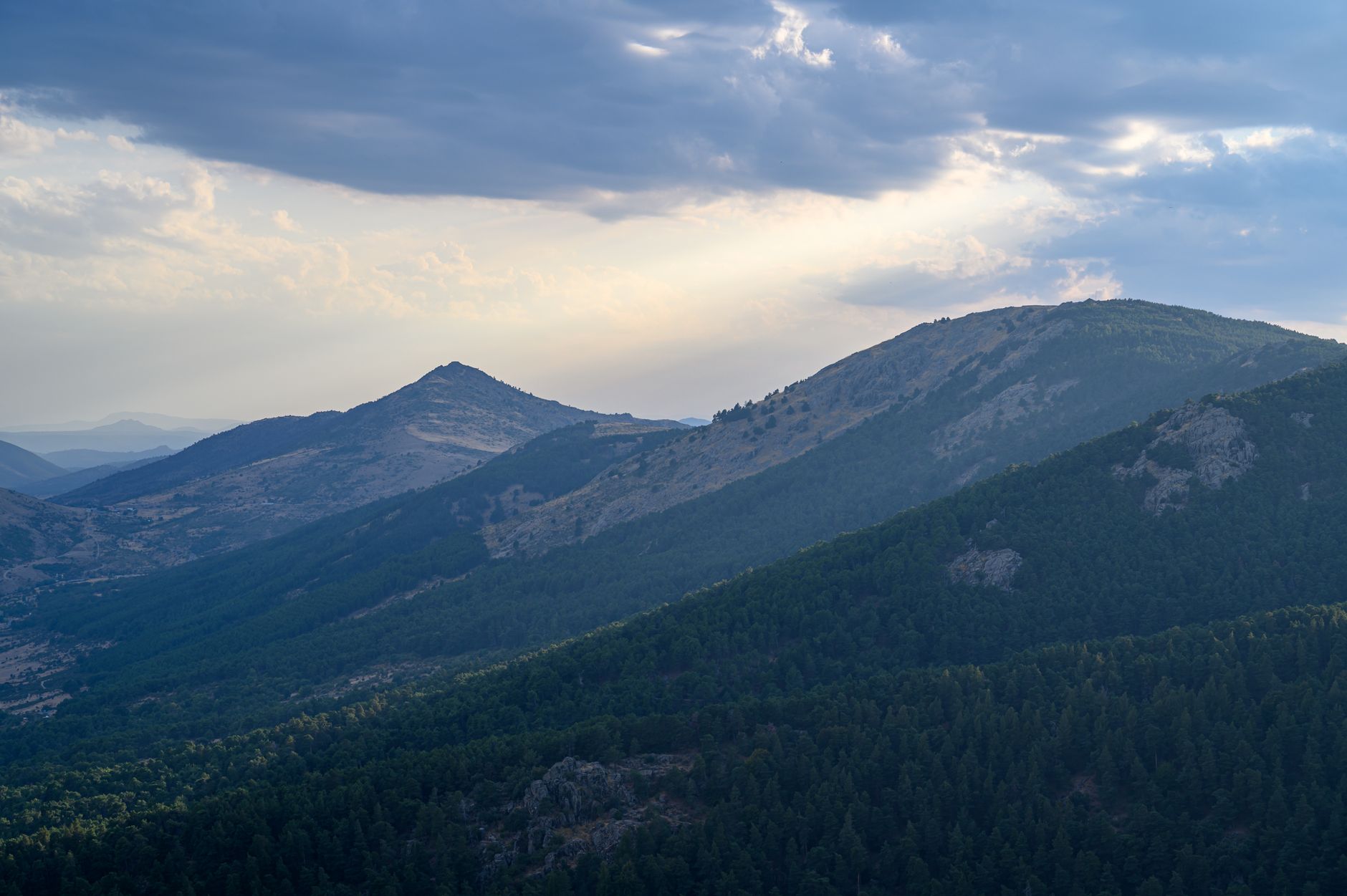
Grand Teton National Park and Yellowstone National Park are two of the most visited national parks in the United States, known for their stunning landscapes, diverse wildlife, and outdoor adventures. While they can be explored independently, many travelers want to experience both during a single trip. This brings up the question: how far is Grand Teton from Yellowstone?
The distance between Grand Teton National Park and Yellowstone National Park varies depending on the route taken. Typically, the two parks are about 30 miles apart when accessed via the most direct routes. However, travel times can vary due to road conditions and seasonal closures.
How Far Is Grand Teton From Yellowstone?
The distance from the South Entrance of Yellowstone to the Grand Teton National Park is approximately 30 miles, translating to about 45 minutes to an hour of driving time, depending on the road conditions and stops along the way. Travelers can enter both parks and maximize their experience with careful planning.
Best Ways to Travel Between the Parks
When it comes to traveling between Grand Teton and Yellowstone, there are several options available:
By Car
- Driving Route: The most straightforward route is to take U.S. Route 191/287 from the South Entrance of Yellowstone to Grand Teton National Park. The drive offers scenic views and access to various attractions along the way.
- Travel Time: Expect about 45 minutes of travel time, though this can increase if you make any stops or if there is heavy traffic.
Shuttle Services
Shuttle services operate between the two parks, providing a convenient option for visitors. These services typically run during the summer season and may have limited schedules in shoulder seasons. Be sure to check availability and book in advance.
Guided Tours
Numerous guided tours offer transportation between Grand Teton and Yellowstone, often leading you through key landmarks and attractions in both parks. This is a good option for those who want a more educational experience without the hassle of navigating themselves.
Attractions and Things to Do in Both Parks
With both parks located so close to each other, visiting them in tandem allows for a well-rounded experience of natural beauty and wildlife. Here are some of the must-see attractions in each park.
Attractions in Grand Teton National Park
- Jenny Lake: One of the most popular spots in Grand Teton, Jenny Lake offers breathtaking views of the Teton Range. Activities include hiking, canoeing, and scenic drives.
- Jackson Lake: Larger than Jenny Lake, Jackson Lake is known for fishing, boating, and its stunning views. Be sure to stop at the Signal Mountain Summit for panoramic vistas.
- Grand Teton: The park’s namesake peak draws climbers and hikers. There are various trails available that lead to awe-inspiring viewpoints.
- Wildlife Viewing: Grand Teton is home to diverse wildlife, including moose, elk, and bears. Early morning or late evening offer the best chances for sightings.
Attractions in Yellowstone National Park
- Old Faithful Geyser: One of the most famous geysers in the world, Old Faithful erupts approximately every 90 minutes, making it an impressive sight.
- Yellowstone Lake: The largest high-elevation lake in North America, Yellowstone Lake is great for fishing, kayaking, and photography.
- Grand Canyon of the Yellowstone: Boasting stunning views and hiking opportunities, this canyon is a focal point in the park.
- Wildlife Watching: Yellowstone is renowned for its diverse ecosystem. Engage in wildlife watching opportunities around Lamar Valley and Hayden Valley.
Where to Stay in the Area
Finding convenient lodging can enhance your experience when visiting Grand Teton and Yellowstone. Here are some recommendations.
Accommodations Near Grand Teton
- Jackson Lake Lodge: Located within Grand Teton, this lodge offers stunning views and easy access to park trails.
- Signal Mountain Lodge: This waterfront lodge features cabins and rustic accommodations, perfect for families or groups.
- CAMPING: Several campgrounds exist within Grand Teton, including Jenny Lake Campground and Gros Ventre Campground, providing a more immersive park experience.
Accommodations Near Yellowstone
- Parks’ Lodges: Within Yellowstone, the park offers lodges, such as Mammoth Hot Springs Hotel and Old Faithful Inn, providing a unique overnight experience.
- West Yellowstone: Just outside the park’s West Entrance, numerous hotels and motels offer convenience and easy access to the park.
- CAMPING: Yellowstone has plenty of campgrounds, like Bridge Bay Campground and Canyon Campground for those seeking a budget-friendly option or a chance to sleep under the stars.
When to Visit Both National Parks
The timing of your visit can significantly impact your experience in these beautiful national parks.
Summer (June to August)
- Best for: Hiking, camping, and family trips.
- Weather: Warm and pleasant, with daytime temperatures ranging from the 70s to 80s°F.
- Considerations: This is peak tourist season, so expect larger crowds and book accommodations well in advance.
Fall (September to October)
- Best for: Fewer crowds, beautiful fall foliage, and wildlife migrations.
- Weather: Cooler temperatures and crisp air as summer ends.
- Considerations: Some facilities may close after Labor Day, check availability before planning your trip.
Winter (November to March)
- Best for: Winter sports like skiing and snowshoeing.
- Weather: Cold with snowfall, particularly at higher elevations.
- Considerations: Many roads in Yellowstone are closed to vehicles; check park accessibility beforehand.
Spring (April to May)
- Best for: Wildflower blooming and wildlife births.
- Weather: Variable, with chances of snow, rain, or sunny days.
- Considerations: Some park facilities may remain closed until late May; verify details before traveling.
Suggested Length of Stay
To fully appreciate both Grand Teton and Yellowstone, consider a stay of at least 5 to 7 days. This allows for ample time to explore all major attractions, engage in recreational activities, and even enjoy unexpected encounters with nature.
- Days 1-2: Explore Grand Teton—hiking, scenic drives, and wildlife watching.
- Days 3-4: Move on to Yellowstone—visit Old Faithful, Grand Canyon, and wildlife-rich areas.
- Days 5-6: Continue your exploration, perhaps revisiting favorite spots or discovering new ones.
- Day 7: Enjoy a leisurely day before heading out; this could involve a final hike or soaking in beautiful vistas.
Budget Considerations
Traveling to these national parks requires careful budgeting for accommodations, activities, meals, and entrance fees:
- Entrance Fees: Entrance to Yellowstone and Grand Teton costs $35 per vehicle and is valid for seven days. Consider the America the Beautiful pass if visiting multiple parks.
- Accommodations: Prices vary widely depending on location, season, and lodging options, so researching ahead is key.
- Food Expenses: Dining options are limited within the parks, so plan to bring snacks and meals, especially if you’re camping.
- Activities: Many activities like hiking are free, but guided tours and rentals (bikes, boats) may have fees, so budget accordingly.
Practical Travel Tips
Planning a trip to Grand Teton and Yellowstone can be straightforward with these practical tips:
- Plan Early: Peak season draws many visitors. Book accommodations and transportation in advance.
- Pack Layers: Weather can be unpredictable. Dress in layers for optimal comfort.
- Wildlife Safety: Maintain safe distances from wildlife and follow park guidelines to ensure your safety and their well-being.
- Carry Water: Stay hydrated during hikes and outdoor activities. Bring sturdy refillable bottles.
Accessibility Considerations
Both Grand Teton and Yellowstone strive to accommodate all visitors to the best of their abilities. However, here are some important considerations:
- Both parks offer accessible restrooms and some trails designed for those with mobility challenges.
- Plan routes carefully; some areas may have limited accessibility. Check park websites for current information.
- Accessible parking is available throughout the parks at key attractions. Visitors should be mindful of their pace and take breaks as necessary.
Family and Solo Travel
Whether traveling as a family, solo, or with friends, both parks provide a range of activities suitable for different interests.
Family Travel
- Families can engage in ranger-led programs, suitable for kids of all ages.
- Child-friendly hikes like the Lakeshore Trail at Jenny Lake offer stunning views without being overly strenuous.
- Packing games and educational materials can enhance the experience while exploring these natural surroundings.
Solo Travel
- Solo travelers may enjoy the freedom to explore at their own pace. Activating your senses among nature breeds mindfulness.
- Consider joining group tours or programs to meet fellow adventurers if desired.
The proximity of Grand Teton National Park and Yellowstone National Park makes it feasible to experience both in one trip, and careful planning will ensure you have a rewarding journey. With stunning scenery, abundant wildlife, and countless outdoor activities, you’ll leave with memories that stay long after your visit.
Explore more about the best restaurants in Park City and other travel-planning tips by visiting The Moody Tourist.