
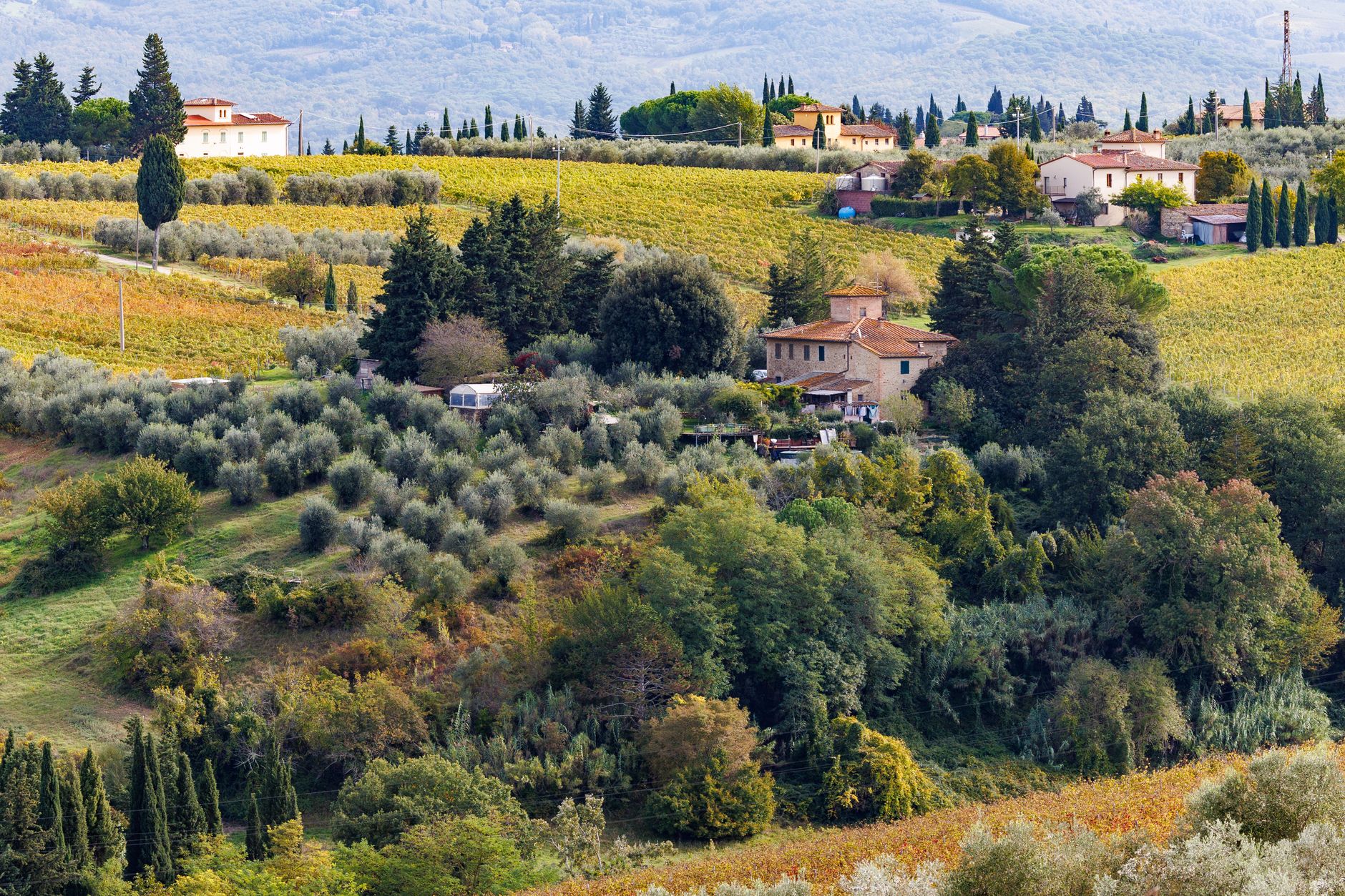
Tuscany is one of Italy’s most enchanting regions, known for its stunning landscapes, rich history, and exceptional cuisine. Many travelers often wonder how far Tuscany is from Milan, particularly if they are planning a trip to explore both areas. Understanding the distance and travel options can significantly enhance your travel experience.
This guide will provide you with everything you need to know about getting from Milan to Tuscany, including travel times, transportation options, and suggestions for where to visit in Tuscany once you arrive.
How Far Is Tuscany From Milan?
The distance from Milan to Tuscany varies depending on which city in Tuscany you are traveling to. Milan is approximately 300 kilometers (about 186 miles) from Florence, the capital of Tuscany. The easiest and most common routes to reach Tuscany from Milan lead through Florence or Pisa.
By car, the journey can take around 3 to 4 hours depending on traffic conditions, while traveling by train usually takes about 1.5 to 2 hours with direct services available.
Understanding Transportation Options
There are several convenient options for traveling from Milan to Tuscany. Each has its pros and cons, so your choice may depend on factors such as budget, travel time, and personal preference.
1. By Train
Trains are one of the most popular ways to travel from Milan to Tuscany, providing comfort and speed without the hassles of driving. The following points summarize what you need to know:
- Trains run frequently between Milan and major Tuscan cities, especially Florence and Pisa.
- High-speed trains, operated by Trenitalia and Italo, can get you to Florence in approximately 1 hour and 40 minutes.
- Tickets can range from €20 to €50, depending on how early you book and the class selected.
- Buying tickets in advance online can save time and guarantee you a seat.
2. By Car
Driving from Milan to Tuscany can be a rewarding experience, as it allows you to explore the beautiful scenery of the Italian countryside. Key considerations include:
- The driving distance is about 300 kilometers (186 miles). Major routes include the A1 Autostrada which connects Milan to Florence directly.
- The journey typically takes around 3 to 4 hours, depending on traffic and stops you may wish to make along the way.
- Be prepared for tolls on the highways, which can add to your travel costs. Renting a car also comes with its own fees and insurance.
- Parking can be challenging in major cities, so it may be worth considering park-and-ride options, especially in Florence.
3. By Bus
Buses are usually the most economical option, although they take longer than trains. Important points include:
- Traveling by bus typically takes about 4 to 5 hours.
- FlixBus operates services from Milan to Florence, Pisa, and other cities in Tuscany.
- Tickets can be quite affordable, often between €10 to €25 if booked in advance.
- Buses depart from different points in Milan; make sure to check your specific bus terminal.
4. Private Transfer Services
If convenience and luxury are key for your trip, consider booking a private transfer. This option provides a seamless and personalized experience:
- Services can be arranged to pick you up at your accommodation and drop you directly at your chosen destination in Tuscany.
- While this option is typically more expensive, it offers individual comfort and door-to-door service.
- Prices for a private transfer can range significantly based on distance and provider, usually starting at around €200.
Highlights of Tuscany: Must-See Cities
Once you arrive in Tuscany, you will find yourself in a region rich with attractions and experiences. Here are some of the cities and areas you should consider exploring:
Florence
The capital of Tuscany, Florence is a jewel of Renaissance art and architecture. Key attractions include:
- The Duomo: A magnificent cathedral with its stunning dome designed by Brunelleschi.
- The Uffizi Gallery: Home to masterpieces by Botticelli, Michelangelo, and Da Vinci.
- Ponte Vecchio: A picturesque medieval bridge lined with shops selling gold and silver jewelry.
- The Accademia Gallery: Don’t miss the opportunity to see Michelangelo’s famous statue of David.
Siena
Siena is famed for its medieval architecture and vibrant history. Highlights of this city include:
- Piazza del Campo: A beautiful square known for the Palio horse race held twice a year.
- Siena Cathedral: A Gothic masterpiece with stunning interior decorations.
- The Torre del Mangia: Climb the tower for spectacular views of the city and surrounding countryside.
Pisa
.Famous for its iconic Leaning Tower, Pisa also boasts rich history and stunning architecture:
- Pisa’s Miracle Square: A UNESCO World Heritage site featuring the Leaning Tower, the Baptistery, and the Cathedral.
- Campo Santo: A monumental cemetery rich in art and history.
- The Arno River: Stroll along the riverbanks for picturesque views of the city.
Lucca
Known for its well-preserved Renaissance walls, Lucca offers a quieter Italian experience:
- Walk or bike on the entire city wall for remarkable views.
- Visit the Cathedral of San Martino, which features an impressive facade.
- Enjoy local cuisine at rustic trattorias.
Travel Tips for Tuscany
To make the most of your trip to Tuscany, consider the following travel tips:
- Check the weather: Tuscany experiences hot summers and mild winters. Plan your visit accordingly.
- Make reservations: Popular attractions and restaurants can fill up quickly, so it’s wise to make reservations in advance.
- Learn basic Italian phrases: While many locals speak English, knowing some Italian will help enrich your experience.
- Taste local wines: Tuscany is renowned for its wines, like Chianti and Brunello di Montalcino. Consider wine tastings during your visit.
Accommodation Options in Tuscany
Where to stay in Tuscany largely depends on your travel style and budget. Here are some options to consider:
Luxury Hotels
For those seeking the highest levels of comfort and service, Tuscany features several high-end hotels:
- Villa Cora in Florence: A stunning villa with fine dining and beautiful gardens.
- Castello di Casole: A luxury hotel set in an ancient castle, ideal for a romantic getaway.
Mid-Range Hotels
For a balance of comfort and affordability, check out:
- Hotel Brunelleschi in Florence: Centrally located with modern amenities.
- Palazzo Ravizza in Siena: A charming hotel with historical significance.
Budget Accommodation
If you’re looking to save on lodging, there are hostel and budget hotel options:
- Ostello Gallo D’Oro in Florence: A friendly hostel close to the city center.
- Hotel Belsoggiorno in Pisa: Budget-friendly with convenient access to the Leaning Tower.
When To Visit Tuscany
The best time to visit Tuscany depends largely on your preferences for weather and crowds. Here’s a seasonal breakdown:
Spring (March to May)
This is ideal for those looking to avoid summer crowds and enjoy blooming landscapes. Temperatures are mild, making for comfortable exploration.
Summer (June to August)
Summer brings high temperatures and an influx of tourists. While the atmosphere is lively, be prepared for larger crowds and higher accommodation prices.
Autumn (September to November)
Autumn offers beautiful foliage and the harvest season, perfect for food and wine lovers. It’s generally a popular time for tourists, so early bookings are advised.
Winter (December to February)
Winter can be quiet and serene, particularly in Tuscany’s smaller towns. However, some businesses may have reduced hours, and temperatures can be chilly.
Budget Considerations
Traveling in Tuscany can be tailored to fit a range of budgets. Consider the following aspects:
- Transportation is generally well-priced; trains usually offer the best value when booked in advance.
- Dining can range from budget-friendly trattorias to high-end restaurants. Local markets offer great opportunities for affordable meals.
- Entry fees for major attractions vary. Many museums offer discounted rates on specific days.
Exploring Day Trips from Milan and Florence
Milan serves as a great base for exploring surrounding regions. Here are a few day trip options that are within easy reach:
Como Lake
Just a short train ride from Milan, Lake Como features stunning scenery, charming towns, and endless outdoor activities.
Cinque Terre
A bit further away, but worth it for its breathtaking coastal views and colorful cliffside villages, Cinque Terre can be done in a long day trip from Florence.
San Gimignano
This medieval town with its iconic towers is a great day trip from both Milan and Florence, offering a glimpse into the region’s history.
Practical Tips for Traveling in Tuscany
When navigating Tuscany, keep the following practical tips in mind:
- Public transportation is reliable, but renting a car may be necessary for more remote areas.
- Be mindful of local customs, like respecting meal times and dress codes at religious sites.
- Always carry cash, as some smaller establishments may not accept cards.
Milan and Tuscany are both incredible destinations that showcase the best of Italy’s culture, history, and breathtaking scenery. With efficient travel options and a variety of experiences waiting for you, exploring Tuscany from Milan is not just feasible, but highly rewarding.
To enhance your culinary journey in Italy, consider checking out our recommendations for the best restaurants in Florence and best restaurants in Milan.