
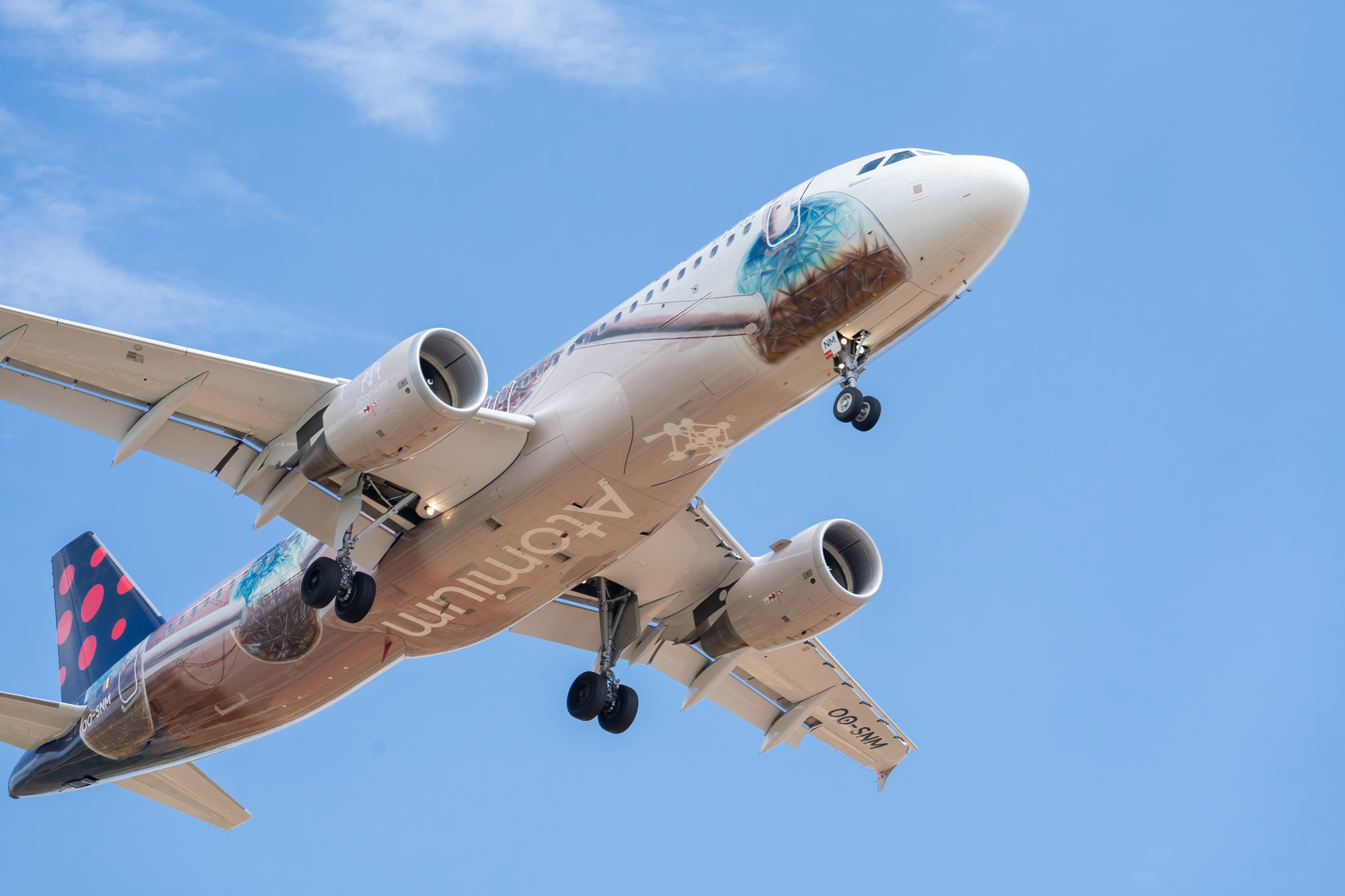
Understanding how fast planes take off is essential for both frequent flyers and those new to air travel. The speed at which an aircraft must travel to become airborne varies based on several factors, including the type of plane, runway conditions, weather, and weight. This article serves as an in-depth guide to takeoff speeds, as well as practical insights for travelers.
By the end of this article, you’ll have a clearer picture of how planes achieve lift and what influences their takeoff speeds. Whether you’re planning your next flight or simply curious about aviation, this information will enhance your travel knowledge.
How Fast Do Planes Take Off?
Planes take off at speeds typically ranging between 150 to 200 knots, equivalent to about 173 to 230 miles per hour. Factors such as aircraft type, passenger load, and environmental conditions can significantly affect this speed. Achieving the right speed is crucial for the aircraft to generate enough lift to ascend into the sky.
Understanding Takeoff Speed
Takeoff speed is not a fixed number; it varies based on different criteria. The primary factors that determine takeoff speed include:
- Aircraft Type: Smaller planes generally require lower speeds compared to larger commercial airliners.
- Weight: Heavier loads require higher speeds for takeoff since it takes more lift to overcome the aircraft’s weight.
- Runway Length and Slope: Shorter runways may require the plane to reach its takeoff speed quickly, while uphill slopes can necessitate more power and speed.
- Weather Conditions: Wind conditions, particularly headwinds, can influence takeoff speed. Planes require less speed when taking off into the wind.
- Altitude: Air density changes with altitude. At higher elevations, planes require higher takeoff speeds due to decreased lift.
Factors Affecting Takeoff Speed
1. Aircraft Type
The type of aircraft plays a significant role in determining the takeoff speed. For instance:
- Light Aircraft: Smaller planes, like Cessnas, may take off at speeds of around 50 to 70 knots.
- Regional Jets: Aircraft like Bombardier’s CRJ series may take off at 120 to 130 knots.
- Commercial Airlines: Larger planes, such as the Boeing 737, usually achieve takeoff speeds between 150 and 180 knots.
- Large Aircraft: Planes like the Boeing 747, often used for long-haul flights, typically require about 180 to 220 knots for takeoff.
2. Weight
The weight carried by the plane, including passengers, cargo, and fuel, has a direct impact on how fast it must be traveling to become airborne. Heavier planes need to reach greater speeds, meaning flight crews closely monitor load limits and distribution to ensure safe takeoff performance.
3. Runway Conditions
Runway length, surface quality, and incline all affect takeoff speed. Longer runways allow aircraft to reach their necessary speeds more gradually and safely. Conversely, shorter runways mean pilots must accelerate quickly, which can be especially crucial for smaller airports.
Runway conditions, such as wet or icy surfaces, can also create additional drag. Extra care must be taken in these situations to ensure safe takeoff speeds are met.
4. Weather Conditions
Weather plays an influential role in takeoff performance. Factors to consider include:
- Winds: A headwind can reduce the required takeoff speed, while a tailwind may necessitate an increase.
- Temperature: Hot weather can reduce air density and lift, meaning pilots may need to account for higher speeds in these conditions.
- Visibility: Rain, fog, or snow can influence pilot decisions during takeoff and departures.
5. Altitude
Higher elevations present unique challenges for takeoffs. As air density decreases in high-altitude locations, aircraft must achieve greater speeds to compensate for reduced lift. Airports located in mountainous regions often require planes to follow specific procedures to ensure sufficient lift during departure.
Why Do Planes Need to Reach a Specific Speed for Takeoff?
The primary reason planes need to reach specific speeds before takeoff is to achieve sufficient lift. Lift is created when air moves over and under the airplane’s wings. The wings are designed to have a shape that allows air to flow faster over the top than beneath, resulting in lower pressure above the wing. This pressure difference generates lift.
For a plane to become airborne, it must reach a speed where this lift force exceeds the weight of the aircraft. Each plane is built with a specified “stall speed,” which is the minimum speed at which the aircraft can maintain level flight. Reaching and exceeding this stall speed before takeoff is critical for a safe ascent.
The Takeoff Process Explained
The takeoff process consists of several crucial steps that navigate the plane safely from the ground into the sky. Here’s a breakdown of what occurs during takeoff:
- Pre-Flight Checks: Pilots conduct extensive pre-flight checks ensuring systems are functional, load distribution is correct, and weather conditions are suitable.
- Taxiing: Once passengers have boarded, the aircraft is cleared to taxi toward the runway. Taxiing allows the plane to warm up engines and prepare for takeoff.
- Takeoff Clearance: The control tower provides clearance for takeoff when conditions are safe.
- Acceleration: Upon entering the runway, pilots increase throttle to accelerate, and the plane begins to roll. Passengers may feel a slight jolt as the aircraft speeds up.
- Rotation: At the predetermined speed, the pilot pulls back on the control yoke, raising the nose of the aircraft. This action is referred to as rotation, and it’s the moment the plane is expected to lift off.
- Ascent: Once airborne, the aircraft continues to climb until reaching cruising altitude.
Tips for Travelers: What to Expect During Takeoff
For those new to flying, understanding what to expect during takeoff is beneficial. Here are some tips to make your experience smoother:
- Choose Your Seat Wisely: If you prefer less turbulence and a smoother experience, sitting toward the front of the plane is generally preferred.
- Secure Your Belongings: Keep your seatbelt fastened and belongings stowed during takeoff. Loose items can become projectiles in the event of unexpected turbulence.
- Understand Safety Protocols: Familiarize yourself with the safety briefing given by flight attendants and know the location of emergency exits.
- Be Mindful of Pressure Changes: As the plane ascends, you may experience changes in cabin pressure. Chewing gum or swallowing can help alleviate discomfort in your ears.
- Enjoy the View: Takeoff provides stunning views, especially when flying over scenic landscapes or city skylines.
Safety Considerations During Takeoff
Takeoff is one of the most critical phases of flight. Safety measures are taken seriously to ensure a smooth departure. Here are some important considerations:
- Pilot Training: Pilots undergo rigorous training, including simulator exercises for handling various takeoff scenarios, to ensure preparedness for any potential issues.
- Maintenance Checks: Aircraft undergo regular maintenance and inspection to ensure all parts are functioning optimally before flights.
- Emergency Procedures: Airlines have established protocols in the event of an emergency before or during takeoff. Cabin crew are trained to handle unplanned situations effectively.
Understand Takeoff Speeds for Popular Aircraft
Familiarizing yourself with the takeoff speeds of popular aircraft can enhance your appreciation of aviation. Here’s a concise overview:
| Aircraft Model | Typical Takeoff Speed (Knots) |
|---|---|
| Cessna 172 | 60 |
| Embraer E175 | 140 |
| Boeing 737-800 | 150 |
| Boeing 747-400 | 180 |
Conclusion
Understanding how fast planes take off involves recognizing various influencing factors from aircraft type to weather conditions. A solid grasp of these elements can ease anxiety about flying and enhance your overall travel experience.
As you prepare for your next journey, remember to pay attention to takeoff speeds and other flight-related insights to make your trip as enjoyable as possible. For more detailed travel guides and tips, consider exploring resources like the best restaurants in Phoenix Airport or the best restaurants in Atlanta Airport.