
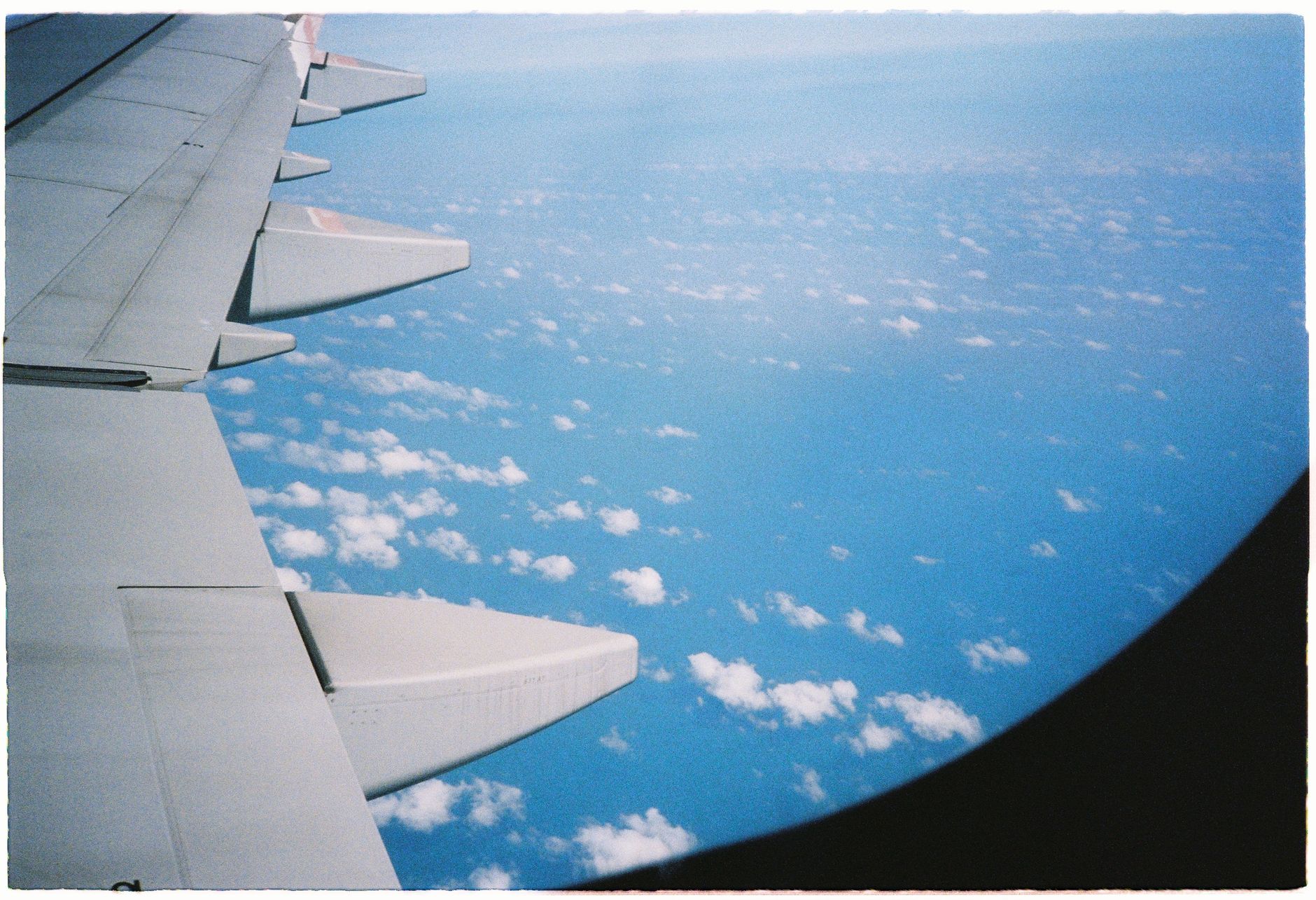
Planning a trip to New Zealand involves multiple considerations, one of which is how long your flight will take. The duration can vary significantly based on your departure location, layovers, and chosen airline. Understanding these factors is crucial for setting realistic expectations and planning your itinerary.
This article dives into the typical flight durations from various global hotspots to New Zealand, explores the best times to fly, and offers tips on how to make your journey smoother. Knowing what to expect on your flight can help you prepare better and perhaps even enjoy the experience.
How Long Is Flight To New Zealand?
The flight duration to New Zealand can range from approximately 12 to over 20 hours, depending on the departure city and any layovers involved. Direct flights from major cities, such as Los Angeles or Sydney, are shorter, while flights from Europe or further regions may take longer due to multiple stops.
Flight Times from Key Departure Cities
When considering a flight to New Zealand, the major departure cities often dictate travel time. Below is a breakdown of typical flight durations from various regions of the world:
North America
- Los Angeles (LAX): A direct flight to Auckland usually takes about 12-13 hours.
- San Francisco (SFO): Approximately 13-14 hours for direct flights to Auckland.
- New York City (JFK): Expect around 17-19 hours, depending on layovers.
- Chicago (ORD): Between 17-20 hours, typically with one or two layovers.
Australia
- Sydney (SYD): A direct flight takes about 3 hours to reach Auckland.
- Melbourne (MEL): Roughly 3 to 4 hours for direct flights to Auckland.
- Brisbane (BNE): A direct flight usually takes about 3.5 hours.
Europe
- London (LHR): Expect around 24-26 hours, including layovers, as there are no direct flights.
- Frankfurt (FRA): A combined total of around 20-23 hours, usually with one stop.
- Amsterdam (AMS): Approximately 20-22 hours, generally with one or two layovers.
Asia
- Tokyo (NRT): Direct flights to Auckland take about 10-12 hours.
- Hong Kong (HKG): Approximately 9-10 hours on direct flights.
- Singapore (SIN): A direct flight typically ranges from 10-11 hours to reach Auckland.
Flight Availability and Options
Several airlines operate flights to New Zealand, and the options you have depend on your departure airport. Some notable carriers include:
- Air New Zealand
- Qantas
- United Airlines
- American Airlines
- Singapore Airlines
Most of these airlines offer both direct and connecting services to Auckland (AKL), Wellington (WLG), and Christchurch (CHC)—the major international gateways into New Zealand. Booking your flight well in advance often provides better choices and competitive prices.
Best Times to Fly to New Zealand
The timing of your travel can significantly impact your flight options and experience. Here’s a breakdown of when to fly:
High Season (December to February)
Summer in New Zealand attracts a large number of tourists. Flights tend to be crowded, and prices are generally higher. However, this is a great time for outdoor activities and festivals.
Shoulder Season (September to November and March to May)
The weather remains pleasant, and the crowds are thinner, making it an excellent choice for those looking to enjoy milder temperatures and lower prices. Flights may have better availability.
Low Season (June to August)
Winter means fewer travelers, leading to better deals on flights and accommodations. This season is perfect for skiing in places like Queenstown but might be less appealing for outdoor adventures in warmer climates.
Length of Stay Recommendations
New Zealand is vast, and how long to stay often depends on the specific regions you want to visit. Here’s a basic rundown of how many days you might want to allocate:
- One Week: Expect to focus on one main island—either the North or South Island. You can see key highlights but won’t be able to experience everything.
- Two Weeks: Ideal for exploring both islands. Allocate a few days to major cities like Auckland, Wellington, and Christchurch, alongside natural attractions like the Bay of Islands and Queenstown.
- Three Weeks or More: This allows for a more relaxed pace to truly experience New Zealand’s diverse landscapes and activities.
Tips for Making Your Flight More Comfortable
Long-haul flights can be taxing, but a little preparation can go a long way. Here are some practical tips:
- Choose the Right Seat: Consider booking either an aisle or a bulkhead seat for extra legroom.
- Dress Comfortably: Opt for loose-fitting clothing and bring layers to accommodate varying cabin temperatures.
- Stay Hydrated: Airplane cabins are known for being dry, so drink water throughout the flight.
- Move Around: Take breaks to stretch and walk around to keep your circulation flowing.
- Sleep Strategy: Adjust your sleep schedule a few days before departure if possible to combat jet lag.
Getting to New Zealand
If you are visiting from another country, flying is your primary option for reaching New Zealand. However, once you land, a variety of transportation methods are available:
Domestic Flights
New Zealand’s geography features a multitude of beautiful locations that are not easily accessible by road. Domestic flights are available and can save time for reaching far-flung areas.
Rental Cars
For those looking to explore at their own pace, renting a car offers flexibility. Major cities and airports have car rental options with various providers.
Buses and Shuttles
Intercity buses and shuttles operate between major towns and attractions. This is a cost-effective way to travel but can be slower than other modes of transportation.
Trains
Train travel in New Zealand provides a scenic glimpse of the landscape, especially on popular routes like the Northern Explorer or the TranzAlpine. However, train services are limited.
Accommodation in New Zealand
Your accommodation choices will depend significantly on your travel style and budget. Here are some options:
Hotels and Resorts
Major cities feature a range of hotels, from luxury resorts to budget-friendly options. Areas near tourist attractions often have higher rates.
Hostels
For budget travelers, hostels provide shared or private rooms at lower rates. They are well-suited for backpackers and solo travelers.
Airbnb and Vacation Rentals
Utilizing platforms like Airbnb can offer unique stays and often come with the facilities of home, such as kitchens and laundry.
Camping and Glamping
For adventure seekers, camping allows you to immerse yourself in nature, while glamping offers a more luxurious take on the experience.
Budget Considerations for Your Trip
Understanding the costs can help you manage your budget effectively. Here’s a breakdown of likely expenses:
Flights
Prices vary significantly by season and departure point, with roundtrip fares from North America ranging from $800 to $2,500 or more.
Accommodations
- Hotels: Prices can range from $100 to $500+ per night.
- Hostels: Expect to pay about $20-$50 per night.
- Airbnb: Prices vary widely, typically starting at $75.
Daily Expenses
Plan for food, activities, and transportation costs, which can range from $50 to $200+ per day, depending on your travel style.
Safety and Accessibility in New Zealand
New Zealand is generally considered a safe destination, with low crime rates, but visitors should still exercise common sense. Here are some points to consider:
- Travel Insurance: Always a good idea for peace of mind regarding medical emergencies or trip interruptions.
- Emergency Services: Dial 111 for police, fire, or ambulance services.
- Accessibility: Keep in mind that while urban areas are often accessible, rural regions may have limited infrastructure.
Frequently Asked Questions
Do I need a visa to enter New Zealand?
Visa requirements vary based on your nationality. Always check the most current regulations before you travel.
What is the best time to book my flight?
Booking about three to six months in advance generally yields better fares, especially for high-season travel.
Summary
Understanding flight durations, availability, and other logistical aspects is vital for planning your trip to New Zealand. Whether you are embarking from North America, Europe, Asia, or Australia, knowing what to expect can alleviate stress and enhance the travel experience. Aim for a stay that allows you to soak in the diverse offerings of this remarkable country.
Next, consider exploring related destination guides and travel-planning articles such as How Long Is The Flight To China and How Long Is The Flight From New York To California to inspire your next adventures.