
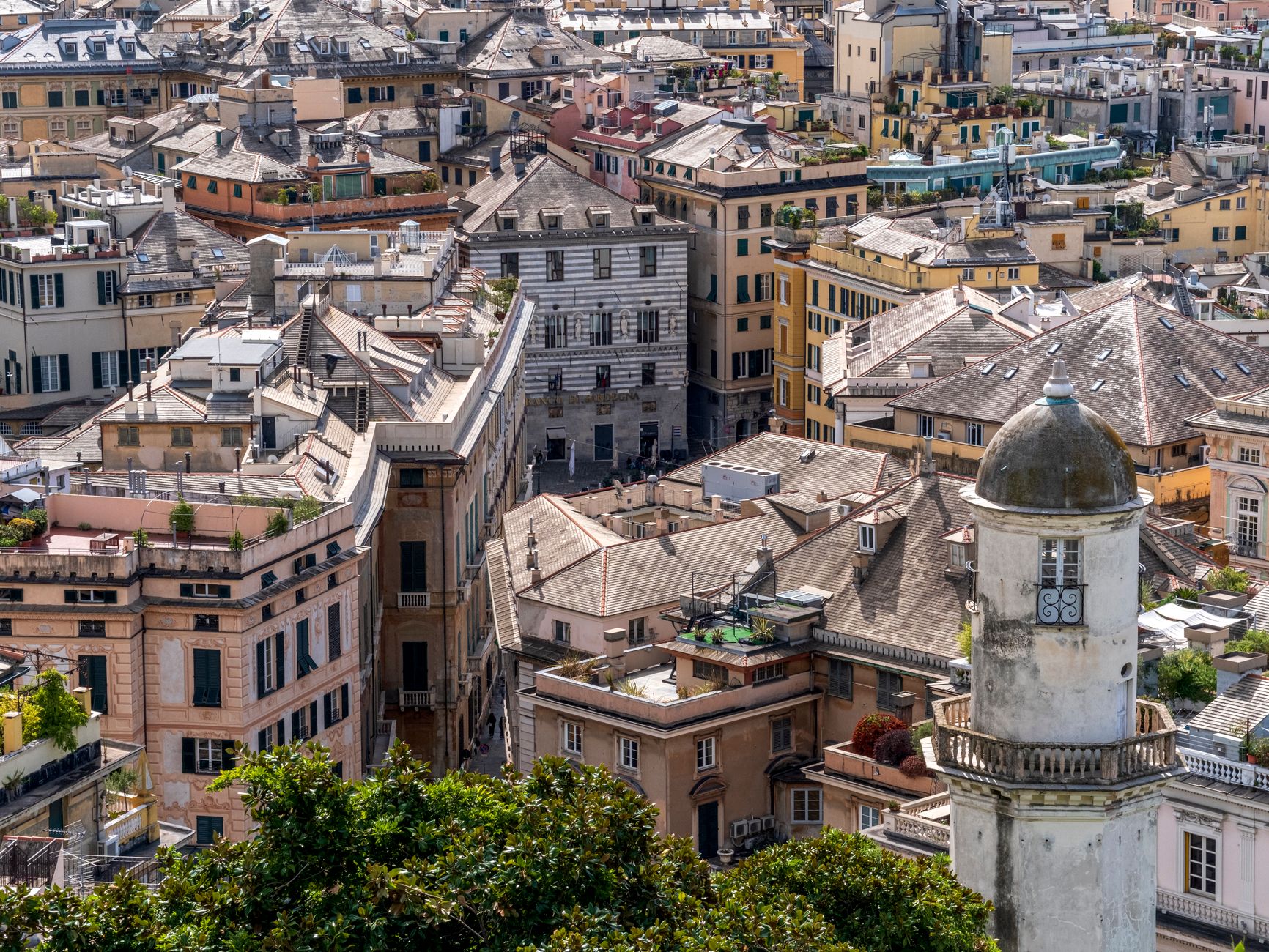
When planning a trip to Rome, one question often arises: how many days do I need in the Eternal City? The answer depends on your interests, pace of travel, and what you want to experience. Rome is brimming with history, culture, and cuisine, making it essential to tailor your itinerary to maximize enjoyment. In this article, we’ll explore the ideal duration for a visit to Rome and provide insights into the must-see attractions, local experiences, and practical tips for your stay.
For a well-rounded experience, a stay of four to six days in Rome is generally recommended. This duration allows enough time to cover the main attractions, immerse yourself in local culture, and enjoy leisurely meals, while still leaving room for spontaneity. Let’s delve into how you can make the most of your time in this historic city.
How Many Days Do I Need In Rome?
The ideal length of stay in Rome typically ranges from four to six days, depending on your travel priorities. With this timeframe, you can comfortably see major sights, explore neighborhoods, and soak in the city’s vibrant atmosphere.
What Makes Rome Worth Visiting?
Rome’s charm lies in its rich tapestry of history, art, and culture. Its ancient ruins such as the Colosseum and Roman Forum coexist with world-class museums and charming piazzas. The city’s culinary scene offers everything from hearty pasta dishes to elegant Michelin-star dining experiences. Whether you are an art lover, history enthusiast, or foodie, Rome has something for everyone.
Who Should Visit Rome?
Rome caters to a wide range of travelers. Families can enjoy engaging activities, couples can embrace the romantic ambiance, and solo travelers will find plenty of opportunities to explore and meet others. Whether visiting for leisure, inspiration, or adventure, Rome delivers unforgettable experiences.
Suggested Itinerary for Four to Six Days
A well-structured itinerary is crucial for making the most of your days in Rome. Here’s a day-by-day guide for a four to six-day trip:
Day 1: Arrival and Historic Center
- Check into accommodation and refresh.
- Stroll through the historic center, starting at Piazza Navona.
- Visit the Pantheon, marveling at its impressive dome.
- Enjoy dinner in Trastevere, sampling local Roman cuisine.
Day 2: Ancient Rome
- Start the day at the Colosseum; pre-book tickets to avoid long lines.
- Explore the Roman Forum and Palatine Hill for a glimpse into ancient Rome.
- Have lunch nearby, trying a classic Roman dish like pasta all’amatriciana.
- Take a leisurely stroll through the Capitoline Museums, known for their Greco-Roman sculptures.
- Enjoy the evening at the charming streets of Monti.
Day 3: Vatican and the City’s Treasures
- Dedicate the morning to the Vatican Museums, including the Sistine Chapel.
- Explore St. Peter’s Basilica; don’t forget to climb to the dome for unparalleled views.
- Visit Castel Sant’Angelo for a dose of history and fantastic skyline views.
- Unwind with gelato from a local gelateria and relax in the surrounding parks.
Day 4: Culture and Art
- Begin your day at the Borghese Gallery, home to stunning art.
- Wander through Villa Borghese gardens for a refreshing break.
- Explore the Spanish Steps and the nearby shopping streets.
- Spend the evening in the trendy district of Testaccio, known for its culinary delights.
Day 5: Day Trip Options
If you decide on a six-day itinerary, consider taking a day trip. Options include:
- **Tivoli**: Visit Villa d’Este and Hadrian’s Villa.
- **Ostia Antica**: Explore the ancient port city.
- **Florence**: A high-speed train can get you to Florence in about 1.5 hours, perfect for exploring art and culture.
Day 6: Local Experience and Leisure
- Spend your final day exploring lesser-known neighborhoods like Testaccio or Garbatella.
- Savor a cooking class or enjoy a food tour for an interactive experience.
- Wrap up your trip with a farewell dinner at a local trattoria.
Transportation in Rome
Rome offers multiple transportation options, making it relatively easy to navigate the city.
Public Transportation
The city’s public transport includes buses, trams, and metro lines. Consider purchasing a Roma Pass if you plan on using public transport frequently; it provides access to public transport and discounted entry to major attractions.
Walking
Rome is a tremendous city for walking. Many attractions are located within close proximity, and walking allows for spontaneous discoveries in charming streets and piazzas.
Biking and Scooters
Bicycles and electric scooters are also available for rent, offering a fun way to explore the city while enjoying the outdoors.
Accommodation Options
Finding the right place to stay is essential for an enjoyable visit. Rome offers a wide range of accommodation options for different budgets.
Central Areas to Stay
- **Historical Center**: Ideal for first-time visitors; close to most attractions.
- **Trastevere**: Offers a vibrant local atmosphere with many dining options.
- **Monti**: Known for its bohemian vibe and boutique hotels.
- **Vatican City**: Convenient for those focusing on Vatican sights.
Types of Accommodation
You can choose from luxurious hotels to budget-friendly hostels or Airbnb apartments. Consider your priorities—do you want luxury, local charm, or affordability? Book early, especially if visiting during peak travel season.
When to Visit Rome
The best times to visit Rome are during the spring (April to June) and early autumn (September to October). During these months, the weather is generally pleasant, and the tourist crowds are relatively manageable. July and August can be hot and crowded, while winter months may bring rain but fewer tourists.
Budget Considerations
Rome offers various experiences and activities for every budget. Here are some considerations:
Accommodation Costs
Expect to pay more for central locations. Prices can vary widely; budget travelers can find hostels for as low as €20, while mid-range hotels generally start at €100 per night. Luxury hotels will cost significantly more.
Attraction Fees
Many historic sites charge entrance fees. For example, the Colosseum ticket price may range from €12 to €18, while Vatican Museums tickets can cost around €17. Pre-booking can often save time and sometimes money.
Food and Dining
Dining can range from inexpensive pizza slices and pasta dishes for as little as €8–€15 to fine dining experiences costing €40 or more. Explore local trattorias for authentic cuisine and value.
Practical Travel Tips
- Book tickets for popular attractions in advance.
- Learn a few basic Italian phrases; locals appreciate the effort.
- Stay hydrated, especially during summer months.
- Be cautious of pickpockets, especially in crowded areas.
- Use cash for small purchases, as some places may not accept credit cards.
Accessibility and Safety Considerations
Rome can be a bit challenging for those with mobility issues due to cobblestone streets and stairs. However, many major attractions offer assistance. It’s advisable to check each site for accessibility options.
As with travel in any major city, be mindful of your surroundings and take basic safety precautions, especially in crowded places.
Final Thoughts
In summary, a trip to Rome is best enjoyed over four to six days. This timeline allows you to see major attractions, embrace the local atmosphere, and sample the city’s culinary delights without feeling rushed. Plan according to your interests, and consider a mix of major sites and hidden local spots for an enriching experience.
Ready to dive into the flavors of Italy? Explore our guides on best restaurants in Italy or best restaurants in Sorrento for more culinary inspiration.