
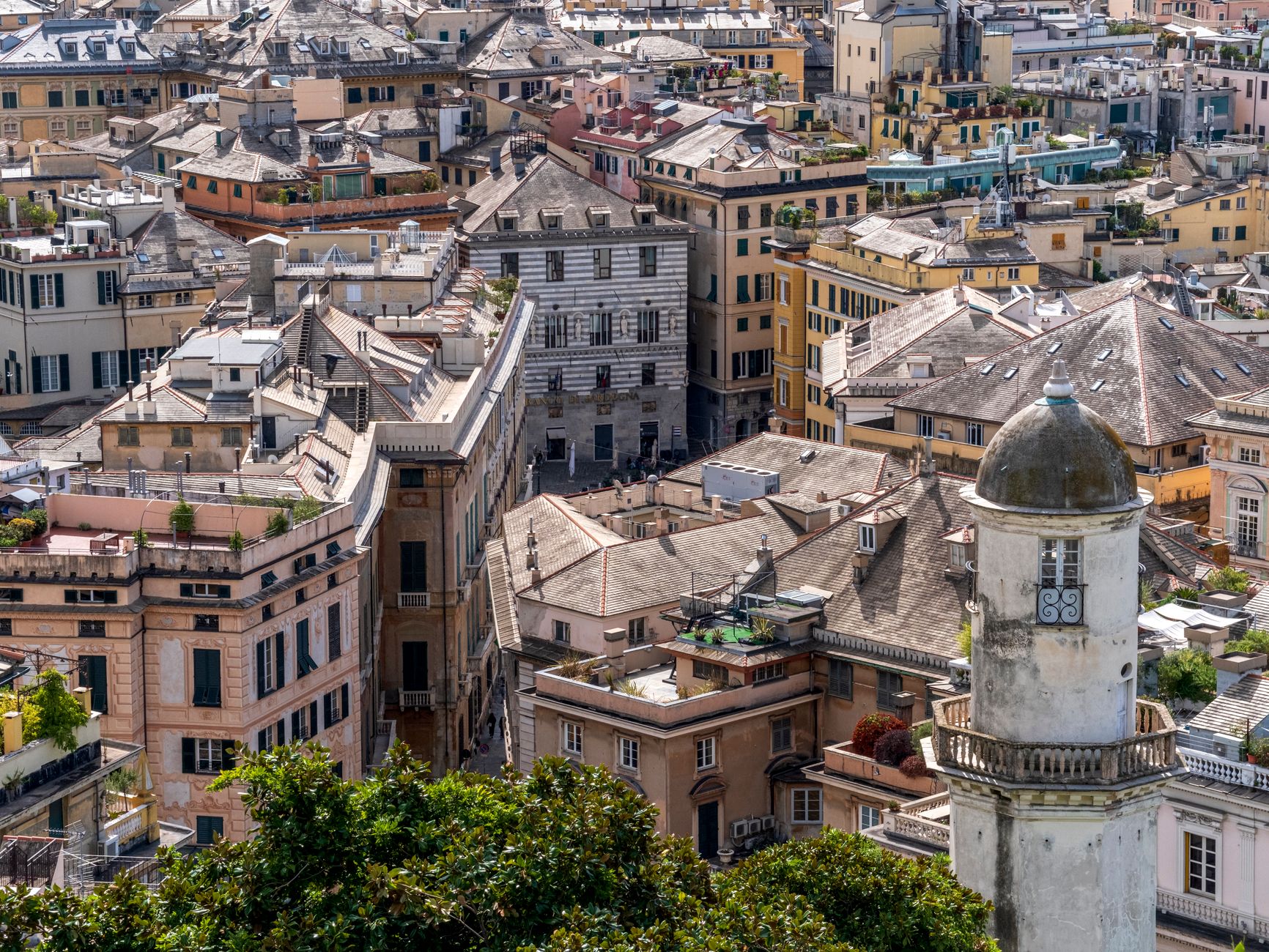
Rome, the Eternal City, is a treasure trove of history, art, and culture, making it a compelling destination for travelers from all walks of life. The question often arises: how many days in Rome is enough to experience its wonders? This guide will provide the insights you need to plan your trip effectively, account for all must-see attractions, and ensure your stay is as fulfilling as possible.
Determining the perfect length of stay in Rome hinges on several factors including your interests, travel pace, and planned itinerary. This article will break down the ideal duration for different types of travelers, must-visit sights, practical tips, and more, ensuring you make the most of your time in Rome.
How Many Days In Rome Is Enough?
For a basic introduction to the city’s highlights, a three-day trip offers a well-rounded experience. However, to dive deeper into its culture and cuisine, five to seven days is optimal. This allows for a mix of sightseeing, leisure, and local exploration.
Ideal Length of Stay for Different Traveler Types
Cultural History Enthusiasts
If you’re captivated by history and art, consider a stay of five to seven days. This duration allows for ample time to visit major landmarks such as the Colosseum, Roman Forum, Vatican Museums, and more.
Food and Wine Lovers
For those with a focus on culinary experiences, a week in Rome can be delightful. It affords enough time to indulge in food tours, visit renowned restaurants, and even take a cooking class.
Families
Traveling with family? A five-day trip provides a blend of activities that will keep both children and adults engaged. You can split days between visiting attractions and enjoying downtime in parks or gelato shops.
Solo Travelers
If you’re exploring on your own, three to five days will allow for a mix of guided tours and leisurely exploration at your own pace, ensuring you can soak in the ambiance of the city.
Essential Attractions to Include in Your Itinerary
Whether you are in Rome for three days or a week, certain landmarks deserve a place on your itinerary. Here’s a rundown of essential sights based on the number of days you plan to spend.
Three-Day Itinerary
- Day 1: Start with the Colosseum and Roman Forum. In the afternoon, stroll through the picturesque streets of Trastevere.
- Day 2: Dedicate this day to Vatican City. Explore St. Peter’s Basilica and the Vatican Museums.
- Day 3: Visit the Trevi Fountain, Pantheon, and Piazza Navona. Finish your day at the Spanish Steps.
Five-Day Itinerary
- Day 1: Colosseum and Roman Forum, followed by a visit to Palatine Hill.
- Day 2: Vaticano: St. Peter’s Basilica, Vatican Museums, and Sistine Chapel.
- Day 3: Discover Trastevere, visit the Santa Maria in Trastevere Church, and dine in the area.
- Day 4: Explore ancient sites like the Capitoline Museums and the Borghese Gallery.
- Day 5: Enjoy shopping and leisurely sightseeing; include the Spanish Steps and the Villa Doria Pamphili.
Seven-Day Itinerary
- Day 1: Begin with Colosseum, Roman Forum, and Palatine Hill.
- Day 2: Visit Vatican City: St. Peter’s Basilica, Vatican Museums, and explore the gardens.
- Day 3: Explore Trastevere and visit the Janiculum Hill for panoramic views of the city.
- Day 4: Discover the Capitoline Museums and enjoy a food tour in the Jewish Ghetto.
- Day 5: Day trip to Ostia Antica or Tivoli to see Villa d’Este and Hadrian’s Villa.
- Day 6: Visit the Borghese Gallery and stroll through the Villa Borghese gardens.
- Day 7: Free day for shopping or exploring hidden gems around Rome.
Transportation Guide: Getting Around Rome
Rome’s transport system includes buses, trams, and metro services that are relatively easy to navigate. Here’s how to make the most of it:
Public Transport
- Metro: Efficient for traveling between major attractions. The two lines are A (red) and B (blue).
- Buses: Extensive network that covers the city; useful for reaching areas not on the metro.
- Trams: Best for navigating some neighborhoods, particularly Trastevere.
Walking and Biking
Rome is a pedestrian-friendly city. Walking not only is one of the best ways to discover hidden spots but also allows you to appreciate its stunning architecture. Biking is becoming increasingly popular, with various bike rental services available.
Accommodation Guide: Where to Stay in Rome
Your stay should match your interests, budget, and desired proximity to attractions. Below are distinct areas that cater to different traveler preferences.
Historic Center
This area offers proximity to major attractions such as the Pantheon and Piazza Navona. Ideal for first-time visitors wanting to immerse themselves in Roman history.
Trastevere
Known for its charming streets and vibrant nightlife, this area is perfect for those interested in a local atmosphere with plenty of dining options.
Vatican City
If your itinerary includes extensive time at Vatican sites, staying nearby can save travel time and allow for early morning access to popular locations.
Monti
This hip area offers a blend of boutique shops and quirky cafes, making it a great choice for those looking to experience a trendy side of Rome.
When to Visit Rome
Understanding Rome’s seasonal nuances can significantly enhance your experience. Here’s a brief overview of what to expect throughout the year.
Spring (March to May)
Spring is one of the best times to visit Rome. The weather is pleasantly mild, and the city blooms with flowers, making it a delight to explore.
Summer (June to August)
While summer brings tourists and full crowds, it is also when most attractions have extended hours. However, it can be hot, so plan for breaks during the midday heat.
Fall (September to November)
Another prime time to visit, fall provides cooler temperatures. The city’s cultural activities begin to ramp up post-summer, offering more events and festivals.
Winter (December to February)
Winter sees fewer tourists, making it easier to access attractions without long lines. However, some sites may have reduced hours during this season.
Budget Considerations: How Much to Expect
Budgeting for a trip to Rome can vary widely depending on accommodation, dining preferences, and activities. Here’s a breakdown of estimated costs:
Accommodation
- Budget: Hostels and budget hotels can range from €20 to €80 per night.
- Mid-Range: Hotels or B&Bs typically range from €100 to €200 per night.
- Luxury: High-end hotels can start at €250 and can go well beyond €500 per night.
Food
- Budget Meals: Expect to pay around €10 to €15 for a quick meal or pizza.
- Mid-Range Restaurants: A meal can cost between €30 to €60, typical for a three-course meal.
- High-End Dining: Fine dining can set you back €100 or more per person.
Attractions
Many attractions incur fees, so plan for entry costs. For example, the Colosseum and Vatican Museums have entrance fees. Consider purchasing a Roma Pass for discounted rates on entry and transport.
Packing Tips for Your Roman Adventure
What should you pack for Rome? Here are some essentials to consider:
- Comfortable shoes: Expect to walk a lot.
- Layers: Weather can change, and evenings can be cooler.
- Adapters: Ensure you have travel adapters for your electronics.
- Portable charger: To stay powered during long sightseeing days.
- Lightweight bag: For excursions and day trips.
Dining: What to Eat and Drink in Rome
Roman cuisine is a highlight, featuring hearty dishes and delicious wines. Here are some must-try foods:
Traditional Dishes
- Carbonara: A classic pasta dish made with eggs, cheese, pancetta, and pepper.
- Cacio e Pepe: Simple yet flavorful, this pasta dish features cheese and pepper.
- Supplì: Fried rice balls filled with tomato sauce and mozzarella.
- Roman-style pizza: Thin crust, baked in a wood-fired oven.
Wine and Gelato
Pair your meals with a glass of local wine, such as Frascati, and don’t forget to indulge in gelato from one of the city’s many gelaterias for a refreshing treat.
Accessibility and Practical Considerations
Rome is generally accessible but can pose challenges due to cobblestone streets and public transport limitations. Consider the following:
For Families
Rome offers many family-friendly attractions. Be prepared with strollers or carriers for younger children as walking can be extensive.
For Solo Travelers
Rome is categorically safe, but still, exercise general safety precautions. Stay in well-populated areas, especially at night.
For Accessibility
Many major attractions have limited accessibility. It’s advisable to check in advance regarding wheelchair access or other specific needs.
Conclusion
The duration of your visit to Rome significantly influences your experience. While three days can provide a glimpse into its beauty, a week allows for a deeper connection with the city. With careful planning and consideration of your interests, any trip can become memorable.
For further insights on where to eat, check out the best restaurants in Rome. If you’re planning to explore Tuscany, the best restaurants in Florence offer delightful options. Your Roman holiday awaits!