
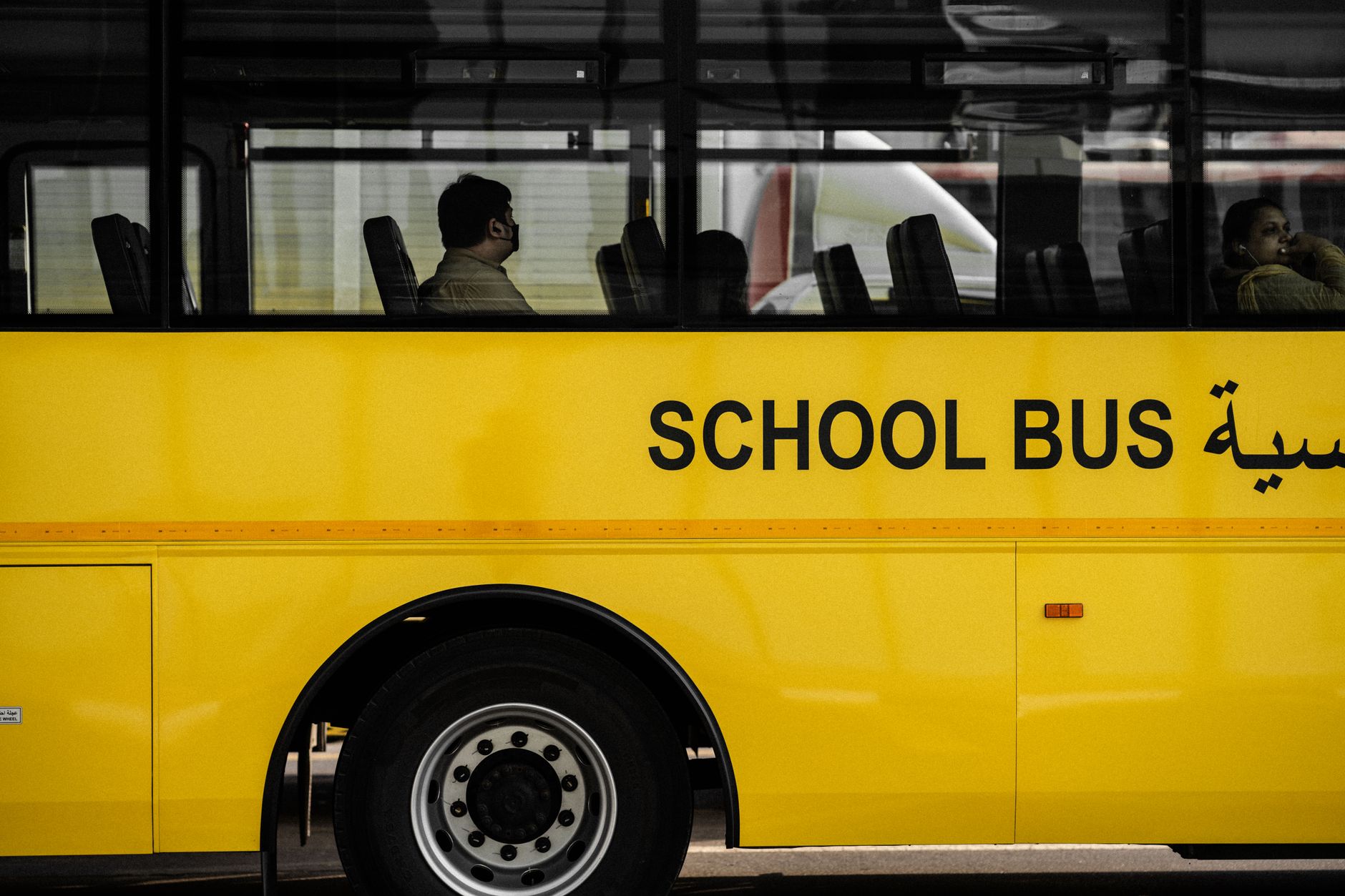
School buses are a common sight across many countries, serving an essential role in transporting students. Understanding how many people a school bus holds is crucial whether you’re planning a group field trip, a family outing, or looking to rent one for any travel-related purpose. This guide will explore the general capacity of school buses, variations, and practical considerations for your travel planning.
This article will not only answer your questions about school bus capacities but also provide insights on tips for planning group travel. Let’s dive deeper into the specifics of school bus sizes and what you can expect in terms of capacity.
How Many People Does A School Bus Hold?
The capacity of a standard school bus typically ranges from 60 to 80 passengers, depending on the size and configuration of the bus. Most commonly, a full-size school bus will accommodate about 77 passengers, while smaller models, such as minibuses, might seat 20 to 30 passengers.
Various factors contribute to the number of passengers a school bus can safely hold:
- Seating Configuration: School buses can be configured for both children and adults, with the type of seating impacting total capacity.
- Bus Size: The length of the bus plays a significant role, with longer buses accommodating more rows of seats.
- Safety Regulations: Design and safety regulations often dictate seating arrangements, particularly regarding seat widths.
Types of School Buses and Their Capacities
Understanding the different types of school buses can help clarify how many people each type holds. Here’s a look at the various types:
Full-Size School Buses
The standard full-size school bus is typically between 35 to 40 feet in length. These buses usually have around 13 to 16 rows of seats and can typically accommodate:
- 77 passengers (with a mix of adults and children)
- 90 children (if configured solely for elementary-aged students)
Minibuses
Minibuses are smaller versions of full-size buses, usually designed to carry between 20 to 30 passengers. They are often used for shorter routes or special needs transportation. Their capacities include:
- Up to 25 passengers for standard seating arrangements
- 20 passengers if accommodating special needs equipment
Transit Buses
Transit buses, while not strictly school buses, are often employed in school settings. These buses can hold anywhere from 40 to 60 passengers, depending on their size. Their capacity breakdown includes:
- 40 to 50 passengers for standard transit models
- Up to 60 for larger articulated or double-decker models
Practical Considerations When Chartering a School Bus
When planning to use a school bus for transportation, it’s essential to consider various factors beyond just passenger capacity. Here are some important considerations:
Booking in Advance
Because school bus capacities can impact your group travel, it is advisable to book well in advance, especially if traveling during peak school-related seasons. Schools may have certain buses available during summer or holiday breaks.
Seating Arrangements
Understanding how seating works is vital for transportation efficiency. Are all bus seats usable? Typically, no. Some buses will seat three children per seat, whereas adults will be seated two per seat.
Safety Regulations
Be aware of safety regulations, as they can dictate the maximum occupancy allowed on a school bus. Safety features such as seat belts may also impact total seating capacity on certain models.
Exploring Costs Associated with Renting a School Bus
Costs can vary widely when renting a school bus, and understanding price structures can help you plan your budget accordingly. Here’s a breakdown of potential costs:
Rental Fees
On average, renting a full-sized school bus may range from $100 to $300 for a half-day trip. For longer durations, expect fees to increase based on:
- Distance traveled
- Duration of the rental
- Seasonal demand and availability
Additional Costs
Consider additional costs such as:
- Driver fees, which can be separate from the bus rental price
- Fuel surcharges
- Tolls or parking fees
Budgeting Tips
For better budgeting, always confirm the details with the rental company. Asking about all potential hidden fees before finalizing the reservation can reduce unexpected costs.
Best Practices for Group Travel on a School Bus
Using school buses for group travel can be efficient but requires some organization. Here are some best practices:
Headcount Management
Before your trip, ensure you have a clear headcount of passengers. This will help determine which size bus you need and avoid exceeding capacity limits.
Assigning Seat Patterns
To make the journey smooth, assign seating patterns beforehand. Having a seating chart can prevent confusion on board and make the boarding process efficient.
Informing Passengers
Communicate essential information such as expected travel times, itinerary, and any stops along the route. Passengers will appreciate knowing what to expect.
Accessibility Considerations
Accessibility is a crucial aspect of school bus travel. Many modern school buses offer features to accommodate individuals with mobility impairments:
Wheelchair Accessibility
Some buses come equipped with wheelchair lifts or ramps to facilitate easy boarding. Make sure to inquire about the availability of these features when booking.
Seating Arrangements for Special Needs
Special needs group options often come with modified seating arrangements. Make sure to discuss specific requirements in advance when planning transportation.
Fun Activities During Bus Travel
While bus travel can be straightforward, adding entertainment can make long trips more enjoyable. Here are some ideas to engage passengers during bus rides:
- Group games: Charades, trivia, or 20 questions can keep everyone entertained.
- Listening to music or audiobooks: Consider curating a playlist everyone can enjoy.
- Travel Bingo: Create bingo cards tailored to your trip for added engagement.
Alternative Transportation Options
If you’re debating whether a school bus is the best option for your group or event, consider these alternatives:
Shuttle Services
Shuttle services are often available through various companies and can be more flexible than school buses. Some shuttle buses can accommodate smaller groups or provide larger capacities depending on needs.
Coach Buses
For longer journeys or more comfort, renting a coach bus may be ideal. These typically offer more amenities and can seat 50 to 60 passengers.
Conclusion
Renting a school bus for your group travel needs can be both convenient and cost-effective, especially when you understand the factors involved, such as seating capacity and rental costs. Always keep in mind the importance of booking in advance, managing groups effectively, and ensuring safety regulations are met.
Ready to explore rental options for your next group trip? Be sure to check out resources on how many hostel rooms are available or how many days you should spend in Barcelona for your next adventure.