
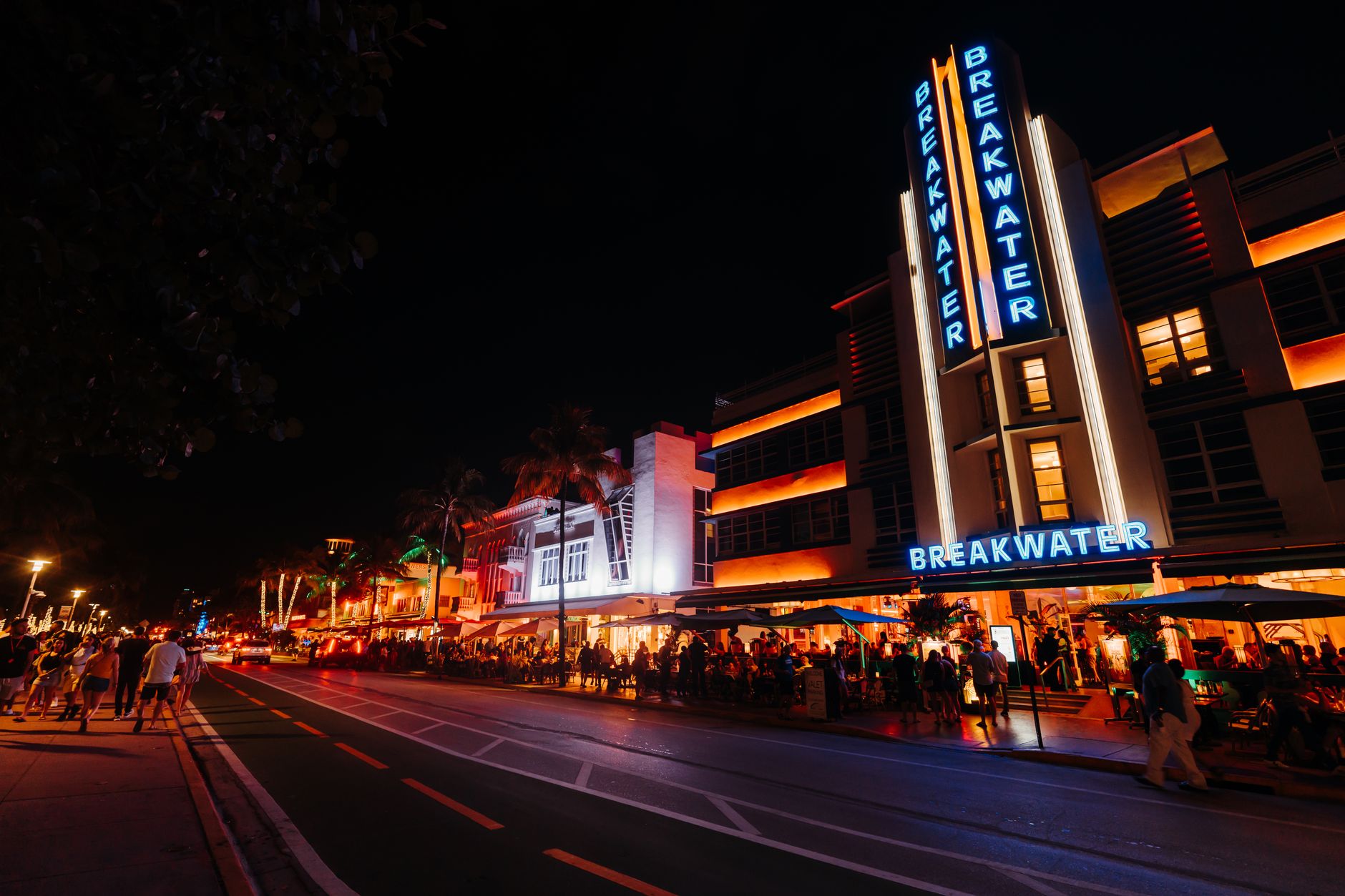
Las Vegas, a city known for its vibrant nightlife, extravagant casinos, and world-class entertainment, attracts millions of visitors each year. Navigating the bustling streets and attractions can be overwhelming for first-timers. Understanding how to get around Las Vegas will help you make the most of your visit, whether you’re heading to a show, a restaurant, or a popular attraction.
This guide will cover the various transportation options in Las Vegas, including public transit, ridesharing, taxis, walking, and more, ensuring you have a seamless travel experience.
How To Get Around Las Vegas?
Getting around Las Vegas is easy thanks to an array of transportation options available to visitors. From the Las Vegas Monorail to ridesharing services, there are numerous ways to explore this dynamic city quickly and efficiently.
Overview of Transportation Options
- Walking
- Public Transportation
- Ridesharing Services
- Taxis
- Rental Cars
- Shuttle Services
- Las Vegas Monorail
Walking in Las Vegas
Many visitors find that walking along the Las Vegas Strip is enjoyable and convenient. With many attractions located within close proximity, walking allows you to soak in the sights and sounds of the city. However, be aware that it can get quite warm during the summer months.
When walking, always plan your route ahead of time, wear comfortable shoes, and stay hydrated. The Strip is pedestrian-friendly, featuring overpasses and pedestrian sidewalks, but be cautious of traffic, especially at intersections.
Public Transportation
Las Vegas has a public bus system operated by the RTC (Regional Transportation Commission of Southern Nevada), which offers several routes connecting the Strip, downtown Las Vegas, and surrounding areas. The Deuce and the SDX (Strip and Downtown Express) are the most popular lines for tourists.
- The Deuce: This bus runs 24/7 and travels along the Strip and downtown areas. It stops frequently, making it a great option for hopping on and off at various attractions.
- SDX: This is a faster bus service with limited stops, making it a great way to move quickly between major attractions on the Strip and downtown.
Fares for the buses are relatively affordable, with a single-ride fare costing around $2.00. Passes can be purchased for a more economical option if you plan to use public transportation multiple times during the day.
Ridesharing Services
Ridesharing apps like Uber and Lyft are popular choices among visitors for their convenience and ease of use. Both services operate throughout Las Vegas and can be a reliable way to get to destinations quickly without the hassle of parking.
Ridesharing pickups are available at designated areas near hotels and major attractions, so be sure to check the app for specific pickup locations.
Taxis
Traditional taxis are also widely available throughout Las Vegas. You can hail a taxi from the street or find them lined up at designated taxi stands outside hotels and casinos. Taxi meters start at a base fare (around $3.50) and add charges per mile, plus additional surcharges during peak hours.
While taxis are convenient, they can be more expensive than ridesharing services, especially during busy periods or when traveling longer distances.
Rental Cars
Renting a car in Las Vegas can be a good option if you plan to explore areas outside the city, such as Red Rock Canyon or the Hoover Dam. Major rental car companies are available at the McCarran International Airport and across the Strip.
However, be aware of parking costs and the difficulty of navigating busy streets, especially during peak tourist seasons. Many hotels charge for parking, and parking can fill up quickly around popular attractions.
Shuttle Services
Many hotels and resorts in Las Vegas offer complimentary shuttle services to and from the airport or other major attractions. Check with your hotel to see if they provide this service as it can save you money and time during your trip.
In addition, some private shuttle services and shared-ride vans are available for airport transportation. These can be arranged in advance for convenience.
Las Vegas Monorail
The Las Vegas Monorail is an efficient rail system that runs along the east side of the Strip. It connects several key hotels and attractions from the SLS Las Vegas to the MGM Grand. While it does not cover the entire Strip, it is a great way to bypass traffic and quickly travel between certain locations.
A single-ride ticket typically costs around $5, with options for unlimited rides available for 24 hours or longer. The monorail operates daily, but hours may vary, so be sure to check the schedule before making plans.
Accessibility Considerations
Las Vegas strives to be accessible for all visitors. Most public transportation options are equipped for individuals with mobility challenges, including the RTC buses and the monorail. Elevators, ramps, and priority seating are typically available, but do check specific services and their accommodations in advance to ensure a seamless experience.
Best Areas to Stay in Las Vegas
Choosing the right area to stay in Las Vegas can enhance your experience and ease of transportation. Here are some options based on traveler type:
The Strip
The Las Vegas Strip is the most convenient location for first-time visitors. Staying here puts you within walking distance of major attractions, restaurants, and entertainment venues. While it can be more expensive, the convenience may make it worth the cost.
Downtown Las Vegas
Downtown Las Vegas offers a more relaxed vibe and is known for its vintage casinos and the revitalized Fremont Street Experience. This area can be a more budget-friendly option while still being close to attractions and public transportation.
Boulder City
For those looking to explore natural attractions, Boulder City is a peaceful retreat located approximately 30 minutes from the Strip. It is an excellent base for visiting the Hoover Dam and Red Rock Canyon, but you’ll likely need a rental car to navigate around effectively.
Things to Do and See While Traveling
Las Vegas boasts plenty of attractions that are easily accessible regardless of your chosen transportation method. Here are some highlights to consider while planning your itinerary:
- The Strip: Explore iconic hotels like The Bellagio, Caesars Palace, and The Venetian.
- Fremont Street Experience: A pedestrian-only area featuring live entertainment, light shows, and vintage casinos.
- High Roller Observation Wheel: Get panoramic views of the Las Vegas skyline from this 550-foot-tall Ferris wheel.
- Red Rock Canyon National Conservation Area: A stunning natural attraction just a short drive from the city.
- Hoover Dam: Learn about the history of this engineering marvel, located about 30 minutes from the Strip.
When to Visit Las Vegas
Las Vegas offers a variety of experiences regardless of the season you choose to visit. However, some considerations can impact your trip:
- Spring (March to May): Mild temperatures attract many visitors seeking pleasant weather. This is a great time for outdoor activities and events.
- Summer (June to August): Expect high temperatures, often exceeding 100°F. Indoor attractions and air-conditioned venues are ideal during this time.
- Fall (September to November): With temperatures cooling, fall is another peak tourist season, particularly around events like Halloween and Thanksgiving.
- Winter (December to February): While temperatures are cooler, this is a festive time in the city, especially during holidays. The average temperature ranges between 30°F and 60°F.
Compared to other major tourist destinations, Las Vegas is less crowded during the week, meaning you can often find better deals on hotel rooms and tickets to shows. This makes midweek visits a practical choice.
Budget Considerations
Getting around Las Vegas can be budget-friendly when using public transportation or ridesharing services. However, here are some tips to keep in mind:
- Consider investing in a multi-day pass for public transit if you plan to use it frequently.
- Catch happy hour deals at restaurants to manage dining costs.
- Look for free attractions and events to balance out more expensive activities.
- Compare the costs of taxi vs. ridesharing to find the most economical option for your transportation needs.
Safety Tips
While Las Vegas is generally a safe city, staying aware and following common-sense safety practices is essential, especially when navigating transportation options. Here are a few tips:
- Always be cautious when walking at night. Stick to well-lit areas and avoid isolated streets.
- Keep an eye on your belongings, particularly in crowded areas.
- When using ridesharing or taxis, confirm your driver and vehicle matches the information provided in the app or on the taxi meter.
- Stay aware of local laws and regulations, especially concerning alcohol and other activities.
By following these tips and utilizing available transportation options, you can maximize your experience while exploring the fascinating city of Las Vegas.
Every visit to Las Vegas brings a unique experience, and understanding how to navigate this vibrant city will help you find your way. Whether you’re indulging in fine dining, catching a show, or exploring unique attractions, getting around Las Vegas is relatively straightforward.
Ready to start planning your Las Vegas trip? Don’t forget to check out our guides on romantic restaurants and budget dining options for more insights to enhance your experience!