
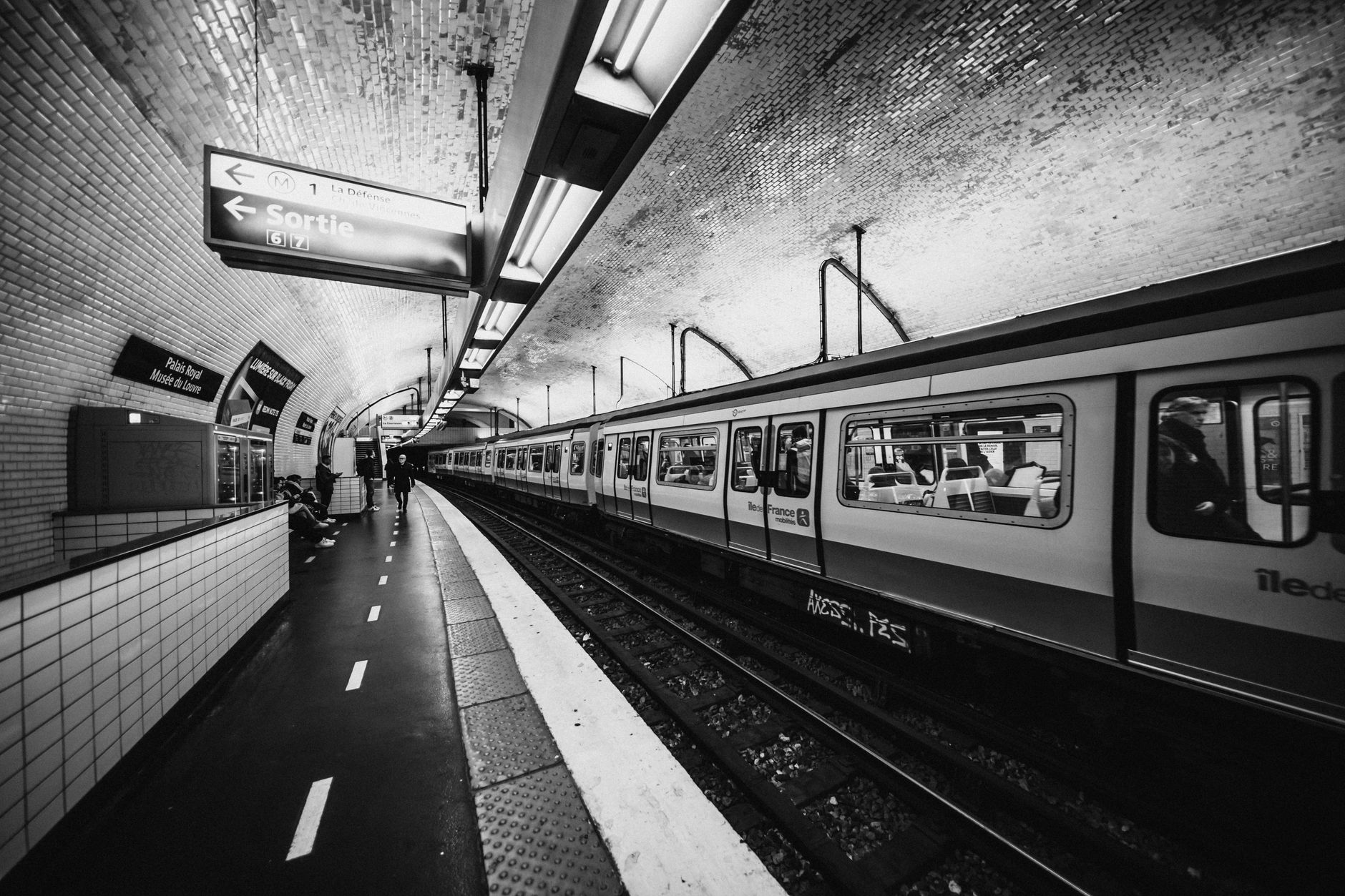
The New York City subway system is a vast, intricate network that serves millions of riders each day. For visitors, understanding how to navigate this public transportation system can enhance your Manhattan experience, provide quick access to attractions, and save money on travel costs. This guide will walk you through using the NYC subway, from understanding the basics to navigating the system like a local.
No matter if you are visiting for a weekend or an extended stay, mastering the subway can add convenience and efficiency to your travels. With over 472 stations and 27 subway lines, the NYC subway is the largest in the United States and one of the busiest in the world. Let’s dive into the essentials of using the subway effectively.
How Do You Use the NYC Subway?
Using the NYC subway involves understanding the system’s map, purchasing a MetroCard, knowing how to read train schedules, and familiarizing yourself with rules and etiquette. The subway is designed to be user-friendly, but it can be overwhelming for newcomers. Here’s how to make it work for you.
Understanding the NYC Subway System
The subway operates across four boroughs: Manhattan, Brooklyn, Queens, and the Bronx, connected by more than 240 miles of track. The subway consists of 27 lines, identified by either a number or a letter, such as the A, C, E, or 1, 2, 3 lines. Each line has distinct routes, and understanding them is key to reaching your destination.
Subway Map
The New York City subway map is your best friend. It displays each line, station, and transfer points. The map is color-coded, making it easier to follow. You can find physical copies at any subway station, or use a navigation app like Google Maps that incorporates subway directions.
Reading the Lines and Stations
Each train line runs in two directions, signified as “uptown” (northbound) or “downtown” (southbound). Ensure you know which direction you need to go. The subway lines frequently pair with corresponding transfers, meaning you may need to switch lines to reach your final destination.
- Uptown:** Generally refers to travels heading north.
- Downtown:** Travels heading south.
- Express:** Some lines have express services that skip certain stops.
- Local:** These trains stop at every station.
Getting Your MetroCard
To ride the subway, you need a MetroCard, a convenient electronic card used for subway rides and buses. Here’s how to get yours:
Purchasing a MetroCard
You can buy a MetroCard at vending machines located in most subway stations. Here’s what you need to know:
- Choose between a regular MetroCard or an unlimited ride card.
- A regular MetroCard costs $1 and you can load it with any desired amount, with rides costing $2.90 each.
- Unlimited ride options are available for 7 days or 30 days, costing $34 and $127 respectively.
- MetroCards can be refilled as needed at any vending machine.
Using the MetroCard
After purchasing, tap your card at the turnstile to enter. The subway system accepts only the MetroCard—cash or credit cards are not accepted for rides. If you have a contactless payment method, some stations allow for tap payments using specific cards or mobile devices.
Planning Your Route
Before starting your journey, it’s wise to plan your route. Several resources can help, like the MTA’s website or navigation apps. Here are fundamental steps for planning your subway trip:
Identifying Your Starting Point and Destination
Know which subway line goes to your destination and whether you need to transfer lines. Listings usually provide the most straightforward route options. Knowing your starting station will make this process easier.
Checking Service Status
Before embarking on your trip, check the service status of your selected train line. Some trains may have service changes due to repairs or maintenance. You can find real-time status updates on the MTA’s website or mobile app.
Navigating the Subway Stations
Once you arrive at the subway station, here’s what to expect:
Finding Your Train
Subway entrances are marked with signs. When inside, follow directional signs to your chosen train line. Each line has corresponding colored indicators, helping you find the right platform.
Transfer Stations
Some subway stations allow you to transfer between multiple lines. Transfer points can be busy during peak hours, so allow extra time if you need to switch lines.
Understanding Subway Etiquette
To ensure a comfortable ride for everyone, observe the basic rules of subway etiquette:
- Stand clear of the doors and let passengers exit before boarding.
- Keep bags and belongings close to you.
- Stay off your phone during rush hour to allow space for others.
- Offer your seat to those who need it, including the elderly and disabled.
Riding the Subway
When you board your train, hold onto the handrails for stability as trains can start and stop abruptly. Pay attention to announcements about upcoming stops, as some trains may run express and skip stations.
Safety Considerations
As with any public transportation, remain cautious of your surroundings. Watch for unusual behavior and keep your personal belongings secure. If you ever feel uncomfortable, you can alert one of the subway staff members or use the emergency call box located on the platforms.
Common Mistakes to Avoid
While navigating the city subway system, travelers sometimes make common missteps. Here’s how to avoid them:
- Ignoring the subway map: Always refer to the map to understand where you’re going.
- Forget to check train schedules: Service changes may affect your travel—check before you leave.
- Wrong direction: Double-check if you’re heading uptown or downtown.
Popular Subway Lines for Tourists
A few subway lines are particularly popular among tourists, providing easy access to major attractions:
- A Line: Connects to popular areas like Harlem and the High Line.
- 1 Line: Runs from the Bronx to Lower Manhattan, passing through Times Square.
- 6 Line: Great for reaching the Metropolitan Museum of Art.
- R Line: Provides easy access to Brooklyn attractions like the Brooklyn Museum.
Using Other Public Transportation Options
In addition to the subway, New York City offers buses, ferries, and rideshare options. You can use the same MetroCard for subway and bus rides. Buses generally stop more frequently along their routes, making them a good alternative for shorter distances.
Ferries
Ferries provide scenic routes between Manhattan and other boroughs. The Staten Island Ferry is free and offers stunning views of the Statue of Liberty and the Manhattan skyline.
Best Times to Ride the Subway
Subway services are generally available 24/7, but the peak hours tend to be during rush hour (7-9 AM and 5-7 PM) on weekdays. During these hours, expect larger crowds and delays. For a more relaxed experience, consider traveling outside of these times.
Conclusion
With this guide, you are well-equipped to tackle the NYC subway system effectively. By understanding how it works—purchasing a MetroCard, planning your route, and following etiquette—you can navigate the city with confidence. This not only saves you time and money but also allows you to explore more of what New York City has to offer.
If you’re ready to learn more about NYC’s other options, check out more guides on Is the N Train Running? and how far is Jersey City from New York City? Let your adventure continue!