
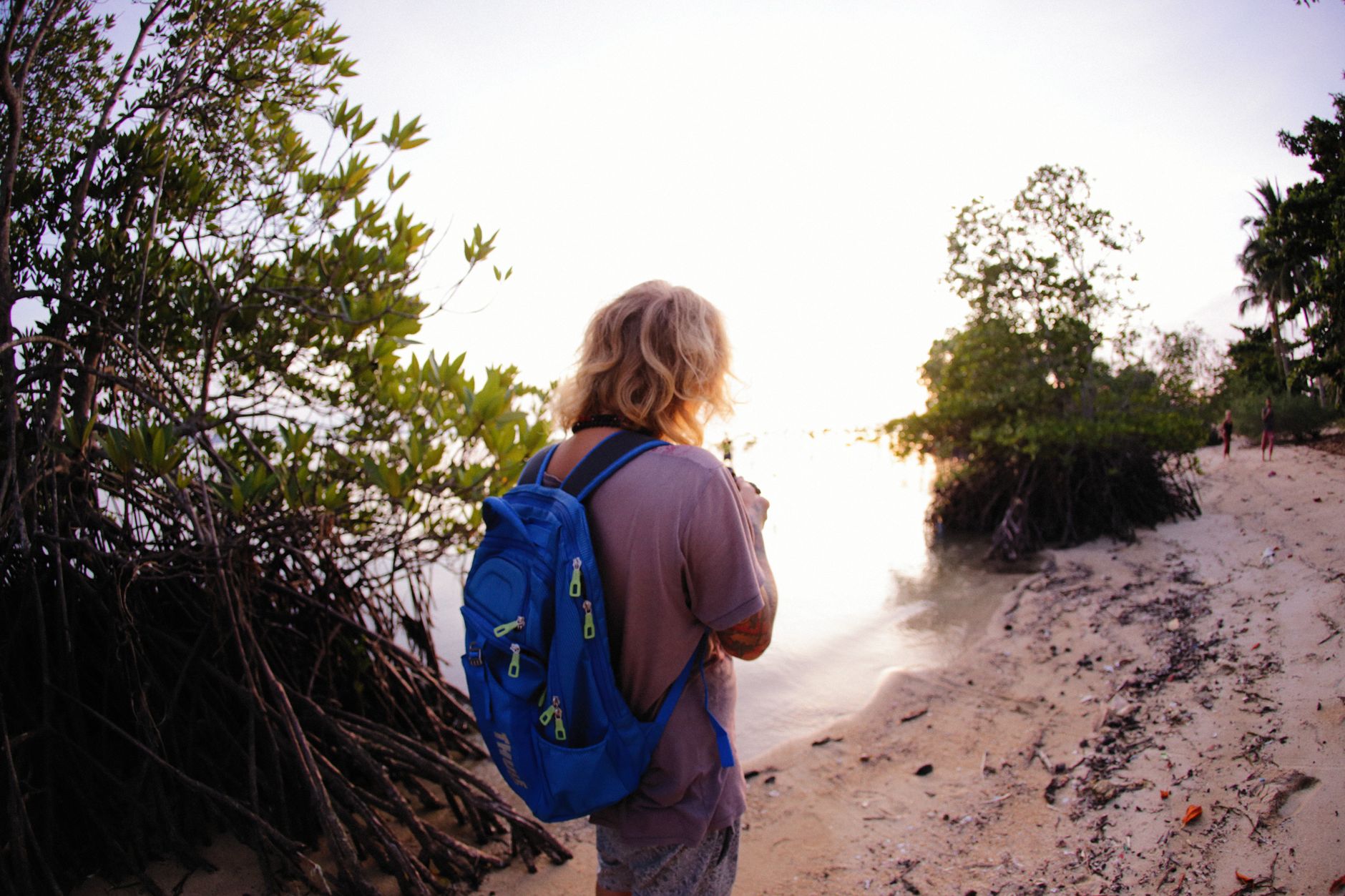
Costa Rica, renowned for its stunning landscapes and rich biodiversity, is becoming an increasingly popular destination among solo female travelers. While many women are drawn to the country for its eco-tourism and adventure activities, safety remains a primary concern. This guide will examine the safety of Costa Rica specifically for solo female travelers, offering practical tips and insights.
Understanding the local culture, transportation options, and safety practices can greatly enhance your travel experience. With adequate preparation and awareness, you can enjoy all that Costa Rica has to offer while staying vigilant against potential risks.
Is Costa Rica Safe For Solo Female Travellers?
Yes, Costa Rica can be considered safe for solo female travelers, especially in tourist-friendly areas. However, like any destination, it is essential to remain aware of your surroundings and take safety precautions. By adhering to local customs and practicing common sense, you can mitigate risks and enjoy your trip.
Understanding the Local Culture
Costa Rica has a reputation for being friendly and welcoming. The locals, known as Ticos, are generally warm and helpful, making it easier for solo female travelers to feel at home. Respect for personal space and privacy is valued, and politeness is an integral part of social interactions. Knowing a few basic Spanish phrases can also enhance your experience and facilitate communication.
Common Courtesy and Social Norms
Understanding the cultural norms can help you navigate social situations more comfortably. When greeting someone, a polite smile and a friendly “Hola” can go a long way. Likewise, always show respect for local customs, which can include being modest in your dress, especially in rural areas and religious sites.
Areas to Visit and Their Safety
Costa Rica has several regions that are popular among travelers, each offering unique attractions and varying safety levels. Here’s a breakdown of some of the most visited areas:
- San José: As the capital, it has a vibrant urban atmosphere with museums, restaurants, and nightlife. While generally safe, petty crimes like pickpocketing can occur; staying in well-lit areas and being cautious with valuables is advisable.
- La Fortuna: Known for the Arenal Volcano, La Fortuna is tourist-friendly. It has a significant police presence, making it one of the safer destinations in the country.
- Monteverde: Famous for its cloud forests and zip-lining adventures, Monteverde is considered safe. It attracts many eco-travelers and promotes a strong sense of community.
- Tamarindo: A beach town popular with surfers and party-goers. It is generally safe, though you should remain cautious during nighttime activities, especially when walking alone.
- Puerto Viejo: Located on the Caribbean coast, it has a laid-back vibe and is known for its beautiful beaches. Although it can be very welcoming, petty theft can occur; keep an eye on your belongings at the beach.
Transportation Options and Safety Tips
Getting around Costa Rica can be easy with various transportation options available. However, understanding the safest ways to travel is crucial for a smooth solo trip.
Public Transportation
Buses are the most common mode of transport and are relatively safe. Most buses to tourist destinations are well-maintained and affordable. Traveling during daylight hours is advisable to enhance safety.
Taxis and Rideshare Services
Authorized taxi services are safe, with drivers displaying a red-and-yellow emblem. Always use a taxi booked through your hotel or a rideshare app like Uber, which operates in many urban areas. This ensures accountability and can be safer for solo travelers.
Car Rentals
If you prefer independence, consider renting a car. This allows you to explore off-the-beaten-path destinations. However, ensure you are comfortable driving in a foreign country, as some roads can be challenging due to potholes or steep inclines.
Accommodation Choices for Solo Female Travelers
Choosing the right accommodation is important for safety and peace of mind. Costa Rica offers various options ranging from hotels to hostels. Here’s what to consider:
Hostels
Staying in hostels can be a great way to meet fellow travelers. Look for hostels that are female-only or have female dorms. Always read reviews to ensure cleanliness and a good atmosphere.
Hotels and Airbnb
Opt for reputable hotels or Airbnb properties, focusing on locations that are known for safety and convenience. Look for places with strong security measures, including 24-hour front desks and gated entries.
Solo Travel Tips for Safety
While Costa Rica is generally safe, being prepared and knowing some practical tips can enhance your experience significantly. Below are some recommendations for staying safe during your visit.
- Stay Aware of Your Surroundings: Always be observant, especially in crowded places. Trust your instincts; if a situation feels uncomfortable, remove yourself.
- Avoid Flashing Valuables: Keep jewelry, cameras, and other valuables out of sight to minimize targeting for theft.
- Stay Connected: Share your itinerary with friends or family back home and check in regularly. Having a local SIM card or portable Wi-Fi can help you navigate and keep your loved ones informed.
- Participate in Group Activities: Opting for organized tours or classes can be a great way to meet people while ensuring safety in numbers.
- Use Reputable Services: Whether booking transportation, tours, or activities, choose reputable companies with good reviews to avoid scams or unsafe situations.
Health and Safety Precautions
Costa Rica is known for its relatively good healthcare system, but it’s wise to take certain health precautions while traveling alone.
Vaccinations and Health Precautions
Ensure your vaccinations are up-to-date before traveling. It is advisable to consult with a healthcare provider about vaccinations specific to Costa Rica.
Travel Insurance
Obtain comprehensive travel insurance that covers health, theft, and any mishaps during your journey. This is essential for peace of mind when traveling solo.
Understanding Local Laws
Familiarizing yourself with local laws will help you avoid legal issues. Costa Rica has strict drinking laws, with a legal drinking age of 18. Drug laws are also stern, and possession of illicit substances can lead to severe penalties.
Emergency Contacts
Familiarize yourself with emergency contact numbers, including local police (911) and your country’s embassy. Keeping these handy on your phone can be vital in emergencies.
When to Visit Costa Rica
Costa Rica’s climate varies by region and altitude, allowing for year-round travel. However, the dry season from December to April is most popular among tourists.
Best Time for Solo Female Travelers
Traveling during the dry season is ideal for solo female travelers as it provides pleasant weather and a vibrant atmosphere. However, the shoulder months of November and May can offer fewer crowds and possibly lower rates.
Length of Stay
A week to ten days is typically sufficient to explore major highlights. Solo female travelers may want to plan their itinerary to allow a balance of adventure and relaxation. Popular activities like hiking, wildlife watching, and visiting coffee plantations can fill your schedule.
Budget Considerations
Costa Rica is often perceived as an expensive destination compared to other Central American countries. However, there are budget-friendly options available.
Estimating Costs
- Accommodation: Dorm rooms in hostels average between $10 to $30 per night, while hotels can range from $50 to $150 or more.
- Food: Eating at local ‘sodas’ (small restaurants) will save you cash. A meal can cost anywhere from $5 to $15.
- Activities: Prices for activities vary widely; some are free, while guided tours may charge $50 to upwards of $100.
What to Pack for Costa Rica
Packing wisely will help you avoid stress during your trip. Here’s a checklist of essential items for solo female travelers:
- Lightweight clothing (moisture-wicking for outdoor activities)
- Comfortable walking shoes or hiking boots
- Light rain jacket (especially during the wet season)
- Reusable water bottle
- Personal hygiene items (travel-size if you’re backpacking)
- Power adapter (Costa Rica uses Type A and B plugs)
Food and Drink Considerations
Costa Rican cuisine is delicious and diverse. Trying local dishes is a must, and eating in small restaurants often leads to discovering hidden culinary delights.
Local Dishes to Try
- Gallo Pinto: A traditional breakfast dish made with rice and beans.
- Ceviche: Fresh fish marinated in lime, perfect for a refreshing meal.
- Casado: A hearty plate that often includes rice, beans, salad, and protein.
Final Thoughts
Costa Rica can be a rewarding destination for solo female travelers, with its friendly culture and stunning natural landscapes. By maintaining awareness, practicing common safety tips, and embracing the local lifestyle, you are likely to have a fulfilling experience.
Before traveling, ensure to check current travel advisories and health guidelines to stay informed on any changes. Costa Rica can be a fulfilling destination that offers adventure, relaxation, and cultural richness in safe and welcoming surroundings.
For more helpful insights, consider checking out the best places to eat at best restaurants in Costa Rica.