
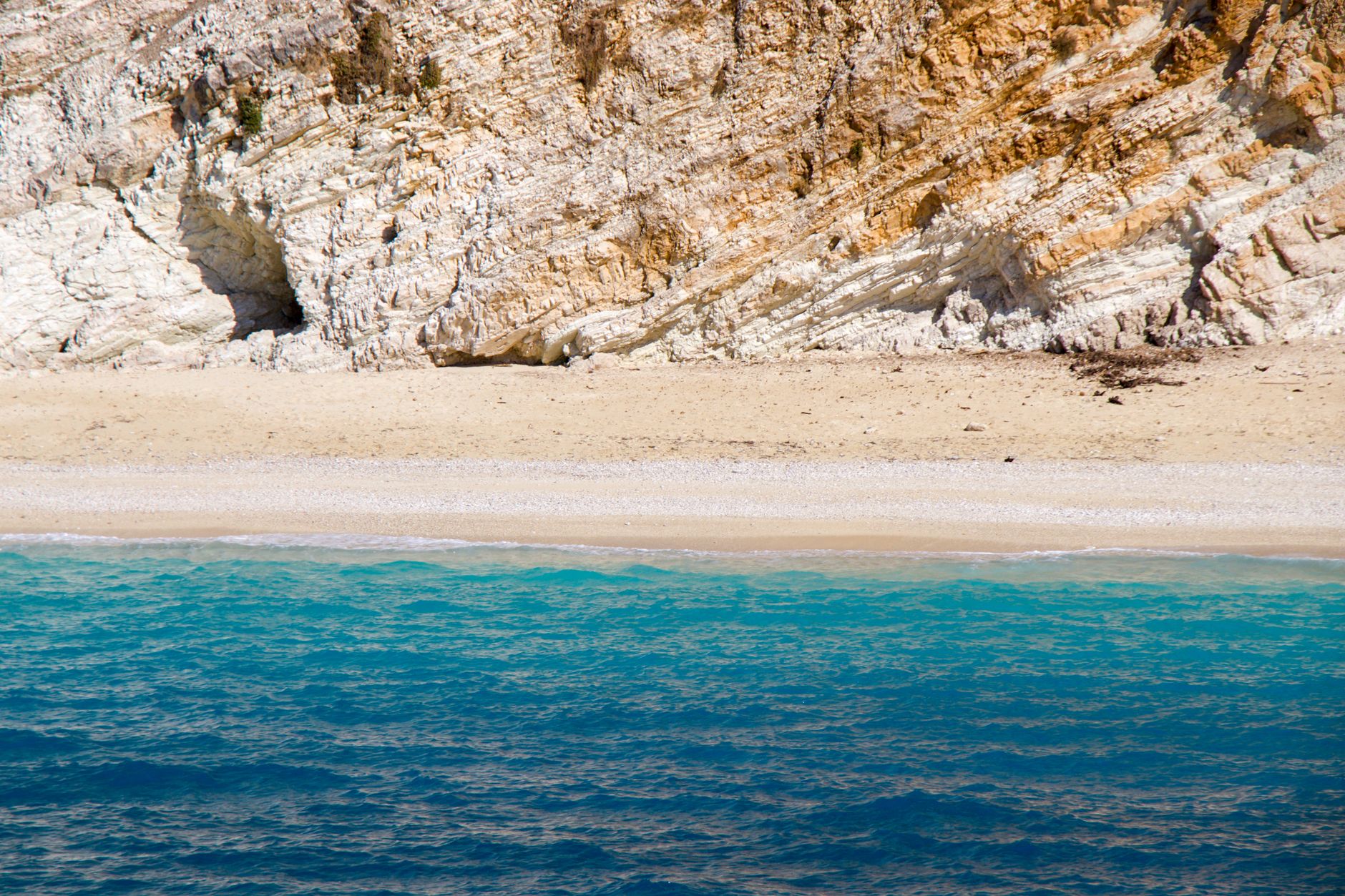
Ibiza, known for its vibrant nightlife, stunning beaches, and rich culture, is often associated with Greece by travelers due to the similarity in their idyllic Mediterranean landscapes. However, it’s essential to clarify that Ibiza is not in Greece; it is part of Spain, specifically one of the Balearic Islands. This distinction can bring confusion to newcomers planning their Mediterranean travels.
This article will explore the characteristics of Ibiza, its unique appeal as a travel destination, and how it compares to Greek islands like Mykonos and Santorini. Additionally, you will find practical tips for planning a trip to Ibiza, from transportation to accommodations and must-see attractions.
Is Ibiza In Greece?
No, Ibiza is not in Greece. It is an island in the Mediterranean Sea, belonging to Spain and part of the Balearic Islands archipelago. While both Ibiza and several Greek islands share stunning landscapes and vibrant cultures, they are distinct destinations.
A Snapshot of Ibiza
Ibiza is renowned for its nightlife, beautiful beaches, and laid-back atmosphere, making it a popular destination for party-goers, families, and solo travelers alike. Visitors flock to the island throughout the summer months, enjoying everything from beach clubs to traditional local cuisine.
Why Visit Ibiza?
Visitors come to Ibiza for various reasons, from its electrifying nightlife to tranquil natural spots. Here are some compelling reasons to explore Ibiza:
- Nightlife: Ibiza is famous for its legendary nightclubs, featuring renowned DJs and vibrant parties.
- Stunning Beaches: With over 50 beaches, Ibiza offers pristine coastlines, clear blue waters, and various activities.
- Cultural Experiences: Explore Ibiza’s rich history with ancient ruins, traditional villages, and museums.
- Outdoor Activities: Ideal for hiking, sailing, and water sports, Ibiza is perfect for adventure seekers.
- Culinary Delights: Enjoy delightful Mediterranean cuisine at local restaurants and beachside eateries.
Best Areas to Stay in Ibiza
Choosing the right area to stay in Ibiza can significantly affect your experience. Here’s a breakdown of the most popular districts:
Ibiza Town
As the capital, Ibiza Town is bustling with life, featuring vibrant nightlife, shops, and cultural sites, including the historic Dalt Vila. This area suits visitors seeking convenience and variety.
San Antonio
Known for its energetic nightlife, San Antonio is home to famous clubs and beachside bars. It’s ideal for party-seekers looking to enjoy the sunset strip.
Santa Eulalia
This quieter area is perfect for families and those looking for a more relaxed atmosphere. It has beautiful beaches and a charming promenade filled with restaurants.
Portinatx
Located in the northern part of the island, Portinatx is renowned for its stunning beaches and family-friendly resorts. It’s ideal for those seeking tranquility and natural beauty.
When to Visit Ibiza
The best time to visit Ibiza is from late April to early October. During this period, the weather is warm, and most clubs and restaurants are open. Each season offers unique experiences:
- Spring (April to June): Ideal for pleasant weather, blooming nature, and fewer crowds.
- Summer (July to September): The peak season for parties, events, and bustling nightlife.
- Autumn (October): Mild weather and a chance to experience the closing of the club season with various festivals.
- Winter (November to March): Cooler temperatures and a quiet island, perfect for exploring local culture.
How to Get to Ibiza
Reaching Ibiza can be done primarily by air, as it has an international airport (IBZ) with regular flights from major European cities. Alternatively, ferries connect Ibiza to the mainland of Spain and other Balearic Islands:
- By Air: Numerous airlines operate flights to Ibiza, especially during the peak summer season.
- By Ferry: Take a ferry from mainland Spain, particularly from cities like Barcelona or Valencia.
Getting Around Ibiza
Once on the island, public transportation and taxis are available to help you explore. Here are common ways to get around:
- Public Buses: Regular bus services connect key areas, making it a cost-effective travel option.
- Taxis: Readily available but can become pricey, especially during peak hours.
- Car Rentals: Renting a car gives you the freedom to explore at your own pace. Booking in advance is advisable to secure a vehicle during high season.
- Bicycles and Mopeds: Rentals are popular for short-distance travel, particularly in Ibiza Town and surrounding areas.
Top Attractions in Ibiza
Ibiza offers numerous attractions worth exploring. Here are some highlights:
Dalt Vila
The historic old town of Ibiza, Dalt Vila, is a UNESCO World Heritage site. Its cobblestone streets, ancient walls, and spectacular views make it a must-visit.
Es Vedrà
This stunning rock formation off the southwestern coast of Ibiza is known for its breathtaking sunsets and mystical legends. Hiking in the area is also popular.
Ibiza Beaches
Some of the most popular beaches include:
- Playa d’en Bossa: Known for its lively beach clubs and watersports.
- Talamanca: A family-friendly beach with calm waters and picturesque views.
- Caló des Mort: A secluded spot ideal for those seeking peace.
Clubbing
Ibiza is synonymous with clubbing, with famous venues like Pacha, Amnesia, and Ushuaïa hosting world-class DJs and unforgettable parties. Checking event schedules in advance is advisable.
Culinary Scene in Ibiza
Ibiza’s culinary scene is as diverse as its visitors. You’ll find a mix of traditional Spanish cuisine and international dishes:
Must-Try Foods
- Paella: A Spanish staple best enjoyed by the beach.
- Tapas: Small plates to sample different flavors; enjoy them at local bars.
- Ensaimada: A flaky pastry that makes for an excellent breakfast treat.
Top Restaurants
Some notable dining establishments include:
- Best Restaurants in Mykonos for Mediterranean delicacies.
- Best Restaurants in Santorini for unique flavors and local ingredients.
Traveling on a Budget
While Ibiza can be pricey, several tips can help you enjoy the island without breaking the bank:
- Stay Off-Peak: Visiting in late spring or early autumn can save you money on accommodations.
- Public Transport: Use buses or rent bicycles to cut transportation costs.
- Dining Wisely: Explore local eateries for affordable meals instead of high-end restaurants.
Safety Considerations
Ibiza is generally a safe destination for travelers. However, always take standard precautions:
- Keep an eye on your belongings in crowded places.
- Be cautious when consuming alcohol, especially in clubs.
- Travel in groups at night for added safety.
Family and Solo Travel
Whether traveling as a family or solo, Ibiza has something to offer everyone:
Family-Friendly Activities
- Water parks with slides and pools for a fun day.
- Nature reserves for family-friendly hikes.
- Beaches with calm waters perfect for kids.
Solo Travel
For solo travelers, Ibiza is welcoming and social. Attend events, join group activities, or explore local cafes to meet others.
Packing Essentials for Ibiza
When preparing for your trip, consider these packing essentials:
- Lightweight clothing for warm weather.
- Swimwear and beach towels.
- Comfortable footwear for day trips and nights out.
- Sunscreen and a hat for sun protection.
- A light jacket for cooler evenings.
Conclusion
While Ibiza may share some cultural and scenic similarities with Greek islands, it remains wholly Spanish, inviting guests to experience its vibrant atmosphere, stunning beaches, and rich history. Whether you’re drawn to the nightlife, the beaches, or the culinary scene, Ibiza offers something for everyone. Planning your visit wisely will ensure you make the most of this enchanting island.
For more related travel guides, explore our articles on dining in Mykonos and restaurants in Santorini.