
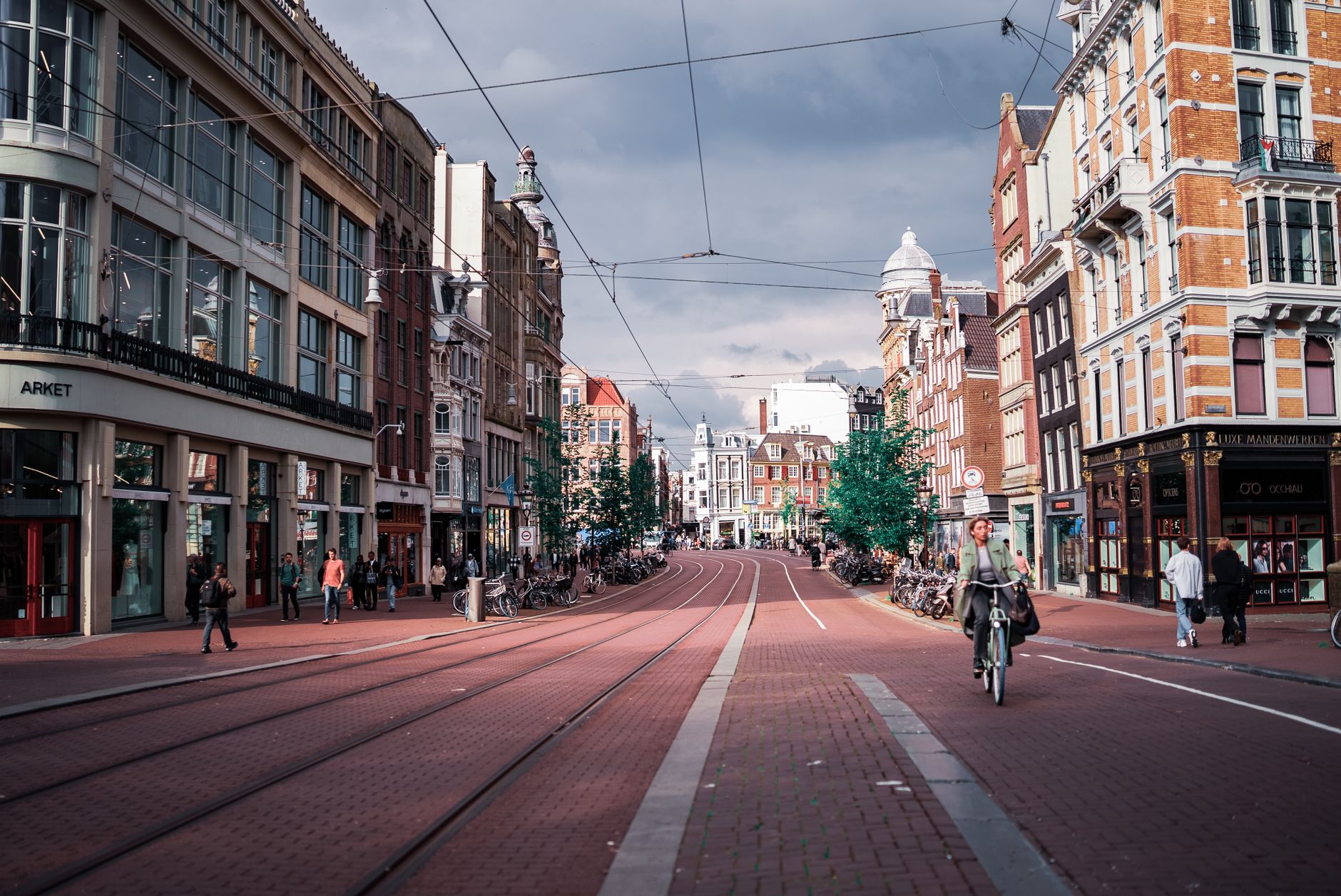
Nashville, the vibrant heart of country music and southern charm, often raises the question of walkability among travelers. With its bustling downtown, historic neighborhoods, and a variety of attractions, visitors frequently wonder if they can explore the city on foot. Understanding Nashville’s layout, accessibility, and pedestrian-friendly spots will enhance your visit, allowing you to enjoy the city’s unique culture and character fully.
In this guide, we will delve into the walkability of Nashville, discussing key neighborhoods, public transportation options, practical tips for walkers, and what makes this destination a delightful experience for those who prefer exploring on foot.
Is Nashville A Walkable City?
Overall, Nashville can be considered a moderately walkable city, especially in certain neighborhoods. While downtown Nashville offers pedestrian-friendly streets filled with attractions, restaurants, and shops, other areas may require transportation. Still, with thoughtful planning, travelers can enjoy a fulfilling walking experience throughout the city.
Why Nashville is Worth Visiting
Nashville is not just for music lovers; it has something for everyone. From iconic music venues and Southern cuisine to rich history and vibrant nightlife, the city offers a unique blend of experiences. Whether you’re an art enthusiast, an outdoor adventurer, or a foodie, Nashville’s countless attractions will cater to your interests.
Some highlights that make Nashville special include:
- The Grand Ole Opry and the Country Music Hall of Fame
- Historic neighborhoods like East Nashville and Germantown
- Beautiful parks such as Centennial Park, featuring a replica of the Parthenon
- A thriving food scene with famous hot chicken and barbecue joints
Best Areas for Walkability
Certain neighborhoods in Nashville are more conducive to walking than others. Understanding these areas will help you optimize your trip. Here are some of the most walkable parts of the city:
Downtown Nashville
Downtown Nashville is the epicenter of activity and one of the most walkable regions. Visitors can easily navigate the area without needing a car. Highlights include:
- The iconic Broadway strip, lined with honky-tonks and live music venues
- The Nashville Convention Center and Bridgestone Arena
- Nearby attractions such as the Ryman Auditorium and Johnny Cash Museum
With pedestrian-only zones and well-maintained sidewalks, downtown is perfect for leisurely strolls.
The Gulch
The Gulch is a trendy neighborhood just south of downtown, known for its upscale dining, boutique shops, and modern architecture. It’s especially walkable due to:
- Wide sidewalks and plenty of crosswalks
- Proximity to attractions like the Nashville Symphony and the Station Inn
- Art installations and guided walking tours available
East Nashville
Just a short distance from downtown, East Nashville boasts a laid-back vibe with a mix of historic homes and modern developments. With a variety of parks, music venues, and eateries, it is a fantastic area to explore on foot. Key features include:
- Five Points area, known for its local shops and cafes
- Nearby parks like Shelby Bottoms Greenway, perfect for a scenic walk
- Charming murals and street art to discover
Germantown
Germantown is another neighborhood known for its historic charm and walkable streets. It features a vibrant culinary scene and cozy parks. Here are some highlights:
- Enjoying a leisurely afternoon at Germantown Park
- Sampling culinary delights at restaurants like City House and 5th & Taylor
- Exploring historic Victorian architecture throughout the neighborhood
Public Transportation Options
While walking is a great way to explore Nashville, public transportation can help you cover greater distances or head to less accessible areas. Here are some options:
MTA Buses
The Metropolitan Transit Authority (MTA) operates bus services throughout Nashville and the surrounding areas. Key points include:
- Affordable fares, with discounts for seniors and students
- Routes that connect major neighborhoods, including East Nashville and Music Row
- A simple mobile app to plan your routes and check schedules
Nashville B-Cycle
Nashville offers a bike-sharing program called B-Cycle, providing a fun way to explore the city on two wheels. Rental stations are conveniently located around downtown and other neighborhoods. Benefits include:
- Hourly and daily rental options for cyclists
- Bikes equipped for comfort and ease in navigating
- Growing network of bike lanes and paths
Practical Tips for Walking in Nashville
To make the most of your walking experience in Nashville, consider the following practical tips:
- Wear Comfortable Shoes: Asphalt and cobblestone streets can be tough on your feet. Opt for supportive footwear so you can enjoy a full day of exploring.
- Stay Hydrated: Nashville can get hot in the summer. Carry a reusable water bottle to stay refreshed as you walk.
- Plan Your Route: Download maps or walking tour guides beforehand. Staying oriented ensures you don’t miss key attractions.
- Be Mindful of Traffic: While downtown is pedestrian-friendly, always watch for traffic, especially on busy streets.
- Explore Off the Beaten Path: Don’t hesitate to venture beyond the main attractions. Neighborhood parks and local shops can offer hidden treasures.
When to Visit Nashville
Nashville enjoys a fairly mild climate, making it a year-round destination. However, certain seasons present advantages and disadvantages for walking:
Spring (March to May)
Spring is one of the best times to visit. The weather is typically mild, and outdoor festivals abound. However, be prepared for occasional rain showers.
Summer (June to August)
Summer can be hot and humid, making walks in the midday sun uncomfortable. Early mornings and evenings may be more pleasant for outdoor exploring.
Fall (September to November)
Fall brings beautiful foliage and cooler temperatures, ideal for walking. Visitors can enjoy numerous music events and festivals during this time.
Winter (December to February)
Winter may bring colder temperatures, so be prepared with layers. However, if you enjoy a festive atmosphere, Nashville’s holiday lights and events may be worth the chill.
Suggested Length of Stay
To fully enjoy Nashville and its walkable neighborhoods, a stay of four to five days is recommended. This duration allows you to:
- Visit key attractions without rushing
- Explore different neighborhoods at a leisurely pace
- Experience the local food scene
A weekend trip could cover downtown highlights, while a longer stay permits day trips to nearby areas like Franklin or the Natchez Trace Parkway.
Budget Considerations
Understanding the typical costs of visiting Nashville can help with planning. Here’s a breakdown of potential expenses:
- Accommodation: Costs vary widely. Budget hotels and hostels may start around $100 per night, while luxury options can go up to $300 or more.
- Dining: A meal in a casual restaurant can range from $15 to $30 per person. Fine dining may exceed $50 per person.
- Attractions: Some museums and venues have entry fees ranging from free to approximately $30.
- Transportation: Public transit fares are typically under $5 per ride, while rideshares may cost more depending on distance.
Accessibility Considerations
Nashville is generally accommodating for a range of abilities, with many attractions offering wheelchair access. However, keep the following in mind:
- Sidewalks and curb cuts are present in most downtown areas, but some neighborhoods may have uneven surfaces.
- Public transportation options, like buses, usually have accessible options but always check in advance.
- Many tourist attractions, including the Country Music Hall of Fame, offer disable-friendly options.
Safety Considerations
As with any city, staying aware of your surroundings will enhance your safety while exploring Nashville on foot. Here are some general safety tips:
- Stick to well-lit areas, especially after dark.
- Be cautious with personal belongings, particularly in crowded areas.
- Ask locals for safe walking routes if unsure about a neighborhood.
Concluding Thoughts
Nashville can be a delightful city for walkers, especially if you focus your explorations in walkable neighborhoods like downtown, The Gulch, East Nashville, and Germantown. While public transportation is available, many of Nashville’s best experiences can be fully enjoyed on foot. Plan your visit for optimal weather, consider safety and accessibility, and immerse yourself in the city’s culture, cuisine, and music.
Ready to embark on your Nashville adventure? Explore related destination guides and travel-planning articles such as The Moody Tourist and Is Downtown Milwaukee Safe? to enhance your travel experience.