
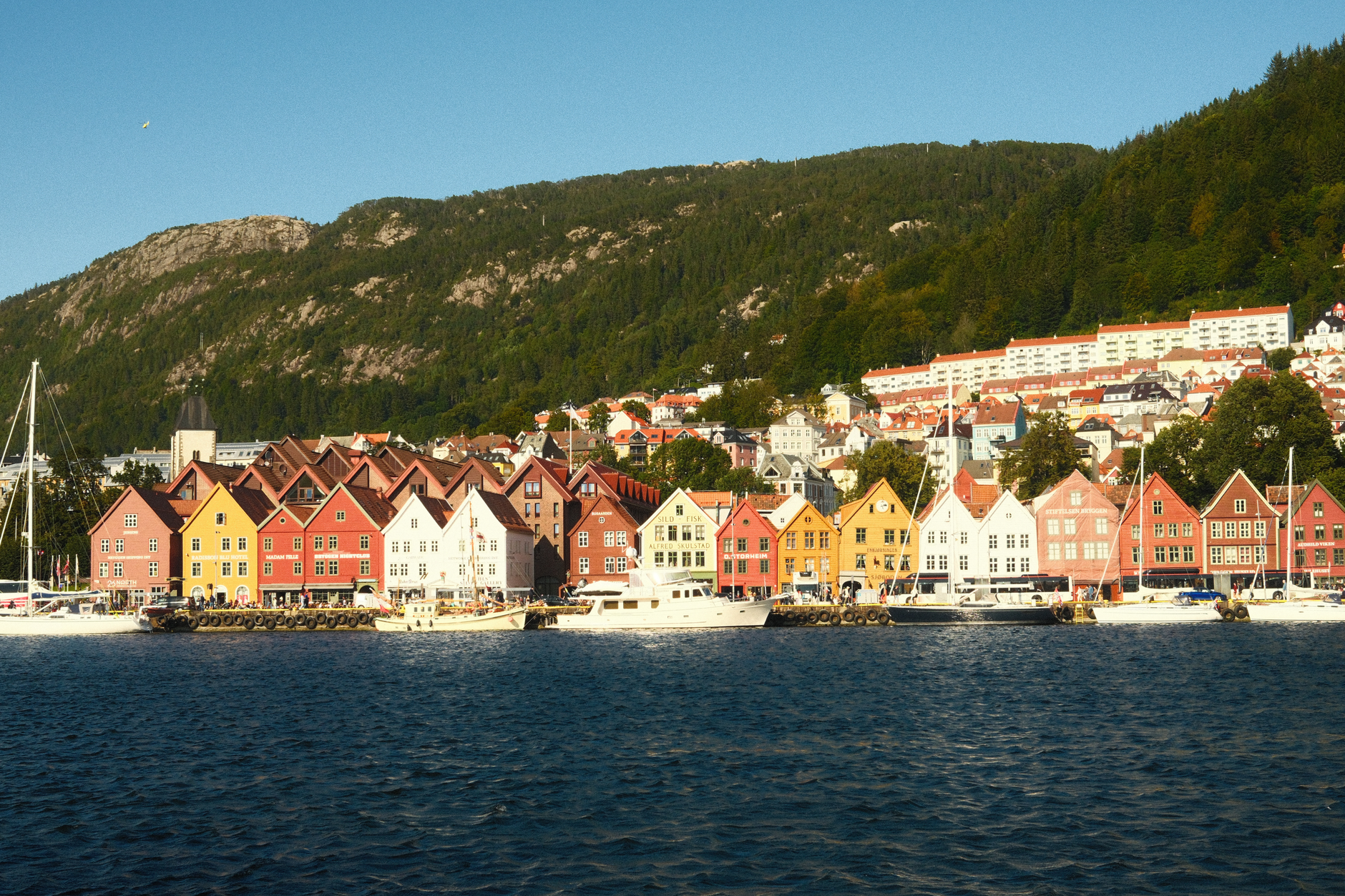
When considering a trip to Norway, many travelers wonder about the cost implications. Known for its breathtaking landscapes, rich cultural history, and vibrant cities, Norway is a unique destination that appeals to a wide range of travelers. However, is it actually expensive to visit?
In this article, we will explore various aspects of travel expenses in Norway, including accommodation, food, transportation, and activities, to help you plan your trip wisely.
Is Norway Expensive To Visit?
Norway is often cited as one of the more expensive countries in Europe, primarily due to its high living standards. While it can be costly, careful planning can help you enjoy its offerings without breaking the bank. Factors such as peak season travel, choice of attractions, and local customs can impact your overall experience and budget.
Understanding the Costs: A Breakdown
To navigate Norway’s costs effectively, it helps to understand how different factors contribute to the overall expense of the trip. Here’s a closer look at typical costs you might encounter:
1. Accommodation Costs
Accommodation can be one of your largest expenses when visiting Norway. Prices can vary significantly based on the type and location of your lodging.
- Hotels: The average price for a mid-range hotel in major cities like Oslo or Bergen ranges from NOK 1,500 to NOK 3,000 per night. Luxury hotels can exceed NOK 5,000.
- Hostels: Dormitory beds are generally priced between NOK 300 and NOK 600 per night, while private rooms can cost around NOK 800 to NOK 1,200.
- Airbnbs: Prices for entire homes or apartments can vary, typically running between NOK 1,000 and NOK 2,500 per night, depending on location and size.
- Campsites: For those looking for more budget-friendly options, camping can be a great choice, costing around NOK 200 to NOK 400 per night.
2. Food and Drink Expenses
Dining out in Norway is known to be pricey, reflecting the country’s high wages and quality food. Here’s what to expect:
- Casual dining: A meal at an inexpensive restaurant typically costs around NOK 200 to NOK 400 per person.
- Mid-range restaurants: A three-course meal for two people can set you back NOK 800 to NOK 1,500.
- Fast food: A meal from chains like McDonald’s can cost about NOK 150 to NOK 200.
- Groceries: If you prefer self-catering, budget around NOK 500 to NOK 800 per week for basic supplies.
3. Transportation Costs
Getting around can also impact your budget. Here are some transportation options and their average costs:
- Public transport: Oslo has an efficient public transport system. A one-way ticket costs around NOK 40, while a 24-hour travel pass is about NOK 120.
- Intercity trains: Prices vary depending on the distance and ticket type, but expect to pay between NOK 300 and NOK 800 for popular routes.
- Buses: Local buses provide affordable transport, often costing NOK 30 to NOK 60 per ride.
- Car rentals: Renting a car ranges from NOK 500 to NOK 1,500 per day, excluding fuel and tolls.
4. Activity and Entrance Fees
Many of Norway’s attractions have associated costs. Here’s a snapshot of common expenses:
- Museums: Entrance fees typically range from NOK 100 to NOK 200.
- Guided tours: Prices can vary greatly. Expect to pay anywhere from NOK 300 to NOK 1,200 depending on the length and type of the tour.
- Outdoor activities: Ski passes range from NOK 400 to NOK 700 per day, while canyoning can cost upwards of NOK 1,000.
When Is the Best Time to Visit Norway?
Understanding when to visit Norway can be crucial for optimizing your budget. Here’s a brief overview by season:
1. Summer (June to August)
Summer offers the warmest weather and the longest days, making it ideal for outdoor activities. However, it is also the peak tourist season, leading to higher prices for accommodation and attractions.
2. Autumn (September to October)
Autumn sees fewer crowds and offers stunning fall foliage, especially in the fjords. Prices can be lower than in summer, but some activities may be limited due to weather conditions.
3. Winter (November to March)
Winter is perfect for skiing and other snow-related activities. While prices can be lower compared to summer, costs for winter sports and accommodations might still be high in ski resorts.
4. Spring (April to May)
Spring marks the beginning of tourist activities returning to full swing, and it’s often cheaper than summer. However, weather can be unpredictable, so be prepared for variability.
Tips for Saving Money in Norway
If you’re looking to cut down on expenses while visiting Norway, consider these practical tips:
- Travel in the shoulder season: Visiting during late spring or early autumn can help you avoid high prices and crowds.
- Use public transport: Opt for trains and buses instead of taxis or rental cars to keep transportation costs low.
- Shop at grocery stores: Prepare meals yourself or buy picnic items to enjoy outdoor meals without the restaurant prices.
- Take advantage of free attractions: Many parks, hiking trails, and cultural sites don’t charge an entrance fee. Look for free walking tours as well.
- Stay in budget accommodations: Consider hostels or campsites which often provide a more cost-effective stay.
Activities to Consider in Norway
While it’s easy to get caught up in the costs, there are abundant activities that can offer experiences worth every krone spent. Here are a few highlights:
1. Explore the Fjords
Nobody visits Norway without experiencing its famed fjords. Consider taking a ferry ride in the Geirangerfjord, where breathtaking views await.
2. Visit Oslo
Oslo offers a mix of culture, history, and outdoor activities. Don’t miss the Viking Ship Museum and the architectural marvel of the Oslo Opera House.
3. Hike to Preikestolen
The iconic Pulpit Rock hike offers stunning views over Lysefjorden. While it’s a strenuous hike, the panorama at the summit is breathtaking.
4. Explore the Northern Lights
For a once-in-a-lifetime experience, consider heading up north during the winter months for a chance to see the Aurora Borealis.
5. Enjoy Local Festivals
Engage in local culture by attending festivals like Bergenfest in Bergen or the Oslo Jazz Festival for an authentic experience.
Accommodations by Travelers’ Needs
Finding the right place to stay can significantly influence your experience. Below are suggestions based on different traveler types:
1. Budget Travelers
Hostels, budget hotels, and camping options can help keep costs manageable.
2. Families
Look for hotels offering family suites, as well as self-catering apartments for added convenience.
3. Luxury Travelers
For those seeking finer accommodations, consider high-end hotels or boutique inns offering unique touches and great service.
4. Solo Travelers
Hostels provide an excellent opportunity to meet fellow travelers, while affordable Airbnbs offer the chance for a personal touch.
Final Thoughts
So, is Norway expensive to visit? While Norway is pricier than many other destinations, the key lies in planning. By budgeting wisely, opting for affordable accommodations, dining smartly, and knowing where to spend your money for experiences, Norway can be as affordable as you make it.
For those interested in travel budget comparisons, consider reading about the costs of visiting France or exploring Slovenia’s travel expenses. Gaining insights from other countries can help in tailoring your own travel plans effectively.