
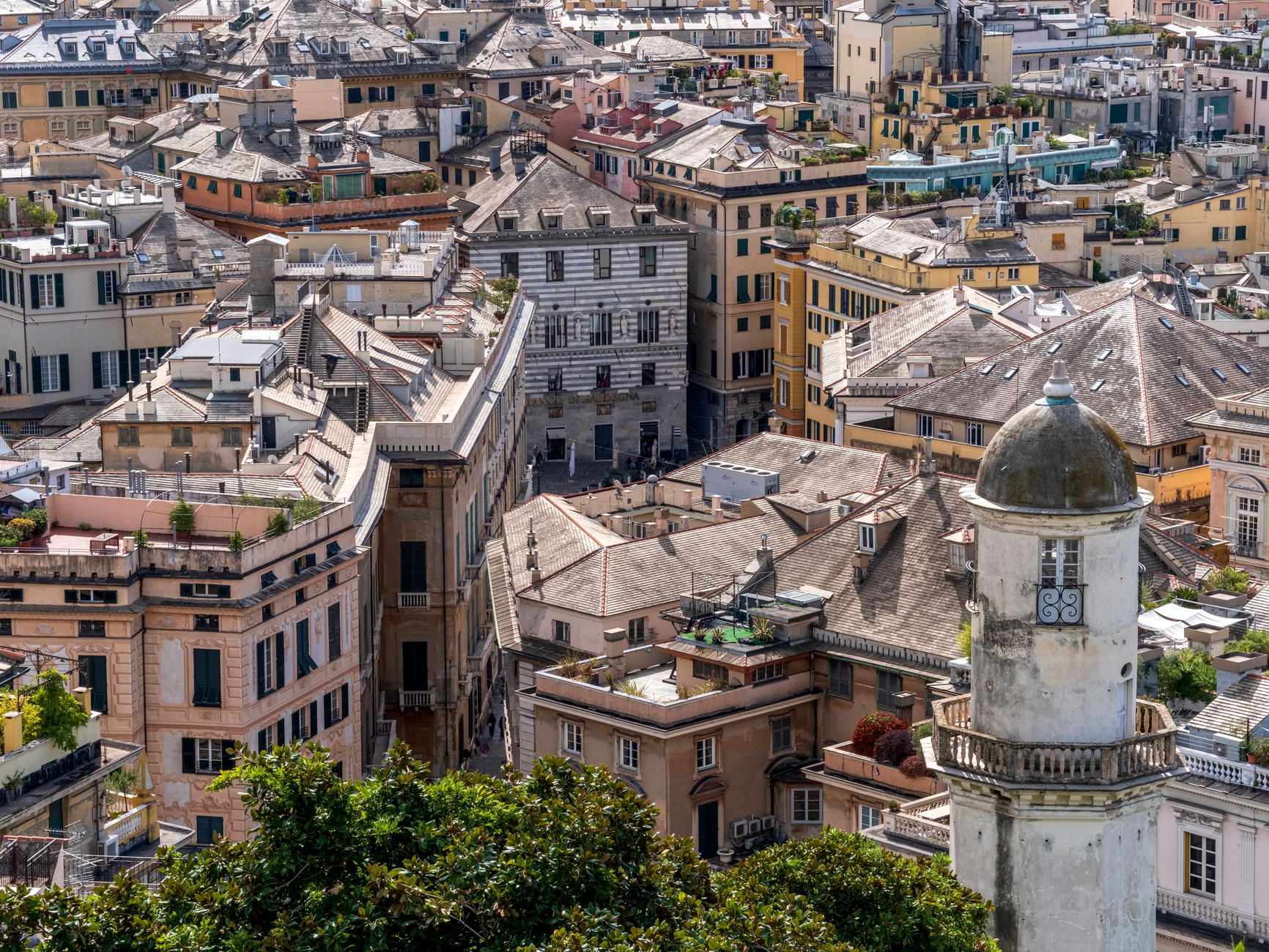
Poland is an intriguing travel destination located in the heart of Europe. With its rich history, stunning architecture, diverse landscapes, and modern urban environments, it offers a wide range of experiences for every type of traveler. Whether you’re interested in history, nature, or culinary delights, Poland has something to offer.
This article will delve into why Poland is a good place to visit, highlighting its key attractions, practical travel tips, accommodation options, and much more.
Is Poland A Good Place To Visit?
Yes, Poland is a good place to visit for its blend of historical heritage and vibrant culture. Its cities are marked by beautiful architecture and rich histories, while its countryside is adorned with picturesque landscapes and numerous national parks, making it suitable for various types of travelers.
Why Visit Poland?
Poland is often praised for its affordability, safety, and friendly locals. The country is home to unique cultural experiences that reflect both its past and contemporary influences. Whether you are exploring the bustling streets of Warsaw or the medieval charm of Krakow, there are countless opportunities for exploration. Here are some reasons why visiting Poland is worth your time:
- Diverse Cities: Each city has its own character. Warsaw is a blend of modern resilience and historical depth. Krakow boasts a well-preserved medieval core. Wroclaw is known for its vibrant atmosphere and countless bridges.
- Rich Culture and History: Poland has a dramatic history, notable in sites such as Auschwitz and the historic capital of Gniezno. The cultural heritage is celebrated through festivals, museums, and architectural wonders.
- Natural Beauty: From the Tatra Mountains to the sandy beaches of the Baltic Sea, Poland’s varied terrain offers numerous outdoor activities like hiking and skiing.
- Delicious Cuisine: Polish food is hearty and flavorful, featuring dishes like pierogi, bigos, and żurek, making it a culinary delight.
- Affordability: Compared to many Western European countries, expenses such as accommodation, food, and transportation are quite reasonable.
Best Time to Visit Poland
Poland has distinctive seasons, and the best time to visit can vary depending on your interests. Here’s a breakdown:
- Spring (March to May): Considered one of the most beautiful times to visit, spring offers mild weather and blooming landscapes, perfect for outdoor activities.
- Summer (June to August): This is peak tourist season. Expect warm weather, numerous festivals, and outdoor events. Popular for hiking in the mountains.
- Autumn (September to November): Fall foliage adds stunning visuals to Poland’s countryside. It’s also less crowded, making it a favorable time for quieter exploration.
- Winter (December to February): Ideal for winter sports enthusiasts, particularly in the Tatra Mountains. Cities come alive with Christmas markets.
Length of Stay
A typical visit to Poland could range from a long weekend to a couple of weeks. For a balanced experience, consider staying around 7-10 days. This duration allows you to visit major cities, explore the countryside, and even add in a day trip to significant historical sites.
Getting to Poland
Poland is well-connected, both by air and land, making it accessible to international travelers:
- By Air: Major international airports include Warsaw Chopin Airport and Krakow John Paul II Airport. Airlines offer direct flights to/from many cities across Europe and beyond.
- By Train: Poland is well-served by the European rail network. You can easily reach cities like Warsaw, Krakow, and Wroclaw by train from various neighboring countries.
- By Bus: Long-distance buses are economical and cover many cities, often providing an alternative to trains.
Getting Around Poland
Public transportation in Poland is efficient and affordable. Here’s what you need to know:
- Public Transport: Major cities have extensive bus and tram networks. Tickets can usually be purchased at vending machines, kiosks, or via mobile apps.
- Trains: Poland’s rail system is reliable for traveling between cities. High-speed trains are available on popular routes.
- Car Rental: Renting a car can be an excellent option for exploring rural areas. Roads are generally in good condition.
- Bicycles: Cycling is a popular mode of transport in cities and scenic routes exist across the countryside.
Where to Stay in Poland
Poland offers a wide variety of accommodation options suitable for different budgets and preferences:
Cities for Lodging
Here are popular cities accompanied by areas to consider for your stay:
- Krakow: The Old Town area is ideal for first-time visitors due to its proximity to main attractions.
- Warsaw: The City Center has numerous hotels, restaurants, and shopping sites, catering to both luxury and budget travelers.
- Wroclaw: Opt for accommodations in the Market Square for charming views and access to nightlife.
Types of Accommodation
Options range from luxury hotels to budget-friendly hostels:
- Hotels: Diverse options exist, from budget to luxury five-star accommodations.
- Hostels: Ideal for solo travelers and backpackers, hostels offer budget-friendly stays with opportunities to meet fellow travelers.
- Guesthouses and B&Bs: Often family-run and provide a more personal touch with local insights.
- Apartments: Short-term apartment rentals can be an excellent choice for families or groups seeking more space and kitchen facilities.
Cultural Experiences in Poland
Immersing yourself in Polish culture can significantly enhance your visit. Here are noteworthy experiences:
- Museums: Visit the Warsaw Uprising Museum for insights into WWII or the Wawel Castle in Krakow, which reflects Poland’s royal history.
- Local Festivals: Participate in festivals like Wrocław’s “The New Horizons Film Festival” or the “Kraków Nativity Scene” competition during Christmas.
- Traditional Music and Dance: Look for folk performances or visit local taverns that host live traditional music.
Must-See Attractions
Poland is dotted with stunning sites and attractions. Here are a few you shouldn’t miss:
Krakow
- Wawel Castle: A must-visit, this stunning hilltop castle symbolizes Poland’s heritage.
- Main Market Square: The heart of Krakow known for its vibrant atmosphere and historic buildings.
- Kazimierz District: Once the Jewish quarter, it is rich in history with unique cafes and shops.
Warsaw
- Old Town: A UNESCO World Heritage site that was meticulously rebuilt after WWII, featuring colorful buildings and historic sites.
- Palace of Culture and Science: A gift from the Soviet Union, it offers panoramic views of the city.
- Lazienki Park: Beautiful gardens housing the famous Chopin Monument.
Wroclaw
- Market Square: One of the largest squares in Europe, filled with beautiful Gothic architecture and lively ambiances.
- Ostrów Tumski: The oldest part of the city, home to stunning churches and serene riverside walks.
Day Trips from Major Cities
Expand your Polish experience with these recommended day trips:
- Auschwitz-Birkenau Memorial and Museum: A sobering yet essential visit, located about an hour from Krakow.
- Zakopane: Located near the Tatra Mountains, it’s perfect for hiking and skiing, accessible from Krakow.
- The Bialowieza Forest: A UNESCO World Heritage site, it’s one of Europe’s last primeval forests, ideal for nature lovers.
Culinary Delights in Poland
Exploring local cuisine is a delightful part of any trip. Here are some classic Polish dishes to try:
- Pierogi: Dumplings stuffed with various fillings, from cabbage and cheese to sweet fruits.
- Bigos: Also known as hunter’s stew, made with cabbage, meats, and spices.
- Żurek: A sour rye soup often served with sausage and hard-boiled eggs.
- Placki ziemniaczane: Potato pancakes served with sour cream or sugar.
Budget Considerations in Poland
Traveling in Poland can be budget-friendly, but here are some aspects to consider:
- Accommodation: Prices vary, but budget hotels and hostels are available in most cities.
- Dining: Dining out is affordable, with local eateries offering hearty meals at reasonable prices.
- Transportation: Public transport is economical, making city exploration feasible without a significant budget.
Safety and Accessibility
Poland is generally considered safe for travelers, but basic precautions are advisable:
- Safety: Keep valuables secure and be aware of your surroundings, especially in crowded tourist areas.
- Accessibility: Major cities are generally accessible for travelers with mobility challenges, though rural areas may have limited facilities.
- Emergency Services: Dial 112 for emergencies, which connects you to all services, similar to the international standard.
Packing Tips for Your Trip
When visiting Poland, consider the season and activities planned. Here are packing essentials:
- Comfortable Shoes: Essential for walking through cities and tourist sites.
- Layered Clothing: Weather can change rapidly, so layering is practical.
- Local Currency: While credit cards are widely accepted, having cash for smaller places can be helpful.
- Travel Adapter: Poland uses type E plugs, so ensure your devices are compatible.
With its blend of history, culture, and nature, Poland is undeniably a good travel destination. Whether you’re drawn to its bustling cities or serene landscapes, the country offers a diverse range of experiences to make your visit memorable. For those planning a trip, be sure to immerse yourself in the rich culture, savor local dishes, and explore a variety of attractions that Polish cities have to offer.
Explore more about travel experiences in the region by checking out some related articles such as the best restaurants in Edinburgh, Scotland, and the best restaurants in Budapest for culinary hopes while you travel!