
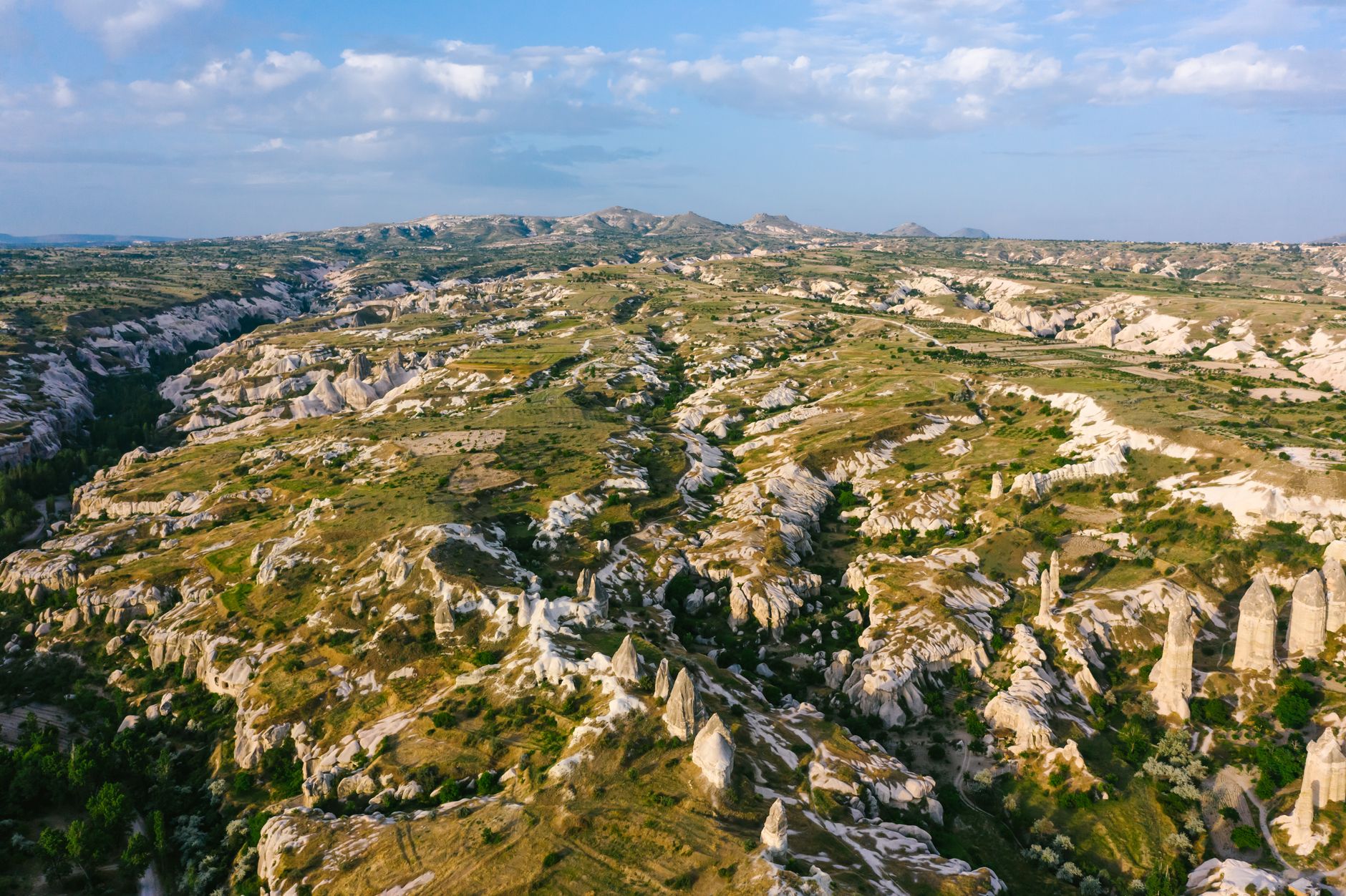
Yellowstone National Park is one of the most iconic national parks in the United States, encompassing vast wilderness, unique geothermal features, and diverse wildlife. Whether you’re an outdoor enthusiast or a casual visitor, the park has something to offer everyone. With its breathtaking landscapes and rich history, many travelers ponder whether Yellowstone is worth the visit.
This article provides an in-depth guide to help you determine if Yellowstone is the right destination for you, including tips on what to do, where to stay, how to get there, and what to expect during your visit.
Is Yellowstone Worth Visiting?
Yes, Yellowstone is worth visiting if you seek stunning natural beauty, unique geological wonders, and opportunities for wildlife viewing. The park is ideal for families, solo travelers, and outdoor lovers, with a plethora of activities to enjoy year-round.
What Makes Yellowstone Unique?
Yellowstone is not just any national park; it’s the first national park in the world, established in 1872. Here are a few highlights that make it a must-see destination:
- Geothermal Features: Home to over half of the world’s active geysers, including the famous Old Faithful, Yellowstone offers a chance to witness these natural phenomena up close.
- Diverse Wildlife: The park is home to grizzly bears, wolves, bison, and elk, making it a prime location for wildlife observation.
- Scenic Landscapes: From the Grand Canyon of Yellowstone to beautiful lakes and rivers, the park’s scenery is remarkable and offers endless photography opportunities.
- Rich History: Beyond its natural beauty, Yellowstone has a rich cultural history, featuring areas that were significant to Native American tribes and early European explorers.
Best Time to Visit Yellowstone
The best time to visit Yellowstone largely depends on what activities you plan to pursue. Seasons change the park dramatically, influencing scenery, accessibility, and wildlife behavior.
Spring (March to May)
Spring is a beautiful time to visit as the park wakes up from winter. Expect mild weather and the blooming of wildflowers. Be mindful that some roads may still be closed due to snow until late May.
Summer (June to August)
Summer is the most popular time to visit Yellowstone. With all facilities open and warm weather, it’s ideal for hiking, camping, and sightseeing. However, expect large crowds, especially at major attractions.
Fall (September to November)
Fall is a fantastic time to see the changing colors, and wildlife is very active, particularly during the elk mating season. Crowds begin to diminish, and temperatures are usually comfortable.
Winter (December to February)
Visiting in winter provides a remarkably tranquil experience. While many roads are closed, snowshoeing and snowmobiling are popular activities, allowing access to some parts of the park.
Suggested Length of Stay
A visit duration of 3 to 7 days is recommended to fully experience Yellowstone. This timeline allows for adequate exploration of key attractions, scenic drives, and wildlife viewing without rushing through the park.
Getting to Yellowstone
Yellowstone is primarily accessible by car, with several entrance points. Here’s how to reach the park:
Major Airports
- Jackson Hole Airport (JAC): Located in Wyoming, about 57 miles from the South Entrance.
- Billings Logan International Airport (BIL): About 130 miles from the park’s northeast entrance, it offers the most flight options.
- Bozeman Yellowstone International Airport (BZN): Roughly 90 miles from the park’s north entrance.
Driving Directions
If driving, it’s important to note that Yellowstone covers a large area. The most popular entries are:
- North Entrance (Gardiner, MT): Open year-round for accessibility.
- West Entrance (West Yellowstone, MT): Common for visitors coming from Idaho.
- South Entrance (Grand Teton National Park): A gateway from Grand Teton, typically open from late May to early November.
- East Entrance (Cody, WY): Beautiful scenic routes but check seasonal accessibility.
Getting Around in Yellowstone
Once in the park, navigating around Yellowstone can be done primarily by car. Here are other options to consider:
Private Vehicles
Driving your own vehicle allows for the greatest flexibility in exploring the park. Major roads connect popular sites, but traffic can be heavy in peak season.
Bicycles
Biking is permitted on paved roads and designated paths, providing a unique way to see the park while enjoying the fresh air.
Shuttle Services
Some companies offer guided tours and shuttles within the park, which can enhance your experience by providing insights into the various points of interest.
What to See and Do
Yellowstone features numerous attractions and experiences. Here’s a list of some must-see landmarks:
Geothermal Areas
- Old Faithful: The park’s most famous geyser, known for its regular eruptions.
- Upper Geyser Basin: Features more geysers than any other area in the park.
- Grand Prismatic Spring: The largest hot spring in the United States, known for its vibrant colors.
- Norris Geyser Basin: The hottest geothermal area in the park, with diverse geothermal features.
Waterfalls and Canyons
- Lower Falls: A stunning 308-foot waterfall in the Grand Canyon of Yellowstone.
- Upper Falls: A beautiful 109-foot waterfall, providing breathtaking views.
- Grand Canyon of Yellowstone: A dramatic gorge with colorful canyon walls offering scenic viewpoints.
Wildlife Watching
The park is an excellent place for wildlife viewing. Popular areas include:
- Hayden Valley: Known for bison and elk herds.
- Lamar Valley: Often referred to as the “Serengeti of North America,” it’s a prime location for spotting wolves and grizzly bears.
Hiking and Outdoor Activities
With over 900 miles of trails, Yellowstone offers abundant hiking opportunities suitable for every skill level:
- Mount Washburn Trail: A popular hike known for panoramic views.
- Fairy Falls: A relatively easy hike leading to spectacular views of the Grand Prismatic Spring.
- Uncle Tom’s Trail: A steep trail down to the base of the Lower Falls, providing close-up views of the waterfall.
Where to Stay in Yellowstone
Accommodations in Yellowstone range from campgrounds to lodges. Here’s a breakdown of your options:
Inside the Park
Staying within the park is advantageous for early access to attractions:
- Old Faithful Inn: A historic lodge located near Old Faithful geyser.
- Lake Yellowstone Hotel: A beautiful lake-view hotel with elegant dining options.
- Campgrounds: Various campgrounds are available for those seeking a more rustic experience; book these in advance during peak season.
Nearby Towns
If you prefer to stay outside the park, consider these towns:
- West Yellowstone: A gateway town with numerous motels, restaurants, and shops.
- Gardiner: Located at the North Entrance, offering various lodging options.
- Cody: A little further away, Cody has a rich history and is worth visiting if time permits.
Where to Eat in Yellowstone
Dining Inside the Park
- Lake Yellowstone Hotel Dining Room: Offers stunning views and a fine dining experience featuring regional dishes.
- Peggy’s Place: A casual spot within Mammoth Hot Springs with hearty meals.
- Old Faithful Snow Lodge Geyser Grill: Quick bites and picnic foods near Old Faithful.
Dining Outside the Park
- Wild West Pizzeria (West Yellowstone): Known for its delicious pizza with unique toppings.
- Innocent Bystander (Gardiner): A quaint eatery serving breakfast and lunch with fresh ingredients.
- The Local (Cody): Offers farm-to-table options and a cozy atmosphere.
Budget Considerations
Entrance Fees
Summer entrance fees are approximately $35 per vehicle or $20 per motorcycle, valid for seven days. Annual passes and interagency passes are also available.
Accommodation Costs
Costs for lodging can vary widely. Expect to pay around $150 to $300 per night during peak times inside the park, while outside accommodations may be slightly more affordable.
Food Expenses
Additional Costs
Consider extra costs for guided tours, activities like horseback riding or fishing, and gear rentals. Always have some buffer in your budget for unforeseen expenses.
Travel Tips for Visiting Yellowstone
- Check for road closures and weather conditions before your trip to avoid surprises.
- Pack layers, as weather can change rapidly in the park.
- Use bear spray when hiking in bear-country areas and always stay a safe distance from wildlife.
- Arrive early to popular sites to beat the crowds.
- Stay hydrated and carry snacks, particularly on long hikes or drives.
Accessibility Considerations
- Most visitor centers have accessible parking and restrooms.
- Certain trails and attractions are wheelchair accessible, including boardwalks.
- Check with the National Park Service for detailed accessibility information for the park.
Family Travel Tips
- Engage children with Junior Ranger programs available at visitor centers.
- Ensure the kids are aware of wildlife safety, especially concerning bears and bison.
- Pack games and activities for downtime at lodges or campsites.
Solo Travel Considerations
- Taking guided wildlife tours can enhance your experience with local knowledge.
- Consider participating in ranger-led programs for enrichment and safety.
- Connecting with other solo travelers through park programs or social media can lead to new friendships.
Yellowstone National Park is undoubtedly worth visiting for anyone who appreciates nature’s grandeur and vibrant ecosystems. Whether you’re hiking in the backcountry, soaking in the views of geysers, or observing wildlife, there’s something for everyone to enjoy.
As you plan your trip, consider exploring related destination guides and travel-planning articles to enrich your travel experience. Be sure to check out The Moody Tourist for fantastic travel insights, the best restaurants in Utah, and more to make your next journey unforgettable.