
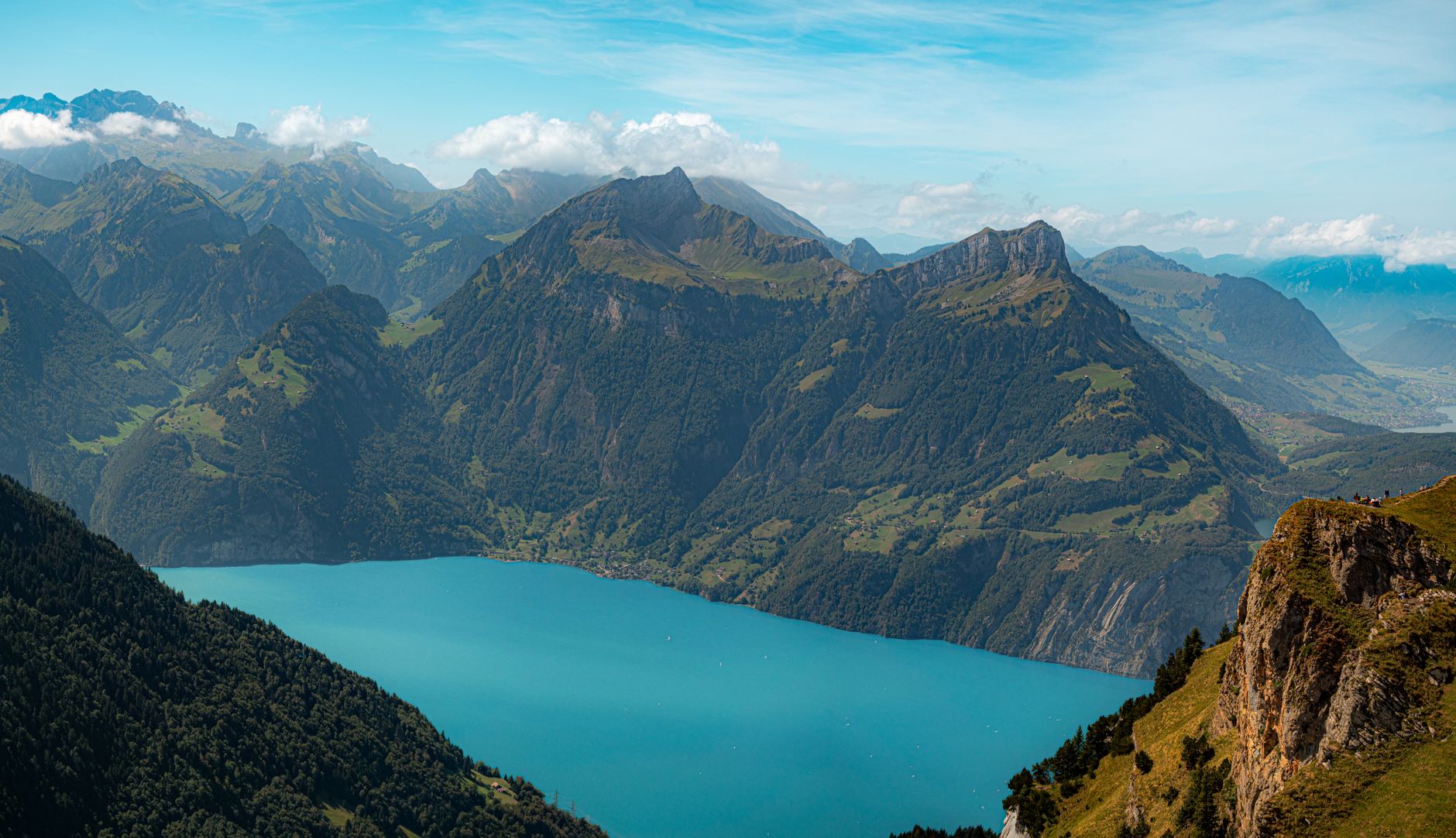
The Dolomites, part of the Southern Limestone Alps located in northeastern Italy, are renowned for their stunning mountain scenery, unique geological formations, and a rich tapestry of outdoor activities. This UNESCO World Heritage site is favored by travelers for its breathtaking landscapes, quaint alpine villages, and opportunities for adventure throughout the year.
From the iconic peaks of the Tre Cime di Lavaredo to the charming valleys filled with vibrant wildflowers, the Dolomites offer something for everyone—whether you’re an outdoor enthusiast, a family looking for a getaway, or a couple seeking a romantic retreat.
What Are The Dolomites Famous For?
The Dolomites are famous for their dramatic mountain landscapes, diverse wildlife, rich cultural heritage, and opportunities for skiing, hiking, and climbing. They attract visitors year-round with their stunning natural beauty and variety of outdoor activities suitable for all ages and interests.
Why the Dolomites Are Worth Visiting
The Dolomites stand out not only for their spectacular scenery but also for their unique geology. The region is characterized by its limestone formations that have taken on breathtaking shapes over millions of years. Visitors are drawn to the rich array of outdoor activities, artistic history, and authentic Italian culture, making the Dolomites a perfect destination.
Stunning Scenery and Outdoor Activities
The iconic jagged peaks and lush valleys provide an idyllic backdrop for myriad outdoor activities.
- Hiking: The Dolomites are known for their extensive network of hiking trails, catering to all skill levels. Popular regions such as the Alta Via 1 and 2 offer multi-day treks with mountain huts to stay overnight.
- Skiing: In the winter months, the Dolomites transform into a winter wonderland ideal for skiing. Resorts like Cortina d’Ampezzo and Val Gardena are well-regarded for their excellent slopes and facilities.
- Climbing: The Dolomites offer world-class climbing experiences. The Via Ferrata routes, a series of protected climbing paths, allow climbers of various abilities to experience breathtaking heights safely.
Cultural Heritage
The Dolomites are also rich in culture and history, influenced by Ladin, Italian, and Austrian traditions. Visitors can experience this unique blend through local festivals, traditional cuisine, and architecture.
Picturesque Villages
A visit to the Dolomites is incomplete without exploring its picturesque villages, each with its charm and history. Places like Ortisei and Canazei offer authentic experiences, including local crafts, cuisine, and stunning architecture.
Best Areas and Attractions in the Dolomites
The Dolomites encompass multiple regions, each with its unique attractions. Here are some of the best areas and highlights that shouldn’t be missed when planning your trip:
Val Gardena
Val Gardena is famous for its ski resorts, picturesque valleys, and numerous hiking trails. This valley provides access to iconic peaks and is home to traditional Ladin culture.
- Seceda: The stunning views from Seceda are a perfect setting for outdoor activities like skiing in winter and hiking in summer.
- Ortisei: This charming village is well-known for its wood-carving traditions and offers numerous accommodations and restaurants.
Alta Badia
Known for its upscale resorts and gourmet experiences, Alta Badia combines elegance with breathtaking landscapes.
- St. Kassian: This village is a great base for exploring hiking trails and local cuisine, famous for its speck and cheese.
- Lagazuoi: A popular area for skiing and hiking, offering impressive panoramic views from its peak.
Cortina d’Ampezzo
Cortina d’Ampezzo is perhaps the most famous of all Dolomite towns, known for its skiing and vibrant atmosphere.
- Cinque Torri: Renowned for its climbing opportunities and stunning views, it is a hotspot both in summer and winter.
- Olympic Ski Jump: A remnant of the 1956 Winter Olympics, it’s now an iconic structure worth visiting.
Tre Cime di Lavaredo
The Tre Cime di Lavaredo (Three Peaks of Lavaredo) are iconic and among the most photographed mountains in the Dolomites.
- Hiking Trails: Various trails allow visitors to get up close to the peaks, including a loop trail that is accessible during the summer months.
- Scenic Views: The area offers stunning views and is ideal for outdoor activities and photography.
Belluno
Belluno is a lesser-known gem that offers authentic Italian experiences away from the more touristy areas.
- Riserva Naturale Grotte del Caglieron: This natural reserve features striking caves and beautiful walking paths.
- Historic Town Center: Explore historic sites and local dining options that showcase regional cuisine.
How to Get There and Get Around
The Dolomites are easily accessible by various means of transportation, making it convenient for travelers. Here’s how you can get there and navigate around the region:
Getting There
The most common way to reach the Dolomites is via Venice, which is about a two to three-hour drive from the heart of the Dolomites.
- By Plane: Fly into Venice Marco Polo Airport, then rent a car or take a shuttle bus to your destination.
- By Train: Reach the nearest major train station such as Bolzano or Cortina d’Ampezzo, and then use a local bus to enter valleys.
Getting Around
The Dolomites are well-connected by local buses, which traverse through the various villages and attractions. However, renting a car can provide more flexibility.
- Public Transportation: Local buses operate regularly, making it easy to travel between towns.
- Car Rental: Renting a car allows for convenient access to remote areas, especially useful for discovering hidden gems.
When to Visit
Choosing the right time to visit the Dolomites depends on your preferred activities and experiences. Here’s a seasonal overview to help you plan:
Summer (June to September)
This peak season is ideal for hiking, climbing, and outdoor activities. The weather is warm, and the flowers are in full bloom.
Fall (October to November)
A beautiful time to visit as the leaves change color. Crowds decrease, making it an excellent time for a quieter experience.
Winter (December to March)
Winter attracts skiers and snowboarders from around the world. The festive atmosphere during Christmas and New Year adds to the charm of this season.
Spring (April to May)
A shoulder season where the snow begins to melt, providing scenic views and great conditions for early hikes.
Suggested Length of Stay
A trip to the Dolomites typically requires at least five to seven days to explore the main attractions and activities.
This length allows you to experience different valleys, partake in hiking or skiing, and immerse yourself in the local culture. If time permits, extend your stay to explore more remote areas or engage in specific activities such as climbing or culinary experiences.
Accommodation Options
Luxury Hotels
For travelers looking for a high-end experience, consider:
- Hotel Cristallo in Cortina d’Ampezzo
- Alpenpalace Luxury Hideaway & Spa Retreat in Ahrntal
Mid-Range Hotels
Good options for families or budget-conscious travelers include:
- Hotel Cir in Dobbiaco
- Hotel Lago di Braies
Apartments and Guesthouses
For a more local experience, renting an apartment or staying in a guesthouse is recommended:
- Gasthof Post in San Cassiano
- Villa al Sole in Ortisei
Food and Drink in the Dolomites
The culinary scene in the Dolomites reflects the blend of various cultures, offering delicious local dishes. Here are some must-try foods and drinks:
Local Specialties
- Speck: Cured ham that is a staple in the region, often served with bread and cheese.
- Polenta: A traditional dish made from cornmeal, common in many Italian alpine regions.
- Strudel: An apple strudel is a sweet pastry that represents the region’s Austrian influences.
Wineries
The Dolomites are home to several vineyards, with wines excellent for pairing with local cuisine. Notable wineries include:
- Elena Walch in Tramin
- Azienda Agricola Rüben in Bolzano
Budget Considerations
Budgeting for a trip to the Dolomites will depend on the activities, accommodation choices, and dining preferences. Here are some considerations:
Estimated Daily Costs
| Expense | Low Range (€) | High Range (€) |
|---|---|---|
| Accommodation | 60 | 300 |
| Food | 30 | 100 |
| Activities | 20 | 100 |
| Transportation | 10 | 50 |
Prices can vary depending on the season, so it’s wise to research and plan in advance to avoid unexpected expenses.
Practical Planning Tips
Here are some practical tips to enhance your trip to the Dolomites:
- Book transportation and accommodation in advance, especially during the peak season.
- Learn basic Italian phrases to enrich your interactions with locals.
- Dress in layers as weather can change unpredictably, especially in mountainous regions.
- Download offline maps and translation apps, as you may encounter spots with limited connectivity.
Safety and Accessibility Considerations
When traveling to the Dolomites, considering safety is essential, especially when engaging in outdoor activities.
Outdoor Safety
Hikers and climbers should prepare adequately, informing someone of their plans and being aware of weather conditions. Following designated trails and using appropriate gear is crucial.
Accessibility
While many trails and attractions are accessible, some areas can be challenging. It’s advisable to check accessibility options, especially for those with mobility issues.
The Dolomites are a wondrous destination, rich in natural beauty and cultural diversity. With the right planning and preparation, a trip to this breathtaking region promises an unforgettable experience.
Explore related destination guides and travel-planning articles to enhance your travel journey, such as the best restaurants in Venice or the best restaurants in Florence.