
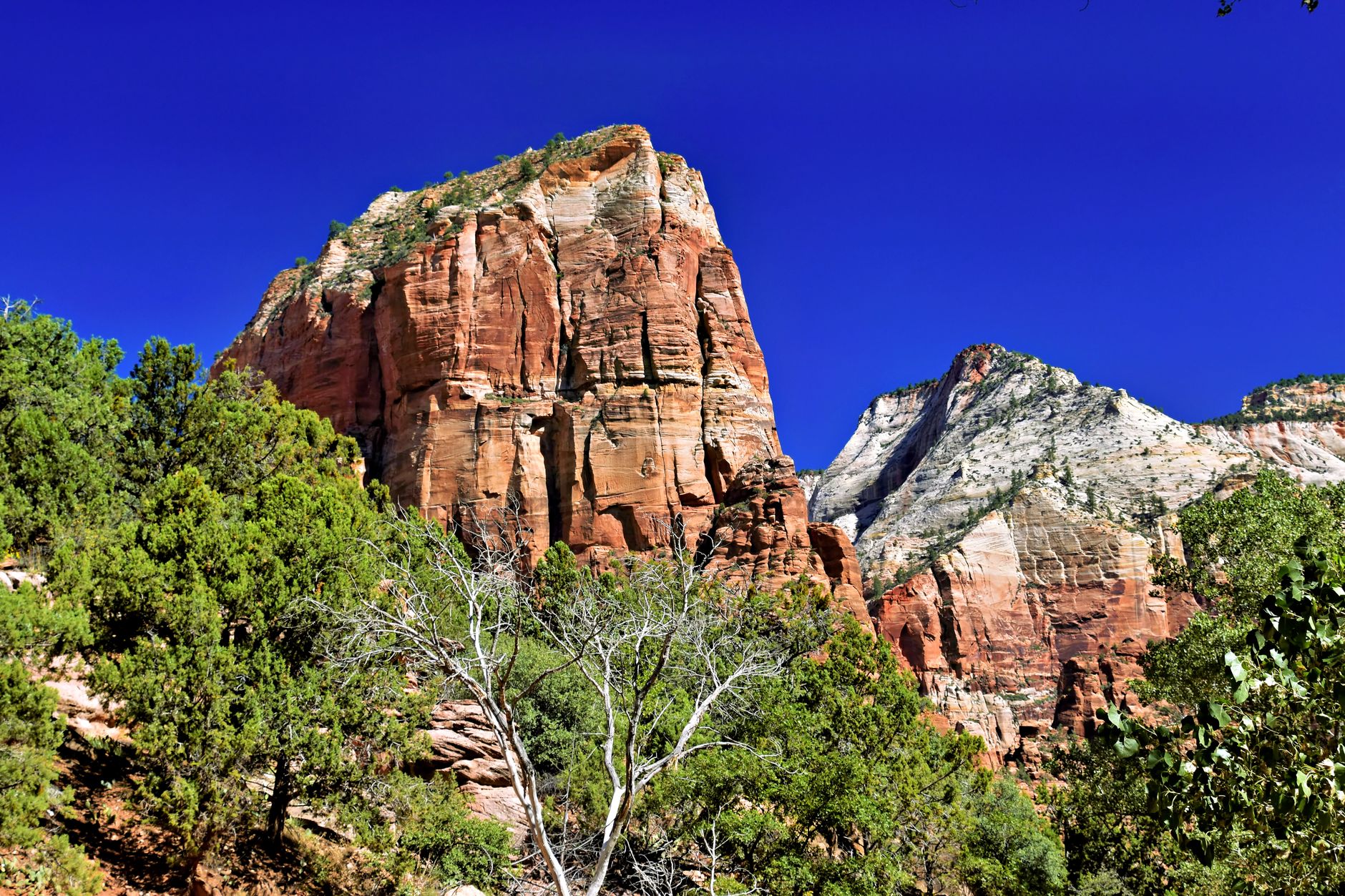
Utah is home to five breathtaking national parks, collectively known as the Mighty 5. Each park showcases the stunning diversity of the state’s landscape, from towering rock formations to expansive canyons. Here, you’ll find a blend of outdoor adventures, scenic drives, and captivating geological features, all waiting for you to explore.
This guide will help you understand what makes each of these parks unique, as well as practical tips on planning your visit, from when to go and how to get around to where to stay and what to do.
What Are The Mighty 5 National Parks?
The Mighty 5 National Parks in Utah are Arches, Canyonlands, Capitol Reef, Bryce Canyon, and Zion. Each park offers its own unique attractions, ensuring a memorable experience for any visitor. These destinations are perfect for outdoor enthusiasts, families, and anyone seeking the beauty of nature.
1. Arches National Park
Located just outside of Moab, Arches National Park is renowned for its stunning natural arches and unique rock formations. More than 2,000 arches exist within its boundaries, including the iconic Delicate Arch and Landscape Arch.
Best visited in spring and fall due to the moderate weather, Arches National Park is ideal for a variety of activities.
Things to Do
- Delicate Arch: A must-see, this arch is best viewed at sunrise or sunset for breathtaking views.
- Devils Garden Trail: A popular trail that includes several arches, the trailhead allows for various lengths of hikes.
- Scenic Drive: A 18-mile loop that covers many picturesque viewpoints, perfect for a leisurely tour.
Getting There and Around
Arches National Park is approximately a 5-hour drive from Salt Lake City. The best way to get around is by car, as the park’s attractions are spread out. Arrive early in the day, especially during peak season, to secure parking and enjoy the views without the crowds.
Where to Stay
Options near Arches include:
- Moab: Numerous hotels, motels, and camping options are available.
- Campsites: The park has designated campgrounds, though reservations are recommended during peak seasons.
2. Canyonlands National Park
Canyonlands National Park is expansive, covering over 337,000 acres and offering stunning views of canyons, mesas, and buttes carved by the Colorado River. The park is divided into four districts: Island in the Sky, The Needles, The Maze, and the rivers.
The Island in the Sky is the most accessible area and is ideal for a day visit.
Things to Do
- Grand View Point: Offers panoramic views of the canyonlands; a short hike provides excellent vantage points.
- Island in the Sky Scenic Drive: A 36-mile route featuring numerous overlooks and viewpoints.
- Needles District: Explore intricate rock formations and diverse landscapes with various hiking trails.
Getting There and Around
Canyonlands is also accessible from Moab and is about a 30-minute drive from Arches. The best way to explore the park is by car, but some areas may require high-clearance vehicles, particularly the Needles District.
Where to Stay
Options near Canyonlands include:
- Moab: Similar accommodations as Arches.
- Canyonlands Campgrounds: There are campgrounds within the park, though reservations may be required.
3. Capitol Reef National Park
Capitol Reef National Park is known for its unique Waterpocket Fold, a nearly 100-mile warp in the Earth’s crust created by geological processes. Less crowded than some of the other parks, it offers a quieter experience for visitors.
The park is perfect for outdoor activities, with hikes that cater to all skill levels.
Things to Do
- Waterpocket Fold: Explore its colorful cliffs and canyons, best experienced along the Scenic Drive.
- Hickman Bridge Trail: A moderate hike that leads to a spectacular natural bridge.
- Historic Fruita: Visit this former fruit-growing community and check out the preserved orchards and old schoolhouse.
Getting There and Around
Capitol Reef is about 2 hours from Arches and 3 hours from Zion National Park. The best way to get around is by car, with several scenic drives available throughout the park.
Where to Stay
Options near Capitol Reef include:
- Torrey: A small town nearby that offers various hotels and bed-and-breakfasts.
- Campgrounds: The park has campgrounds, often filling up during peak seasons.
4. Bryce Canyon National Park
Bryce Canyon is famous for its unique hoodoo rock formations and sweeping views. The park’s amphitheater-like structure is best experienced at sunrise or sunset, when the rocks glow with vibrant colors.
With a moderate climate, the best times to visit are spring and fall, as summer can be quite crowded.
Things to Do
- Rim Trail: Offers breathtaking views along the rim of the canyon, with sections suitable for all fitness levels.
- Queen’s Garden Trail: An easier hike that leads down into the amphitheater, surrounded by magnificent rock formations.
- Stargazing: Due to minimal light pollution, Bryce Canyon is a fantastic location for stargazing.
Getting There and Around
Bryce Canyon is located approximately 3 hours from Zion and about 4 hours from Salt Lake City. The park can be explored by car, and shuttles are available during the busier months to alleviate parking issues.
Where to Stay
Options near Bryce Canyon include:
- Nearby Towns: Both Panguitch and Tropic offer various lodging options.
- Campgrounds: Bryce Canyon has campgrounds within the park, and reservations may be required.
5. Zion National Park
Zion National Park is perhaps the most renowned of the Mighty 5, famous for its dramatic cliffs, canyons, and diverse ecosystems. With vast opportunities for hiking, rock climbing, and canyoneering, it attracts a broad range of outdoor enthusiasts.
Spring and fall are considered the best times to visit, with milder weather and stunning colors in the landscape.
Things to Do
- Angels Landing: This challenging hike rewards climbers with breathtaking views from the summit, but caution is advised due to steep drop-offs.
- The Narrows: Hike through the Virgin River, surrounded by towering canyon walls—a unique experience best done during summer.
- Zion Canyon Scenic Drive: A scenic route that features numerous viewpoints and access to popular trailheads.
Getting There and Around
Zion is about a 2-hour drive from Las Vegas and approximately 4 hours from Salt Lake City. In the peak season, a shuttle service operates in the main canyon, making it easy to navigate without the hassle of parking.
Where to Stay
Options near Zion include:
- Springdale: This nearby town has several hotels, lodges, and vacation rentals.
- Campgrounds: Surrounded by nature, the park has campgrounds, but reservations are highly encouraged during peak season.
When to Visit The Mighty 5
The best time to visit the Mighty 5 National Parks in Utah is during the shoulder seasons of spring (April to June) and fall (September to October). The weather is generally pleasant during these periods, making it easier to engage in outdoor activities without the oppressive heat.
Be mindful that summer can bring higher temperatures, particularly at lower elevations, and may result in crowded conditions in popular areas. Winter visits are also possible, but snow and cold temperatures can limit access to specific trails and roads.
Suggested Length of Stay
A suggested length of stay for visiting all five parks is approximately 10 days to two weeks. This allows ample time to explore each park, engage in activities, and take day trips to nearby attractions. If time allows, consider spending extra days in Moab, which serves as a great base for Arches and Canyonlands.
Budget Considerations
Visiting the Mighty 5 can be a budget-friendly trip, depending on your choices for lodging, activities, and travel. Here are some budget considerations:
- Park Entrance Fees: Most parks charge entrance fees ranging from $20 to $35 per vehicle. Consider purchasing an America the Beautiful pass, which covers entrance to all national parks for one year.
- Accommodation: Prices for hotels and campgrounds vary, with camping being a more economical option. Budget for meals, gas, and activities as well.
- Activities: While many parks offer free visitor center programs, guided tours and specialized activities could add to your expenses.
Transportation and Accessibility
Driving is the most convenient way to explore the Mighty 5. A rental vehicle allows flexibility while visiting the parks, especially for those wanting to explore various trailheads. Be aware that some areas may require high-clearance or four-wheel-drive vehicles.
All parks generally offer accessible experiences for those with mobility challenges, and specific trails may accommodate wheelchairs. Always verify accessibility features in advance to ensure a safe and enjoyable visit.
Planning Your Adventure
Here are some tips to consider for planning your adventure in the Mighty 5:
- Pack Properly: Bring plenty of water, snacks, sun protection, and appropriate clothing for variable weather.
- Arrive Early: To avoid crowds and secure parking at popular trailheads, early morning starts are advisable.
- Stay Flexible: Weather can impact activities. Be willing to adjust your plans as needed.
- Download Maps: Cell service may be sparse in the parks. Consider downloading park maps or securing physical copies beforehand.
Conclusion
The Mighty 5 National Parks in Utah provide an unparalleled array of natural wonders and outdoor experiences. Whether you’re hiking, stargazing, or simply soaking in the breathtaking views, there’s something for everyone in these stunning landscapes. Plan wisely, follow the guidelines, and immerse yourself in the beauty of Utah’s national parks.
For further exploration, check out our guides on the best restaurants in Utah and the best restaurants in Arizona.