
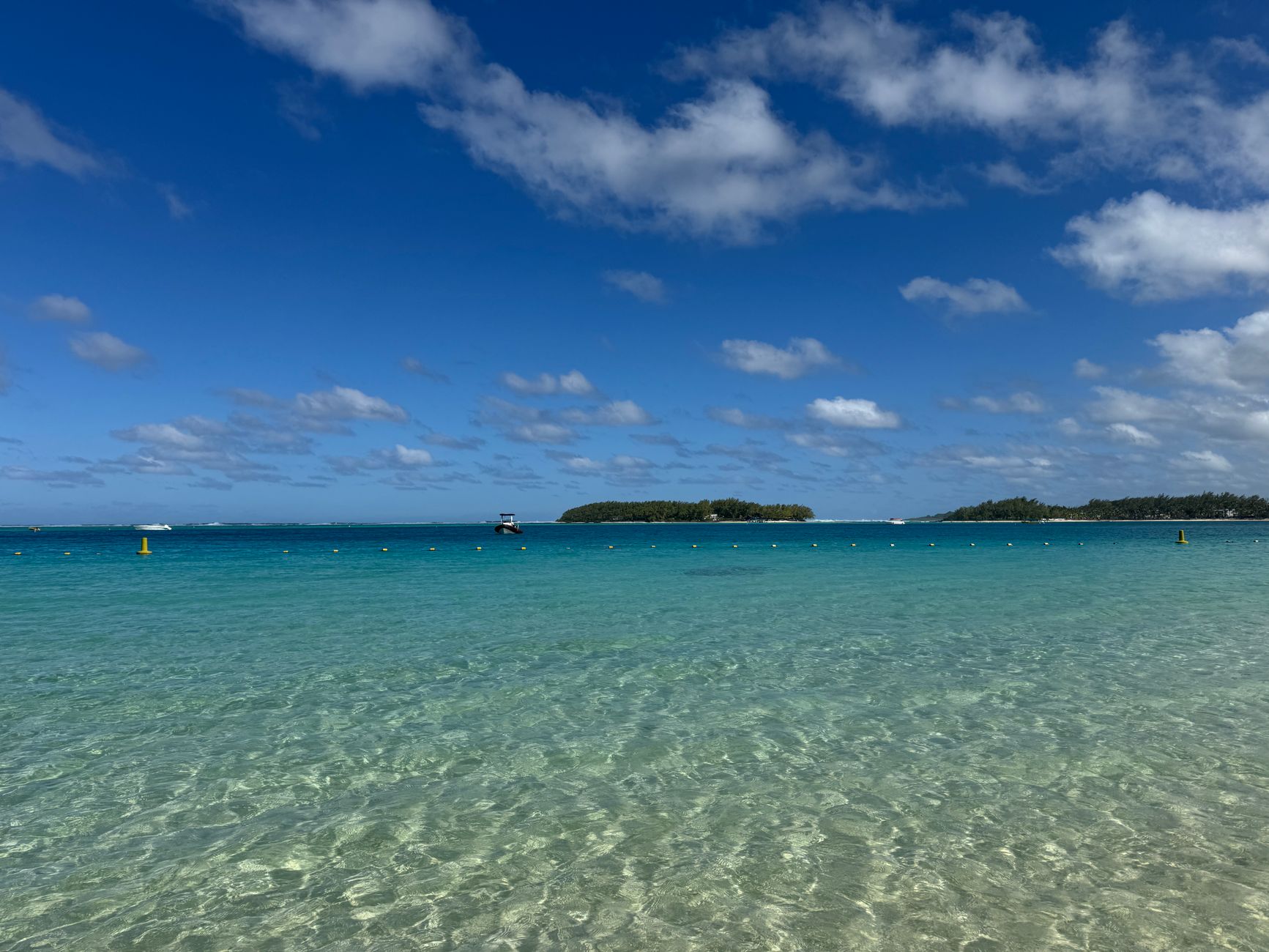
The Caribbean is renowned for its stunning beaches, vibrant cultures, and exhilarating adventures. However, safety is a significant concern for many travelers looking to enjoy this picturesque region. The good news is that several Caribbean islands stand out as some of the safest destinations to visit, offering a delightful blend of relaxation and exploration.
This article will guide you through the safest Caribbean islands, highlighting what makes them worth visiting, who they are best suited for, and practical considerations for planning your trip. So whether you’re a family, a solo traveler, or a couple seeking romance, there’s a safe haven waiting for you in the Caribbean.
What Are The Safest Caribbean Islands?
The safest Caribbean islands include the Cayman Islands, Aruba, Barbados, Saint Lucia, and Curacao. These islands boast low crime rates, friendly locals, and well-developed tourist infrastructures, making them ideal for visitors looking for a worry-free getaway.
Cayman Islands: An Overview
The Cayman Islands come highly recommended for safety and tranquility. The islands include Grand Cayman, Cayman Brac, and Little Cayman, known for their pristine beaches, vibrant coral reefs, and welcoming atmosphere.
What Makes it Worth Visiting?
The Cayman Islands are an ideal choice for beach lovers, divers, and snorkelers. Seven Mile Beach is famous for its powdery sand and clear waters. Besides lounging on the beach, visitors can explore the stunning underwater world at the Cayman’s renowned dive sites.
Best Areas and Attractions
- Grand Cayman: Home to Seven Mile Beach, the capital George Town, and attractions like Stingray City.
- Cayman Brac: Known for outdoor adventures like hiking and scuba diving.
- Little Cayman: A tranquil escape ideal for relaxation and birdwatching.
Getting There and Around
Direct flights are available from various U.S. cities to Owen Roberts International Airport in Grand Cayman. Car rentals and taxis are common transportation options, but local buses are an economical alternative.
Where to Stay
Accommodations range from luxurious resorts on Seven Mile Beach to more budget-friendly guesthouses on the outer islands. Popular stays include The Ritz-Carlton and Sunshine Suites Resort.
Practical Tips
There are no specific vaccinations required for entry, but standard travel insurance is advisable. Check for local advisories before traveling.
Aruba: A Safe Island Getaway
Located just north of Venezuela, Aruba is famous for its stunning beaches, friendly locals, and sunny weather year-round. It has consistently ranked as one of the safest Caribbean islands for visitors.
What Makes it Worth Visiting?
Aruba’s diverse landscapes, rich culture, and warm hospitality make it an excellent choice for families and adventurous travelers alike. Its beaches are rated among the best in the world.
Best Areas and Attractions
- Oranjestad: The colorful capital brimming with shopping, dining, and entertainment options.
- Palm Beach: Known for its upscale resorts and vibrant nightlife.
- Arikok National Park: A natural wonder full of hiking trails, unique flora, and fauna.
Getting There and Around
Queen Beatrix International Airport connects Aruba to major U.S. cities and other Caribbean islands. Renting a car or using taxis is advisable for greater flexibility.
Where to Stay
Accommodations range from luxury resorts like the Ritz-Carlton Aruba to budget-friendly hotels and vacation rentals. Look for options based on your travel style.
Practical Tips
Always check current travel advisories and insurance policies. Aruba has a very low crime rate, but stay alert and avoid venturing too far off the beaten path.
Barbados: A Cultural Gem
Barbados offers visitors a blend of stunning beaches, rich history, and local culture, making it a great choice for tourists concerned about safety. The island is well-developed in terms of tourist services.
What Makes it Worth Visiting?
Famous for its lively festivals, historic sites, and mouth-watering cuisine, Barbados combines relaxation with cultural exploration. It’s a great spot for family trips, romance, and solo adventures.
Best Areas and Attractions
- Bridgetown: The capital city, where you can explore historical sites and enjoy the vibrant atmosphere.
- St. Lawrence Gap: Known for its nightlife and dining options.
- Bathsheba Beach: A surfing hub famous for its dramatic coastline.
Getting There and Around
Grantley Adams International Airport serves as the main entry point. The island has a reliable bus system, taxis, and rental car services to facilitate travel.
Where to Stay
Choices range from resorts like Sandy Lane to charming guesthouses and rentals. Budget-conscious travelers will find several affordable hotels and Airbnb options.
Practical Tips
Health and safety precautions should always be observed. Barbados has a lower crime rate, but standard precautions like avoiding deserted areas at night are advisable.
Saint Lucia: A Scenic Paradise
Saint Lucia is known for its dramatic scenery, including the iconic Pitons, and offers visitors a chance to explore nature while ensuring safety. Its reputation for hospitality and warmth makes it inviting for travelers.
What Makes it Worth Visiting?
Saint Lucia is a haven for nature lovers, offering everything from hiking trails to hot springs. This island is perfect for those looking for a mix of adventure and relaxation.
Best Areas and Attractions
- Pigeon Island National Park: Rich in history and ideal for hiking trails.
- Soufrière: Home to the famous drive-in volcano and hot springs.
- Rodney Bay: Known for its lively beaches and dining options.
Getting There and Around
Hewanorra International Airport receives flights from various locations. Renting a car is beneficial, but taxis and shuttle services are widely available.
Where to Stay
Accommodations range from luxury resorts like Jade Mountain to boutique hotels and budget guesthouses. There are options to suit various budgets.
Practical Tips
Consult local travel advisories for updates on safety measures. Saint Lucia generally has a low crime rate, making it a safe destination for travelers.
Curacao: A Colorful Adventure
Curacao is often overlooked but offers a unique blend of culture, safety, and outdoor activities. Its colorful buildings and stunning beaches invite exploration in a relaxed setting.
What Makes it Worth Visiting?
The island’s diverse cultural influences and vibrant landscapes make it an exciting destination. Curacao offers something for everyone, from historical sites to water sports.
Best Areas and Attractions
- Willemstad: The charming capital known for its colorful Dutch colonial architecture.
- Blue Bay: A beautiful beach with options for snorkeling and dining.
- Christoffel National Park: Offers hiking trails and stunning views of the island.
Getting There and Around
Curacao International Airport connects the island to several cities. Biking, renting a car, or using local buses are ideal for getting around.
Where to Stay
Options range from luxurious resorts to budget-friendly hotels and hostels. Researching neighborhoods can help you find the right fit.
Practical Tips
Check for any health precautions before traveling, and ensure standard safety measures are followed. Curacao is considered one of the safest Caribbean islands.
When to Visit the Caribbean Safest Islands
The best time to visit most Caribbean islands generally falls between December and April. During this period, the weather is pleasant, and prices for accommodations may be slightly higher. However, this is also when tourists flock to the islands.
Off-Peak Advantages
Visiting during the shoulder season (May to November) can result in lower accommodation rates and fewer crowds, but the weather might be more humid, with a higher chance of rain.
Length of Stay Recommendations
A stay of at least five to seven days is advisable for the safest islands, as this provides ample time to relax, explore the local culture and scenery, and engage in activities. If you plan to visit multiple islands, consider extending your trip for a smoother experience.
Budget Considerations for the Caribbean
Traveling to the Caribbean can vary significantly in terms of cost, depending on your destination, season, and type of accommodation. Here’s a quick breakdown of potential expenses:
| Expense Type | Average Cost |
|---|---|
| Accommodation (per night) | $100 – $500+ |
| Meals (per day) | $40 – $150+ |
| Transportation (per week) | $50 – $300 |
| Activities (per person) | $50 – $200+ |
Travel Planning Tips
- Book flights and accommodations well in advance to secure the best rates.
- Consider meal plans or all-inclusive resorts for budget control.
- Always have a mix of cash and cards, as some places only accept cash.
Accessibility Considerations
Accessibility varies among the safest Caribbean islands. Most have well-paved roads, but some remote areas may have limited access for those with mobility challenges. Research your chosen destinations in advance for suitable accommodations and attractions.
Family, Solo Traveler, and Safety Considerations
The aforementioned islands cater to various travel styles and types of travelers. Families can enjoy the child-friendly beaches and varied activities, while solo travelers will find charming atmospheres and opportunities to meet fellow travelers. Always be aware of your surroundings and follow local advice for safety.
The Caribbean islands mentioned in this article offer an excellent mix of safety, adventure, and relaxation. As you plan your trip, ensure that you stay informed on current travel safety advisories and local regulations before your departure. The tropical paradise you seek is out there waiting, ensuring that concerns about safety are kept to a minimum while you soak in the surrounding beauty.
Now that you’re equipped with knowledge about the safest Caribbean islands, take the next step in solidifying your travel plans. Research and book that well-deserved escape at destinations like Cayman Islands, or find out more about Curacao’s safety as you embark on your journey to relaxation and adventure.