
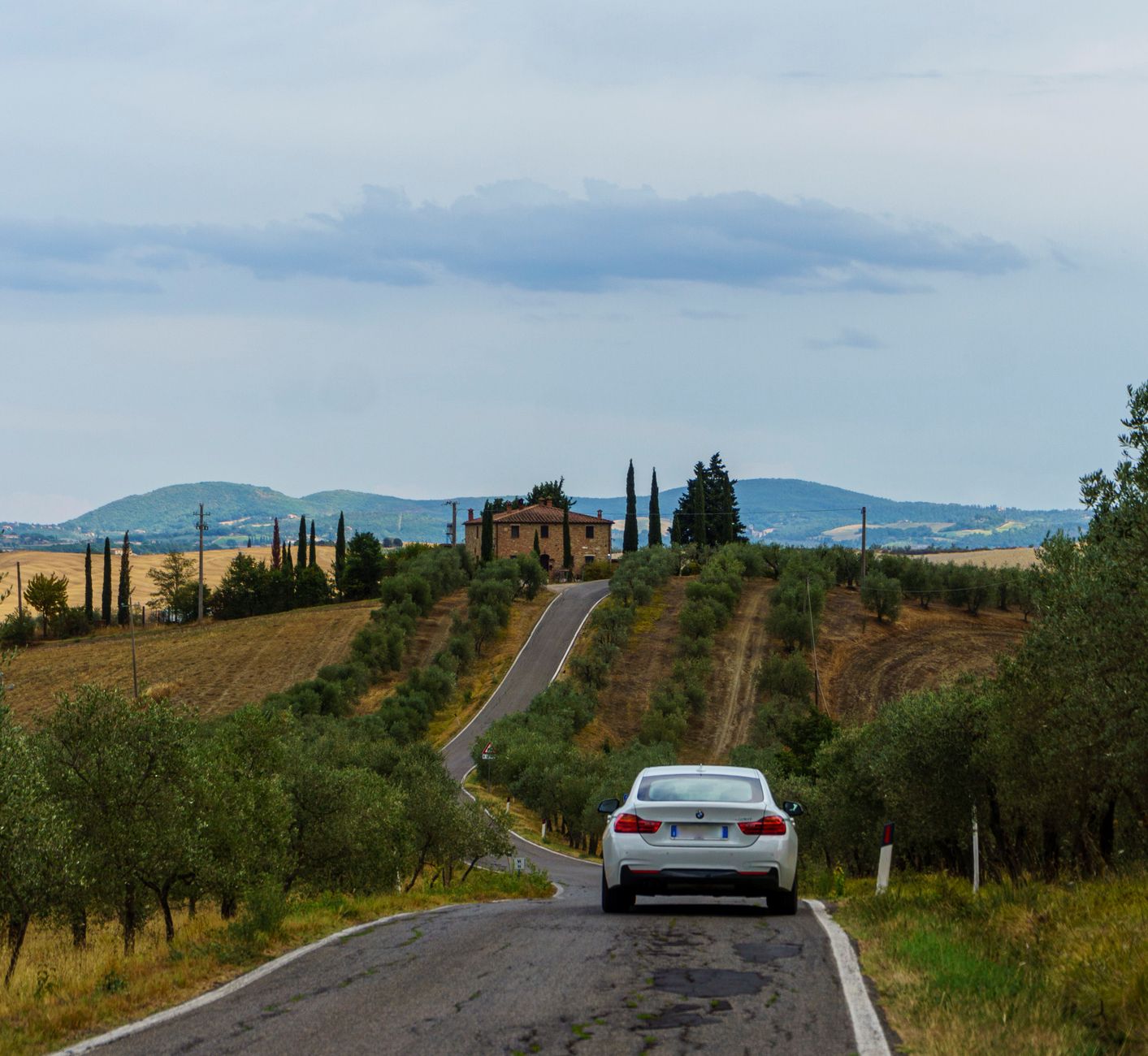
Driving in Italy can be an exhilarating way to explore its stunning countryside, historic cities, and picturesque coastal regions. However, navigating the country’s roads requires preparation and understanding of local driving regulations. This article provides essential information on what you need to drive in Italy, from documentation to practical tips for a smooth journey.
Whether you are embarking on a road trip through Tuscany’s rolling hills or a scenic drive along the Amalfi Coast, being prepared is key to enjoying the Italian experience. This guide will help both seasoned travelers and first-time visitors hit the road with confidence.
What Do I Need To Drive In Italy?
To drive in Italy, you will need a valid driver’s license, an International Driving Permit (IDP), car insurance, and to adhere to local driving rules. Understanding these requirements will ensure a stress-free experience when navigating Italy’s diverse landscapes.
Driver’s License Requirements
If you hold a driver’s license from a country within the European Union (EU), you can drive in Italy using your standard license. For visitors from other countries, particularly those outside the EU, you will need an International Driving Permit (IDP) in addition to your national driver’s license.
International Driving Permit (IDP)
The IDP serves as a translation of your driver’s license into multiple languages, making it easier for authorities to verify your credentials. While not always required, it’s advisable to carry one because it could be requested by local police or rental car agencies.
- Obtain the IDP before your trip from an authorized organization such as the AAA (American Automobile Association) or an equivalent body in your country.
- Your IDP is valid for one year and must be accompanied by your original driver’s license.
Documentation and Insurance
In addition to your driver’s license and IDP, ensure you have the following documents when driving in Italy:
- Rental Agreement: If you are using a rental car, keep the rental contract handy.
- Insurance Documents: Verify that you have car insurance. Many rental companies provide basic coverage but consider purchasing additional insurance for peace of mind.
- Emergency Kit: It’s legal to carry an emergency kit in your vehicle, including a reflective triangle and a first-aid kit.
Rules of the Road
Familiarizing yourself with Italian driving rules is crucial for a smooth driving experience. Here are some key rules to keep in mind:
- Driving Side: In Italy, drivers use the right side of the road. Be prepared to adjust if you’re used to driving on the left!
- Speed Limits: The maximum speed limit varies—typically, 130 km/h (81 mph) on highways and 50 km/h (31 mph) in urban areas. Keep an eye out for signs indicating speed limits.
- Alcohol Consumption: The legal blood alcohol limit is 0.5 g/l. If you are a newly licensed driver (under three years), the limit is zero.
- Seat Belts: Seat belts are mandatory for all occupants of the vehicle.
- Mobile Devices: Using a mobile phone while driving is prohibited unless you use a hands-free system.
Tolls and Fees
Many highways in Italy require tolls, which can add to your overall driving expenses. Here’s what you need to know about tolls:
- Tolls can be paid in cash or via credit card at toll booths.
- You may encounter electronic toll collection systems. If you plan to use these routes frequently, consider a Telepass device for easier access.
Driving Types and Road Conditions
Italy offers a mix of driving experiences, from bustling city centers to remote countryside roads. Here are some tips for different types of driving:
City Driving
Driving in cities like Rome or Milan can be challenging due to narrow streets, heavy traffic, and ZTL (Limited Traffic Zones). Here are some tips:
- Research ZTL zones, as driving in these areas without permission could lead to fines.
- Consider parking your vehicle outside the city center and using public transport to travel within urban areas.
- Be aware of aggressive driving habits and pedestrian traffic, especially in busy areas.
Countryside and Coastal Driving
Driving through rural and coastal Italy offers breathtaking scenery but can involve winding roads and steep hills:
- Allow for extra travel time on scenic routes, as they can often be slower.
- Be cautious on narrow roads, particularly along coastal cliffs.
Parking in Italy
Finding parking can be a challenge in Italy, especially in major cities. Here are some parking essentials to keep in mind:
- Types of Parking:
- White Lines: Free parking, but check local signage.
- Blue Lines: Paid parking; tickets usually need to be purchased at nearby machines.
- Yellow Lines: Reserved for residents or authorized vehicles only.
- Always check the signage for parking rules to avoid fines or towing.
Best Time to Drive in Italy
The ideal time for driving in Italy greatly depends on the regions you wish to explore and your preferences:
- Spring (March to May): Mild weather and blooming landscapes make spring a beautiful time for a road trip.
- Summer (June to August): While beaches are inviting, cities can be hot and crowded. It’s the peak tourist season.
- Fall (September to November): Harvest season in rural areas offers fantastic food and wine experiences. Temperatures are also comfortable for driving.
- Winter (December to February): This is ideal for winter sports enthusiasts in the northern mountains but can be challenging for driving due to snow and ice.
Suggested Length of Stay for a Driving Trip
Your length of stay will depend on the areas you aim to visit. For a comprehensive experience, consider the following suggested durations:
- One Week: Ideal for exploring one region, such as Tuscany or the Amalfi Coast.
- Two Weeks: This allows you to discover multiple regions, with time for detours and spontaneous stops.
Budget Considerations
Budgeting for your road trip in Italy includes several factors:
- Rental Car: Costs vary based on the season, car model, and rental duration. Expect to pay more in peak tourist season.
- Fuel Costs: Fuel prices can be higher than in other countries, so plan for fuel expenses accordingly.
- Payments for Tolls: Gathering cash or a credit card for tolls will be necessary as they can add up quickly.
- Parking Fees: Budget accordingly for parking costs in cities, where they can be higher.
Family and Solo Travel Considerations
Driving in Italy can be suitable for both families and solo travelers, but some extra considerations apply for each group:
Family Travel
If traveling with children, consider the following tips:
- Ensure that car seats are available for younger children and comply with safety regulations.
- Plan for regular stops to allow for breaks during long drives, especially on scenic routes.
Solo Travelers
For those undertaking solo trips, here are some insights:
- Stay aware of your surroundings and take precautions, especially when driving in less populated areas.
- Having a reliable GPS navigation system is particularly useful when traveling alone.
Safety Tips When Driving in Italy
Here are general safety tips to ensure a secure driving experience when traversing Italy’s roads:
- Keep doors locked and windows up, especially in urban areas.
- Be cautious of aggressive drivers and adapt your driving style accordingly.
- In case of breakdowns or accidents, call the local authorities and ensure you know the emergency numbers for instance, 112 for police and 118 for medical emergencies.
Exploring Italy Beyond the Car
While driving provides an incredible way to explore Italy, remember that the country has an extensive public transportation system. Trains and buses can help you reach places that might be more challenging by car.
Conclusion
With preparation, documentation, and an open mind, driving in Italy can lead to an unforgettable adventure exploring its breathtaking landscapes and rich culture. Familiarize yourself with local laws and consider your travel plans, and you will undoubtedly enjoy the freedom of the open road.
For more insights, consider reviewing related guides on driving laws, accommodations, and tips for traveling in Italy, such as what side of the road you drive on in Italy and where to stay in Italy.