
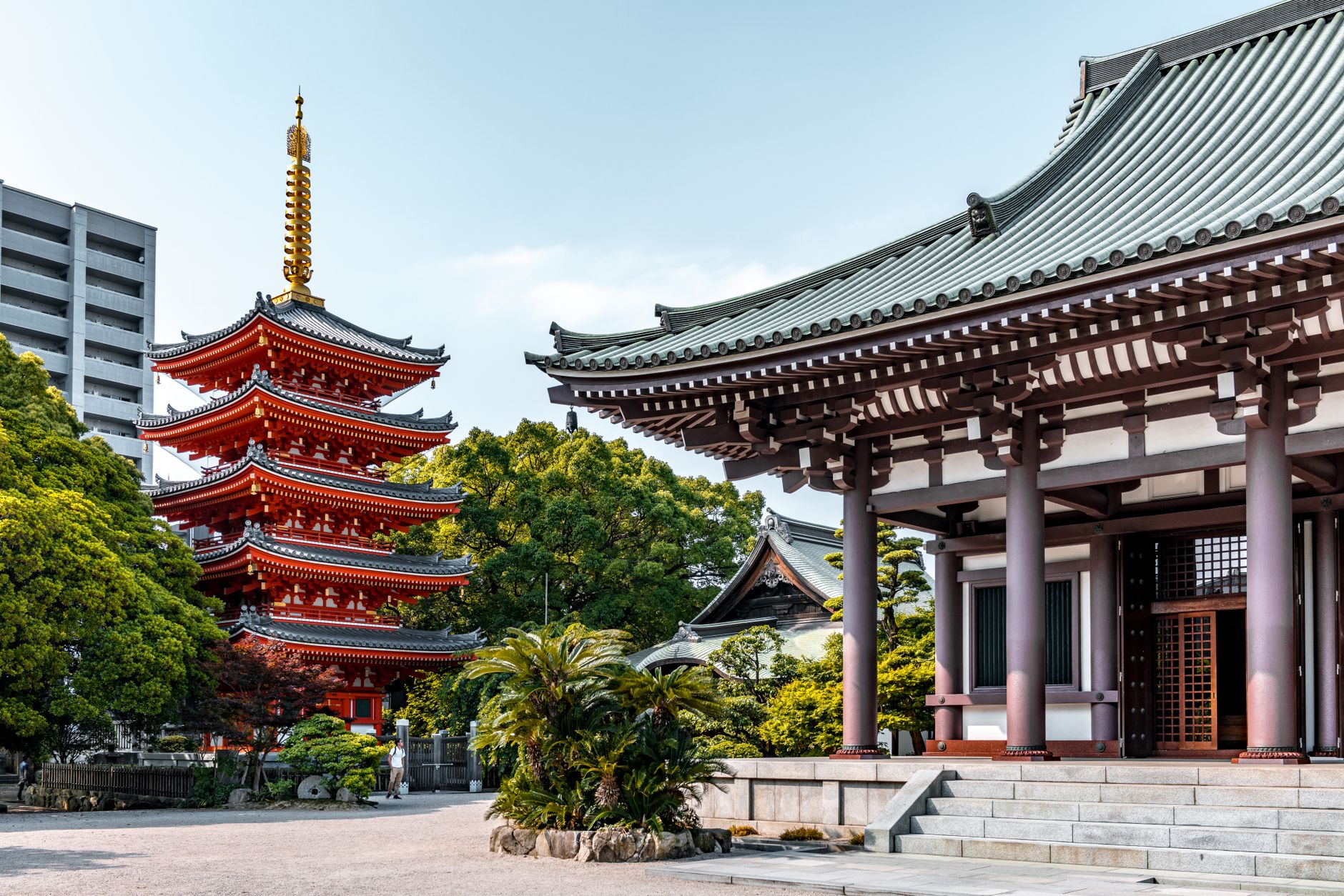
Japan is a fascinating destination that encapsulates a rich blend of ancient traditions and cutting-edge modernity. Renowned for its unique culture, delectable cuisine, technological advancements, and stunning natural landscapes, Japan offers diverse experiences for every type of traveler. This article explores what makes Japan a top destination worldwide.
From historical sites and vibrant cities to serene temples and breathtaking mountains, there is much to discover. Whether you are an adventure seeker, a history enthusiast, a food lover, or someone who simply appreciates beauty, Japan’s offerings will leave you mesmerized.
What Is Japan Known For?
Japan is known for its rich history, unique culture, world-class technology, and exquisite cuisine. It boasts a wide range of attractions, including ancient temples, picturesque landscapes, and bustling cities, making it a multifaceted destination catering to various interests.
Historical and Cultural Heritage
Japan’s history stretches back thousands of years, creating a vibrant cultural landscape. Travelers can explore ancient temples, shrines, and castles that tell the stories of a bygone era.
Ancient Temples and Shrines
- Fushimi Inari Taisha: Located in Kyoto, this famous Shinto shrine is known for its thousands of vermilion torii gates leading up the sacred Mount Inari.
- Himeji Castle: A UNESCO World Heritage Site, this historical castle is a stunning example of Japanese feudal architecture and is surrounded by beautiful gardens.
- Itsukushima Shrine: Situated on Miyajima Island, this shrine is renowned for its iconic “floating” torii gate and breathtaking views of the Seto Inland Sea.
Cultural Experiences
Experiencing Japanese culture is essential during your trip. Consider participating in traditional activities such as:
- Attending a tea ceremony, where you can learn about the art of tea preparation and its cultural significance.
- Watching a sumo wrestling match, a sport steeped in tradition and rituals.
- Trying your hand at calligraphy or kimono-wearing sessions, both offering insights into Japan’s artistic heritage.
Modern Japan
Beyond its traditional roots, Japan is also known for its remarkable advancements in technology and design. The juxtaposition of old and new is evident in cities like Tokyo and Osaka.
Vibrant Cities
- Tokyo: A dynamic metropolis where ancient shrines coexist with skyscrapers, Tokyo is a hub for shopping, entertainment, and culture. Must-see areas include Shibuya, Shinjuku, and Akihabara.
- Osaka: Famous for its modern architecture, Osaka also offers stunning street food options. Explore Dotonbori for a vibrant nightlife scene and try local delicacies like takoyaki.
Technology and Innovations
Japan leads globally in technology and innovation. Visitors may encounter the following:
- Robotics: Experience advanced robotics in various industries, from entertainment to caregiving.
- High-Speed Rail: The Shinkansen, or bullet train, is renowned for its punctuality and speed, making travel across the country efficient and comfortable.
- Smart Cities: Some urban areas incorporate cutting-edge technology into daily life, offering interactive experiences and smart transportation options.
Culinary Delights
Japanese cuisine is known for its fresh ingredients, elegant presentation, and umami flavors. Food plays a central role in Japanese culture, and there are a variety of dishes to try.
Iconic Dishes
- Sushi and Sashimi: These delicacies highlight Japan’s love for seafood, with sushi often featuring vinegared rice and fresh fish.
- Ramen: A popular noodle dish served in savory broth with various toppings, each region has its own style and flavor.
- Tempura: This dish consists of battered and deep-fried vegetables or seafood, offering a delightful crunch.
Street Food and Markets
Don’t miss local street food markets, where you can sample a range of tasty treats:
- Takoyaki from Osaka, featuring savory balls of octopus and batter.
- Okonomiyaki, a savory pancake filled with various ingredients, is popular in Hiroshima and Osaka.
- Yakisoba, stir-fried noodles typically served at festivals or street stalls.
Natural Wonders
Japan’s natural beauty is diverse, with lush mountains, tranquil lakes, and picturesque coastlines that are perfect for exploration.
Scenic Landscapes
- Mount Fuji: An iconic symbol of Japan, this active volcano is popular for hiking and offers stunning views, especially during sunrise.
- Japanese Alps: Ideal for outdoor enthusiasts, the Alps feature beautiful hiking trails, skiing options, and charming hot springs.
- National Parks: With numerous national parks, travelers can enjoy activities such as hiking, bird watching, and observing wildlife at sites like Nikko and Hakone.
Seasons and Natural Events
Japan’s natural beauty is accentuated by changing seasons:
- Cherry Blossom season in spring attracts millions to witness the beautiful sakura blooms.
- Autumn foliage provides vibrant colors across the country, especially in Kyoto and Nikko.
Transportation in Japan
Getting around Japan is efficient and convenient, thanks to its extensive public transportation system.
Rail Travel
The Shinkansen (bullet train) is the fastest and most comfortable way to travel between major cities. Consider the following:
- Buy a Japan Rail Pass if you plan to travel extensively across regions, providing unlimited access to trains for a set duration.
- Use local trains and subways in urban areas to navigate cities easily.
Alternative Transportation Options
For exploring rural areas or specific attractions, consider:
- Buses: Local and regional buses offer access to more remote locations.
- Taxis: Readily available in urban areas, though more expensive.
- Bicycles: Renting a bike can be a pleasant way to enjoy scenic areas, particularly in historical towns like Kyoto.
Accommodation Options
Japan offers a variety of accommodation types to suit different budgets and preferences.
Types of Accommodations
- Traditional Ryokan: Experience Japan’s hospitality in a ryokan, complete with tatami mat flooring and onsen (hot springs).
- Hotels: Ranging from luxury five-star establishments to budget-friendly hostels, hotels in Japan offer modern amenities and comfort.
- Capsule Hotels: A unique and affordable experience, these compact sleeping pods are available in major cities.
Booking Tips
To secure the best options:
- Book accommodations in advance, especially during peak seasons such as cherry blossom season or autumn foliage.
- Check reviews for insights into the quality and experience of the accommodation.
Best Practices for Visiting Japan
When visiting Japan, it’s important to understand and respect local customs and etiquette.
Etiquette Considerations
- Be punctual for appointments and transportation. Timeliness is a sign of respect.
- Always bow as a greeting and express gratitude when receiving services, as it’s an essential part of Japanese culture.
- Remove shoes when entering someone’s home, certain accommodations, and traditional establishments.
Language Tips
While many Japanese people speak English, learning a few basic phrases can enhance your experience and shows respect for the culture:
- “Arigatou gozaimasu” means “thank you.”
- “Sumimasen” can mean “excuse me” or “I’m sorry.”
When to Visit Japan
Japan offers something unique in each season, so the best time to visit depends on what you wish to experience.
Spring
Spring (March to May) is characterized by cherry blossoms which bloom around late March to early April. This season attracts numerous visitors eager to partake in hanami (flower viewing) celebrations.
Summer
Summer (June to August) is hot and humid, but many local festivals and fireworks shows take place, providing a lively atmosphere.
Autumn
Autumn (September to November) features stunning fall foliage, making it a popular time for nature lovers to explore.
Winter
Winter (December to February) attracts those interested in skiing and enjoying hot springs, with regions like Hokkaido being particularly renowned for their winter sports.
Length of Stay
A realistic length of stay in Japan usually ranges from 7 to 14 days. This duration allows travelers to explore major cities, engage in various cultural experiences, and discover the beauty of nature.
Budget Considerations
Japan can accommodate a variety of budgets, but planning ahead is essential for managing costs.
Daily Expenses
| Expense Type | Budget | Mid-Range | Luxury |
|---|---|---|---|
| Accommodation | $50-$100 | $100-$250 | $250+ |
| Food | $10-$30 | $30-$80 | $80+ |
| Transportation | $10-$20 | $20-$50 | $50+ |
| Attractions | $5-$20 | $20-$50 | $50+ |
Conclusion
Japan represents a unique blend of ancient tradition and modern innovation, making it an unforgettable travel destination. With its rich cultural experiences, stunning landscapes, and delectable cuisine, travelers are never at a loss for things to do and see. To make the most of your trip, consider your interests, the best times to visit, and the various accommodation options available.
For an enchanting experience, explore related destination guides and travel-planning articles such as when to see cherry blossoms in Japan or must-do activities in your itinerary.