
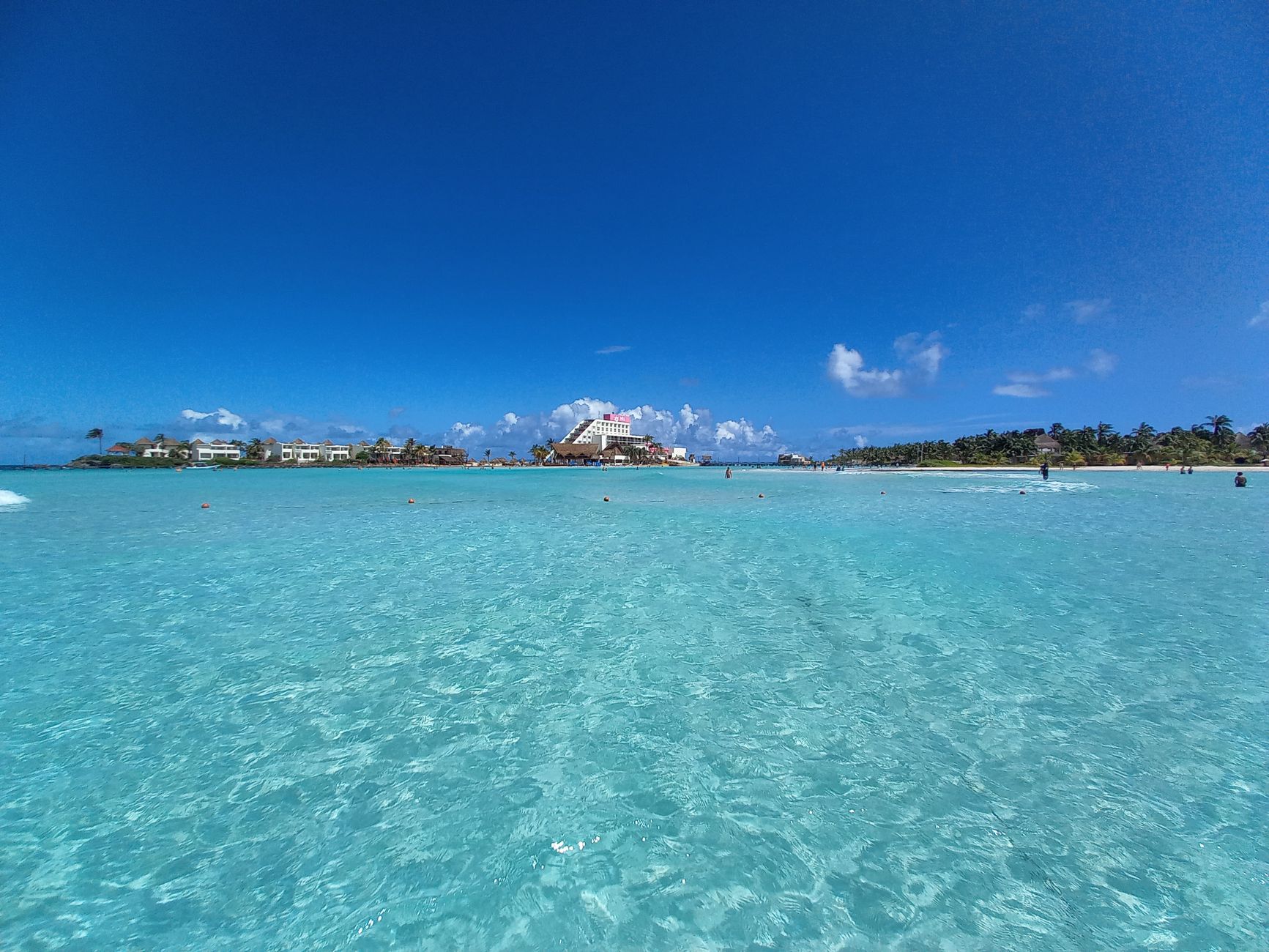
Sardinia, the second-largest island in the Mediterranean, is renowned for its stunning coastal scenery, rich history, and unique culture. Travelers flock to this Italian destination for its stunning beaches, captivating archaeological sites, and mouthwatering cuisine. Understanding what makes Sardinia famous helps set the stage for an unforgettable trip.
This guide delves into the highlights of Sardinia, exploring its natural beauty, local traditions, outdoor adventures, and practical travel tips. Whether you’re seeking relaxation or adventure, Sardinia offers an array of experiences that cater to every type of traveler.
What Is Sardinia Known For?
Sardinia is known for its breathtaking beaches, diverse natural landscapes, rich archaeological history, and distinctive culinary traditions. The island’s stunning coastlines, vibrant culture, and welcoming hospitality make it a sought-after destination for travelers.
Stunning Beaches and Coastal Life
Sardinia is famous for its extraordinary beaches, often regarded as some of the best in the world. The island’s coastline unfolds for about 1,800 kilometers, showcasing dazzling white sand, crystal-clear waters, and impressive cliffs.
Costa Smeralda
The Costa Smeralda, or Emerald Coast, is perhaps the most famous area, known for its luxurious resorts and beautiful beaches like Spiaggia del Principe and Liscia Ruja. The vibrant nightlife, upscale boutiques, and gourmet dining attract a glamorous crowd.
La Pelosa Beach
Located in Stintino, La Pelosa Beach features shallow turquoise waters surrounded by stunning scenery. Its fine sand and warm water make it perfect for families and those looking for relaxation.
Other Notable Beaches
- Calamosca Beach: A hidden gem near Cagliari that offers a more tranquil experience.
- Porto Giunco: This beach boasts vibrant waters and a backdrop of pink flamingos.
- Chia Beach: Known for its striking dunes and clear, shallow waters.
Rich Cultural and Historical Heritage
The history of Sardinia is as captivating as its landscapes. The island is dotted with archaeological sites, ancient ruins, and unique traditions that provide insight into its past.
Nuraghe Structures
Sardinia is home to thousands of Nuraghes, ancient stone structures built between the 18th and 9th centuries BC. The Nuraghe Su Nuraxi in Barumini is a UNESCO World Heritage Site and one of the most impressive examples, showcasing the engineering prowess of Sardinia’s ancient inhabitants.
Roman Influence
The Romans left their mark on Sardinian culture and architecture, evident in cities such as Cagliari, the island’s capital. The Roman amphitheater, which could accommodate thousands of spectators, is a significant historical site.
Traditional Festivals
Sardinia has a vibrant cultural scene, highlighted by numerous festivals throughout the year. Events like the Cavalcata Sarda in Sassari celebrate local traditions with music, dance, and traditional costumes. Such festivals are excellent opportunities to experience the island’s rich cultural heritage.
Culinary Traditions and Gastronomy
Food is a central aspect of Sardinian culture. The island’s cuisine reflects its agricultural roots, featuring fresh ingredients and traditional recipes passed down through generations.
Local Specialties
- Porceddu: A traditional dish of roasted suckling pig, often served at celebrations.
- Pasta: Malloreddus (Sardinian gnocchi) and Culurgiones (stuffed pasta) are popular choices.
- Cheese: Pecorino Sardo, a sheep’s milk cheese, is also a must-try.
- Seafood: With its coastal location, Sardinia offers fresh seafood dishes like bottarga (cured fish roe).
Wine and Spirits
Sardinia’s fertile soils produce excellent wines, with Vermentino and Cannonau being the most famous varieties. The island is also known for its strong spirits like Mirto, made from myrtle berries, which are a popular after-dinner drink.
Natural Wonders and Outdoor Activities
Beyond its beautiful beaches, Sardinia is a paradise for outdoor enthusiasts, offering a variety of landscapes ideal for hiking, cycling, and water sports.
National Parks
Sardinia is home to several national parks, including the Archipelago of La Maddalena, which features stunning islands with crystal-clear waters and diverse marine life. The Gennargentu National Park is perfect for hiking and exploring the mountainous terrain.
Water Activities
The island’s clear waters make it an excellent location for snorkeling, scuba diving, and sailing. Popular spots include the underwater sea park at Tavolara and the marine reserve around La Maddalena Islands.
Hiking Trails
For those who enjoy hiking, the Supramonte area offers challenging trails leading to breathtaking vistas and hidden valleys. The famous Gorropu Gorge, one of Europe’s deepest canyons, is a hike not to be missed.
Getting to Sardinia and Transportation Options
Traveling to Sardinia can be convenient, with several options available for reaching the island and getting around once you’re there.
How to Get to Sardinia
- By Air: Major airlines operate flights to Cagliari, Olbia, and Alghero. Seasonal flights may also be available from various European cities.
- By Ferry: Ferries connect Sardinia with mainland Italy and some other Mediterranean destinations. Companies like Tirrenia and Moby Lines provide ferry services.
Getting Around the Island
While public transport options exist, renting a car is the most efficient way to explore Sardinia. This allows access to remote beaches and hidden towns. Major cities like Cagliari, Alghero, and Olbia are also well-connected with buses.
Best Times to Visit Sardinia
The best time to visit Sardinia generally falls between late spring (May to June) and early autumn (September to October). During these months, travelers can enjoy pleasant temperatures and fewer crowds.
Summer Season
July and August are peak tourist months, characterized by hot weather and bustling beaches. While the vibrant nightlife and numerous events may appeal to some, expect larger crowds and higher accommodation prices.
Winter Season
Winter (December to February) can be quite mild, making it suitable for those seeking a quiet experience. However, some attractions may have reduced hours or seasonal closures.
Recommended Length of Stay
A trip to Sardinia can effectively range from four to ten days, depending on your interests. A week-long stay allows ample time to explore the major sights, relax on the beaches, and enjoy the culinary delights.
Accommodation Options
Sardinia offers various accommodations to suit different budgets and preferences, from luxury resorts to charming bed and breakfasts.
Luxury Hotels
For those seeking luxury, areas like the Costa Smeralda provide high-end resorts with stunning views and exclusive services. Options include the Cala di Volpe Hotel and Hotel Romazzino.
Mid-Range Accommodations
Mid-range hotels and boutique guesthouses can be found across the island. Look for family-run establishments that provide local hospitality, often at competitive prices.
Budget Options
Many hostels and budget hotels are available, especially in cities like Cagliari and Alghero. Camping is also a popular option, with numerous campsites located near beaches and natural parks.
Budget Considerations for Traveling to Sardinia
When planning your trip to Sardinia, consider the following budget factors:
- Flight costs can vary significantly based on season and departure location. Booking in advance is advisable.
- Accommodations range from budget-friendly hostels to luxury resorts. Early booking can lead to better rates.
- Dining out is generally affordable, but high-end restaurants can be pricier. Sampling local street food can be an economical and delicious alternative.
- Entrance fees for attractions may apply. Consider the cost of activities such as guided tours or excursions.
Travel Tips for Sardinia
To make the most of your trip to Sardinia, keep these practical tips in mind:
- Learn a few basic Italian phrases; locals appreciate the effort.
- Book accommodations and rentals in advance, especially during peak seasons.
- Be aware of local customs, such as appropriate dress for church visits.
- Consider purchasing a local SIM card for convenient access to maps and travel apps.
Accessibility and Family Considerations
Sardinia is generally accessible for families and travelers with mobility challenges, although some remote areas may have limited accessibility. Make sure to check accommodations for family-friendly facilities and verify accessibility options at attractions.
Families can enjoy activities such as beach outings, nature hikes, and cultural festivals, which offer unforgettable experiences for travelers of all ages.
For solo travelers, Sardinia offers a welcoming environment with plenty of opportunities to connect with local culture, meet other travelers, and discover the island’s hidden corners at your own pace.
Safety is generally good in Sardinia, but as always, exercise common sense and keep your belongings secure, especially in crowded places.
Sardinia is a destination that has something for everyone, from its exquisite beaches to its rich culture and delicious food. Whether you’re looking to relax on the sandy shores or explore the ancient world, the island promises a fulfilling experience.
Now that you know what Sardinia is known for, start planning your adventure to this stunning Mediterranean island.
For your next culinary adventure in Italy, check out the best restaurants in Sorrento or discover the best dining options in Taormina.