
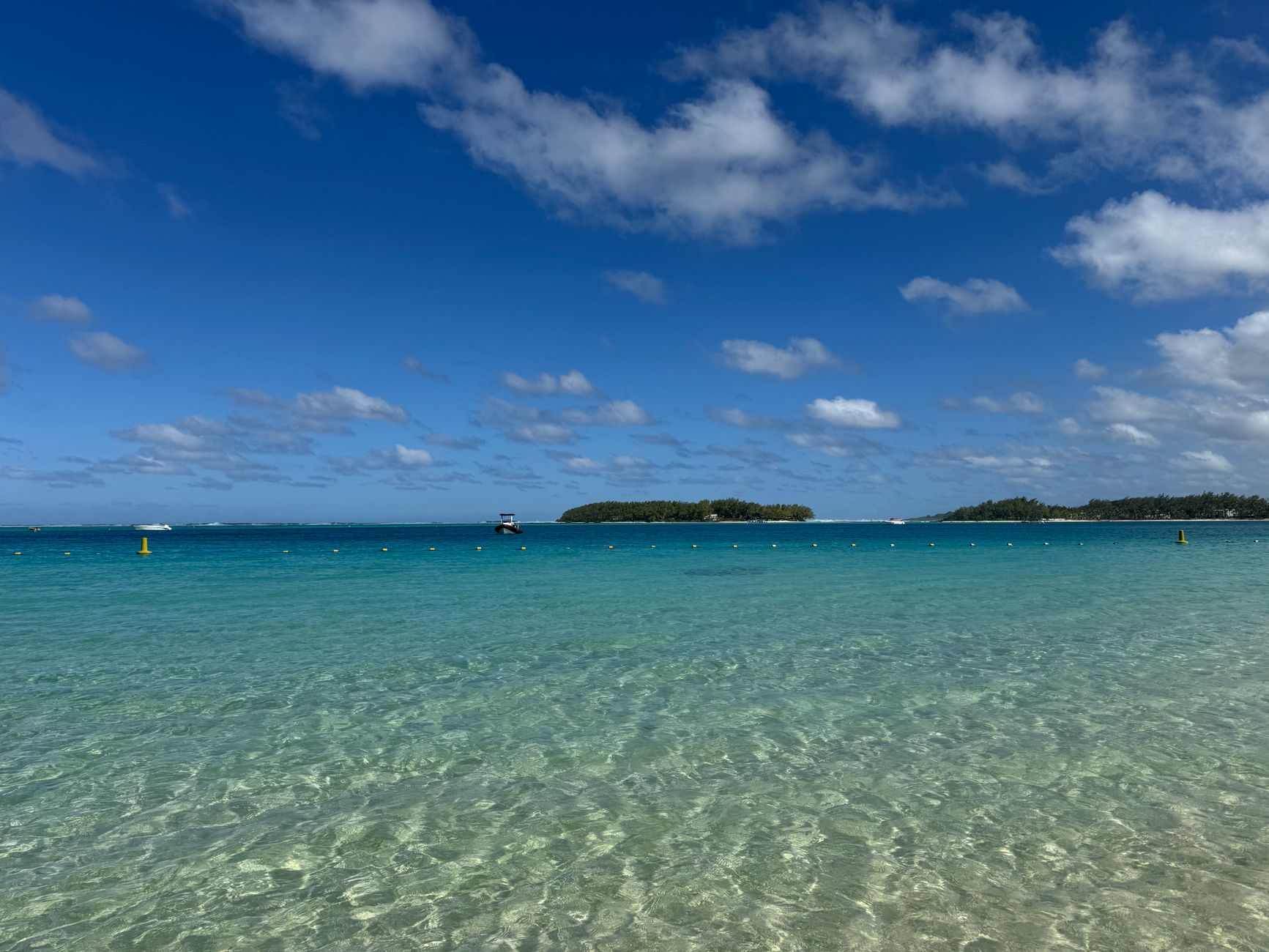
The Caribbean is renowned for its stunning beauty and vibrant culture, making it a top choice for those considering a move. But with so many islands to choose from, which one is the best to live on? Factors such as cost of living, healthcare, climate, and lifestyle can vary significantly between islands, necessitating a closer look.
This guide will explore various Caribbean islands, defining their unique features and helping you determine which one may be the best fit for your lifestyle. Whether you’re seeking a bustling city atmosphere, serene beachfront living, or rich cultural experiences, the Caribbean islands have something to offer everyone.
What Is The Best Caribbean Island To Live On?
The best Caribbean island to live on varies significantly based on individual preferences, including lifestyle, budget, and personal interests. For example, islands like Barbados offer rich cultural experiences and vibrant communities, while places like Bermuda provide a more luxurious lifestyle with access to high-end amenities.
Factors to Consider When Choosing a Caribbean Island
When contemplating a move to the Caribbean, it’s essential to weigh various factors that can impact your day-to-day life:
- Cost of Living: Evaluate housing costs, groceries, utilities, and transportation.
- Healthcare: Access to medical facilities and quality of care is crucial.
- Climate: Consider weather patterns and seasonal changes.
- Cultural Activities: Look for local arts, music, dining, and outdoor activities.
- Safety: Research crime rates and community safety.
- Transportation: Assess public transport options and ease of travel.
Overview of Popular Caribbean Islands
Here are some of the most popular Caribbean islands for living, each with its unique characteristics:
Barbados
Barbados is one of the most developed islands in the Caribbean, with a range of amenities and services that attract expatriates. The cost of living can be higher compared to other islands, but so can the quality of life.
- Climate: Tropical climate with warm temperatures year-round.
- Culture: Rich in music, art, and festivals like Crop Over.
- Healthcare: Good healthcare system with several private hospitals.
- Transportation: Public buses, taxis, and car rentals available.
Grand Cayman
Grand Cayman offers a thriving economy, beautiful beaches, and is known for its expat community, making it a popular choice for many.
- Cost of Living: Higher than many Caribbean islands but balanced by good salaries.
- Healthcare: Excellent facilities catering to expatriates.
- Activities: World-class diving, snorkeling, and vibrant nightlife.
- Culture: A mix of Caribbean and North American influences.
Puerto Rico
Puerto Rico is unique as it is a U.S. territory, making it relatively easier for U.S. citizens to move and live there. It blends Caribbean charm with a familiar American vibe.
- Cost of Living: Generally lower than in the mainland U.S., but can vary by region.
- Healthcare: Access to U.S.-quality healthcare.
- Activities: Rich history, vibrant nightlife, and outdoor activities.
- Language: Predominantly Spanish, but English is widely spoken.
Cuba
Cuba, with its rich history and culture, attracts individuals looking for a unique living experience. However, potential residents should be aware of challenges such as economic sanctions and limited resources.
- Cost of Living: Very affordable, especially in local currency.
- Healthcare: Generally good public healthcare system.
- Culture: Vibrant arts scene and cultural history are a major draw.
St. Lucia
St. Lucia is famous for its stunning landscapes and beaches, making it a desirable place for those seeking natural beauty alongside a relaxed lifestyle.
- Cost of Living: Moderate, with options available for different budgets.
- Healthcare: Local healthcare facilities may not be as comprehensive.
- Activities: Hiking, diving, and various water sports.
- Culture: A blend of French, English, and African influences.
Dominican Republic
The Dominican Republic is a growing destination for expats due to its affordability and diverse living environments, from vibrant Santo Domingo to tranquil seaside towns.
- Cost of Living: Relatively low, especially outside tourist areas.
- Healthcare: Varied levels of quality in services; private healthcare is recommended.
- Activities: Rich history, beautiful beaches, and outdoor adventures.
Cost of Living Comparisons
Here is a comparison of the estimated cost of living for these islands, providing insight on what you might expect:
| Island | Average Monthly Rent (1 Bedroom) | Groceries (Monthly) | Utilities (Monthly) |
|---|---|---|---|
| Barbados | $1,200 | $400 | $150 |
| Grand Cayman | $2,500 | $500 | $250 |
| Puerto Rico | $900 | $300 | $180 |
| Cuba | $300 | $100 | $50 |
| St. Lucia | $800 | $250 | $120 |
| Dominican Republic | $600 | $200 | $80 |
These figures provide a general estimate and can vary based on location and lifestyle choices. It’s essential to conduct more detailed research tailored to your specific circumstances.
Healthcare Considerations
Healthcare availability and quality can significantly influence your experience on a Caribbean island. Generally, larger islands like Puerto Rico, Grand Cayman, and Barbados boast better healthcare facilities. Cuba is known for its public healthcare system, although modern amenities may be limited in some areas. Familiarize yourself with local healthcare providers and access to emergency services in each destination ahead of moving.
Transportation and Getting Around
Transportation options will differ widely across islands, affecting your convenience and mobility:
- Public Transport: Look for well-established public system options, which can vary considerably. For example, Barbados has an efficient bus service, while in Cuba, public transport may often mean shared taxis.
- Owning a Car: Renting or purchasing a car will be beneficial for exploring larger islands, but consider associated costs and availability of parking.
- Bicycles and Walking: Many areas are bike-friendly or can be explored on foot, especially in towns.
- Domestic Travel: Inter-island ferries or flights may be necessary to explore surrounding islands.
When to Visit
Each Caribbean island has its peak seasons, generally falling between December and April. Visiting during this time means enjoying the best weather but can also come with higher prices. Alternatively, traveling during the off-peak season, typically from June to November, can offer better deals but may coincide with hurricane season, particularly in the eastern Caribbean.
Safety Considerations
Safety can vary widely between islands. While many Caribbean destinations are safe for expats and tourists, it’s wise to research crime rates and follow local safety recommendations. Are there areas to avoid? What are local emergency numbers? Understanding these details will enhance your peace of mind.
Conclusion and Final Thoughts
Choosing the best Caribbean island to live on depends largely on individual preferences and circumstances. From the cultural richness of Barbados to the economic opportunities in Grand Cayman, each island provides a unique lifestyle. Carefully consider your priorities and conduct thorough research before making a decision. Plan to visit your chosen island before committing, ensuring it matches your expectations and lifestyle.
Start by checking out detailed guides on the best restaurants in Grand Cayman and Turks and Caicos to immerse yourself in local culture and cuisine.