
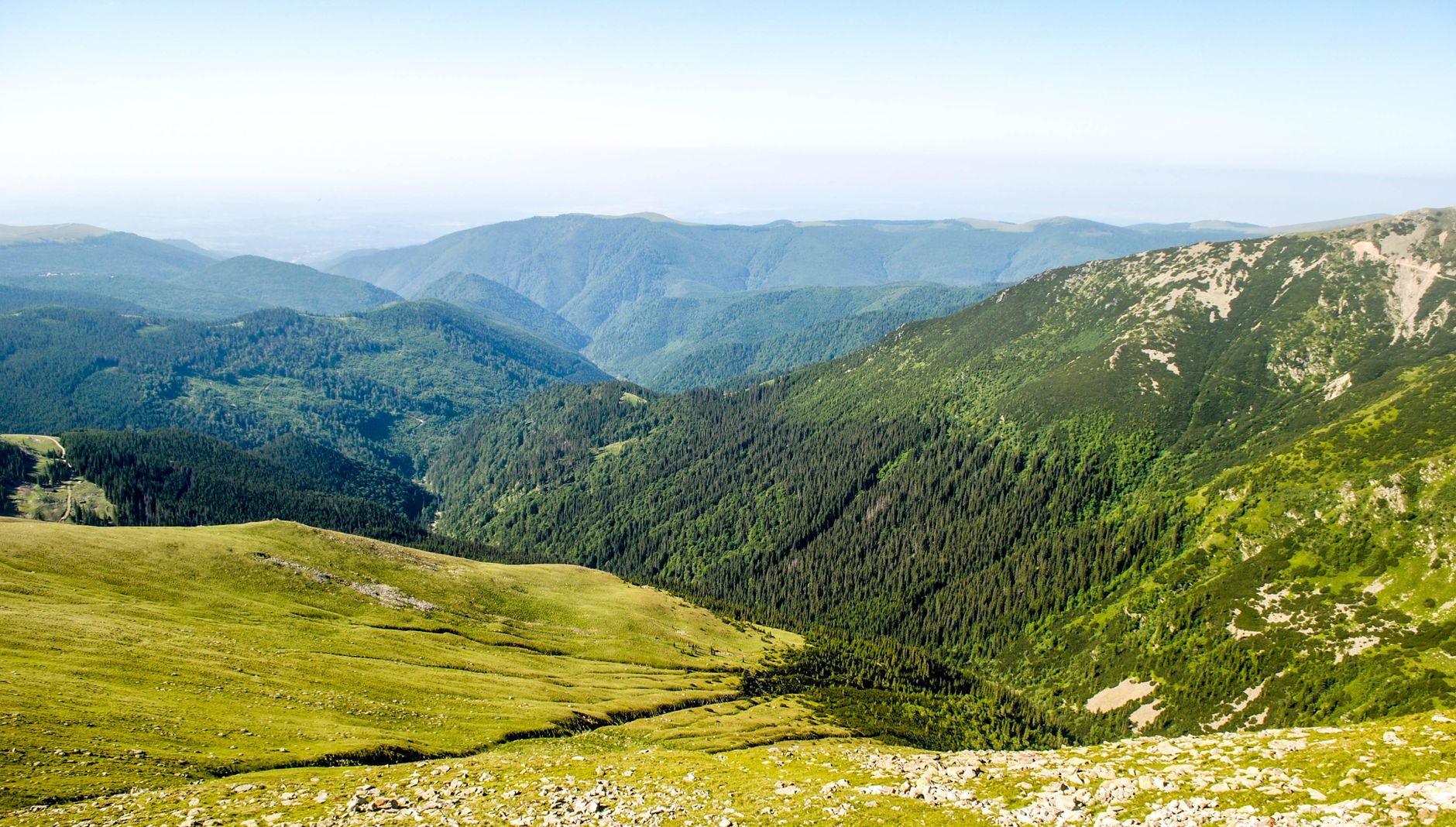
Alaska is a stunning destination that offers diverse landscapes, unique wildlife, and a rich cultural tapestry. Choosing the best time to visit Alaska can significantly enhance your experience, depending on the activities you wish to pursue, the weather you prefer, and the local events you might want to attend. Understanding these elements will help maximize your adventure.
The ideal time to visit varies for each traveler. Whether you’re seeking outdoor adventures during the summer, breathtaking views in fall, or winter wonderland experiences, Alaska has something for everyone throughout the year. This guide will demystify the seasons in Alaska and give you insight into planning the best trip.
What Is The Best Time To Go To Alaska?
The best time to go to Alaska typically falls between late May and early September. During these months, you’ll experience the warmest weather, long daylight hours, and plentiful opportunities to explore Alaska’s outdoor activities. However, winter trips can also be rewarding for those interested in winter sports or Northern Lights viewing.
Understanding Alaska’s Seasons
Alaska is vast and diverse, and its climate can vary significantly between regions. Familiarizing yourself with what each season offers will inform your travel decisions. Here’s a breakdown of what you can expect throughout the year.
Spring (March to May)
Spring in Alaska is a time of thawing and renewal. The temperatures gradually rise, and you can begin to see signs of wildlife awakening from hibernation.
- Weather: Temperatures can range from 30°F to 60°F, depending on your location.
- Activities: The spring is perfect for bird watching and witnessing the migration of various species. Ice fishing is also popular during late winter.
- Events: Events like the Iditarod Trail Sled Dog Race take place in early March, providing a unique cultural experience.
Summer (June to August)
Summer is the peak tourist season in Alaska and for good reasons. The long days and warm temperatures make exploring the outdoors easily accessible.
- Weather: Expect temperatures between 60°F and 80°F in coastal areas. Inland regions can be warmer, reaching the 90s.
- Activities: Plenty of outdoor activities such as hiking, fishing, kayaking, and wildlife tours. Midsummer is perfect for viewing humpback whales and glaciers.
- Events: Enjoy festivals like the Anchorage Market & Festival and the Alaska State Fair. The summer solstice brings the Midnight Sun Festival.
Fall (September to November)
Fall brings cooler temperatures and beautiful autumn colors, making it an excellent time for photography enthusiasts.
- Weather: Temperatures typically range from 20°F to 60°F. Early fall can still feel quite warm, especially in September.
- Activities: Perfect for hiking and observing wildlife preparing for winter. Fishing for salmon in late September can be rewarding.
- Events: The Festival of Native Arts is celebrated in mid-April, showcasing local indigenous culture.
Winter (December to February)
Winter in Alaska transforms the state into a snowy wonderland, offering unique experiences for adventure seekers.
- Weather: Expect temperatures to drop significantly, ranging from 0°F to 30°F, with extreme lows in northern areas.
- Activities: Popular winter activities include dog sledding, skiing, snowboarding, and viewing the Northern Lights.
- Events: In February, you can immerse yourself in the Fur Rendezvous festival in Anchorage, featuring winter sports and cultural festivities.
Best Regions to Visit and Their Seasonal Highlights
Alaska is home to various regions, each offering unique experiences depending on the season. Here’s what to focus on when planning your trip.
Southern Alaska
This area includes popular cities like Anchorage and Juneau and is known for its mild climate and stunning coastal beauty.
- Best Time to Visit: Late May to September for optimal weather and events.
- Highlights: Glaciers, kayaking, hiking, and wildlife spotting.
Interior Alaska
The Interior region is known for its extreme weather and stunning wilderness. Fairbanks is a key city here.
- Best Time to Visit: Summer for comfortable temperatures and the famous Midnight Sun.
- Highlights: The Northern Lights are most visible between late August and April.
Southwest Alaska
Rich in culture and wildlife, Southwest Alaska includes the allure of the remote Aleutian Islands.
- Best Time to Visit: Late spring to early fall for fishing and wildlife tours.
- Highlights: Salmon fishing, exploring native cultures, and remote explorations.
Transportation Options in Alaska
Getting around Alaska can be quite different from traveling in other states. Here’s what you need to know about transportation.
By Air
Flying is often the quickest way to cover large distances in Alaska. Major airlines operate flights between the contiguous states and Alaska, and within Alaska, local airlines provide essential connections.
By Road
Driving is another option, especially if you’re planning to tour the southern regions. The scenic Seward Highway is highly recommended. Note that road conditions can vary dramatically in winter.
By Boat
Ferry services are popular for accessing coastal and island destinations, offering a unique perspective of the landscape.
Where to Stay in Alaska
Accommodation in Alaska varies widely, catering to budgets and preferences. Here’s how to choose the best places to stay.
Hotels and Lodges
In larger cities like Anchorage and Fairbanks, you’ll find traditional hotels and lodges offering comfortable amenities. Many also cater to outdoor enthusiasts.
Cabins and B&Bs
For a more local experience, consider staying in a cabin or a bed-and-breakfast. These often provide personalized services and local insights.
Camping
For the adventurous traveler, camping is a fantastic way to immerse yourself in Alaska’s nature. National Parks such as Denali and Kenai Fjords have established campgrounds.
Budgeting For Your Trip
Understanding your budget is crucial for planning an enjoyable trip to Alaska. Here are the major expenses to consider:
Travel Costs
Flights to and within Alaska can vary significantly based on time and location. Booking flights well in advance can yield better deals.
Accommodation Costs
Costs for hotels can range from economical options to luxury accommodations. Expect to spend anywhere from $100 to $400 a night, depending on the season and location.
Activities and Dining
Outdoor activities often come with associated costs, such as tours or equipment rentals. Dining can also vary, with casual dining being more budget-friendly compared to fine dining.
Overall Budget Considerations
Overall, a trip to Alaska can range from $100 to $300 per day, depending on your spending habits and chosen activities. Seasonal trends may also affect prices, particularly in summer.
Practical Travel Tips
To ensure a smooth and enjoyable trip, consider these practical travel tips:
- Plan Ahead: Research and book accommodations and tours well in advance, especially for popular summer travel.
- Dress in Layers: Weather conditions can change quickly, so layering your clothing is essential.
- Stay Informed: Keep up with local weather reports, and be prepared for changes. Carrying a map could also be beneficial since GPS signals might be unreliable in remote areas.
- Wildlife Safety: Learn about wildlife safety practices, especially in regions like Denali National Park.
Traveling with Family or Solo
Both family and solo trips to Alaska can be memorable. Here’s what to keep in mind:
Family Travel
Alaska is a fantastic destination for families, especially because of its outdoor adventures and wildlife encounters. Consider family-friendly activities such as visiting wildlife refuges and taking guided tours. Planning multi-day packages can often save money.
Solo Travel
Solo travelers will find Alaska welcoming, but be sure to plan carefully. Popular activities often have solo options, and join guided tours will help connect you with others. Also, consider safety measures, especially in more remote areas.
Final Recommendations
Ultimately, the best time to visit Alaska is when it aligns with your interests and travel goals. If wildlife watching and outdoor activities are on your agenda, summer is the ideal choice. For a serene winter getaway featuring snow-based activities and Northern Lights, select winter months.
With the right planning and expectations, your trip to Alaska can be nothing short of extraordinary. Take the time to research your desired experiences, ensure you’re dressed appropriately for the weather, and keep your options flexible for unexpected adventures.
If you’re eager to explore additional resources, check out related guides on The Moody Tourist along with delicious recommendations for local cuisine in Seattle’s best restaurants. Happy planning!