
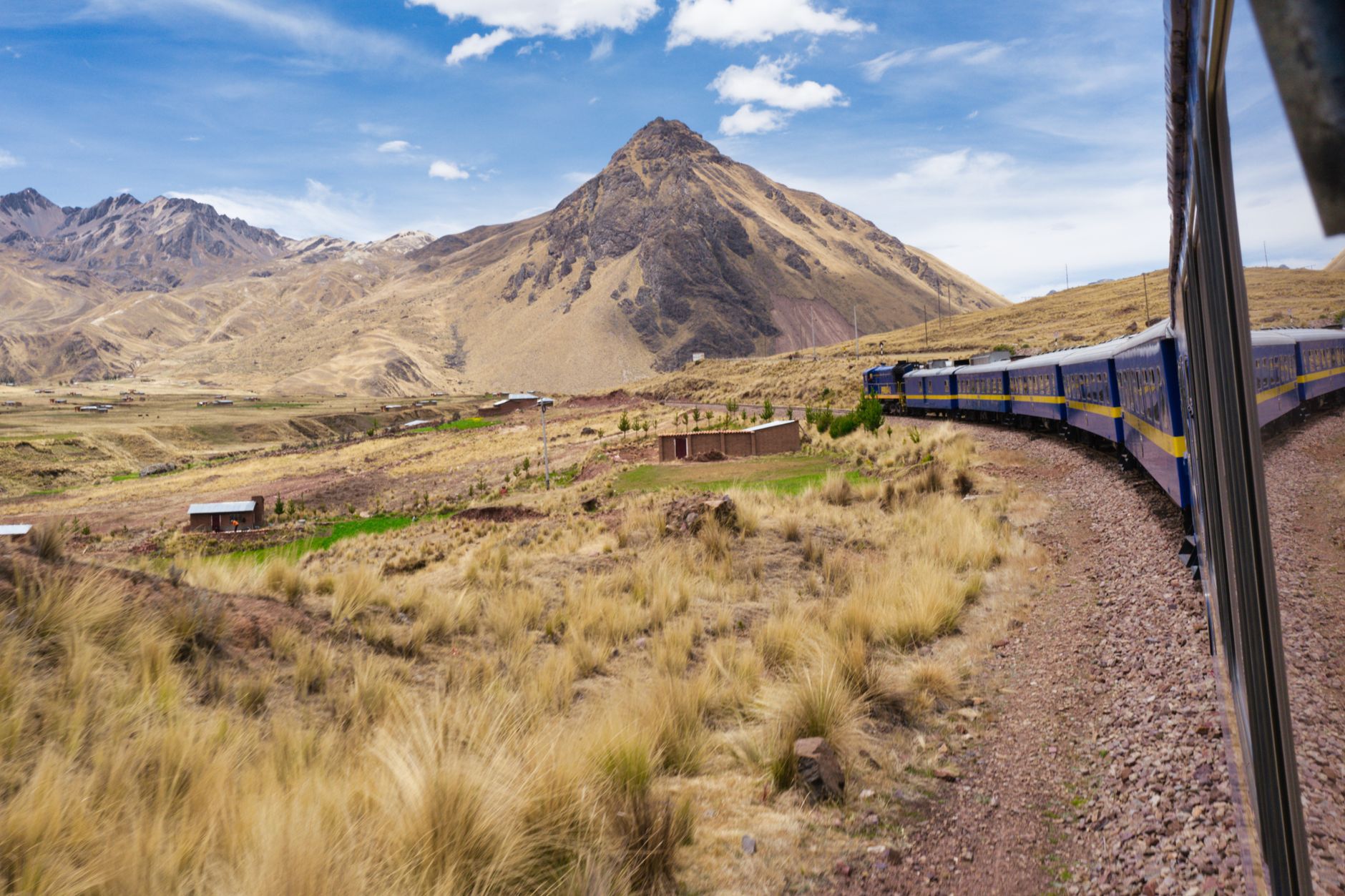
Machu Picchu is one of the most iconic archaeological sites in the world, drawing visitors from around the globe with its breathtaking views and rich history. Timing your visit can significantly enhance your experience, impacting everything from weather to crowds.
Determining the best time to visit Machu Picchu means considering various factors, such as weather patterns, trekking conditions, and personal preferences regarding crowd levels.
What Is The Best Time To Visit Machu Picchu?
The best time to visit Machu Picchu is during the dry season, which runs from late April to early October. This period offers the most favorable weather conditions for touring, with less rainfall and more sunshine. However, visiting during the shoulder months of April, May, September, and October can provide a balanced experience of good weather and fewer tourists.
Understanding the Seasons at Machu Picchu
Machu Picchu’s climate is primarily influenced by the Andes Mountains and the Amazon rainforest, leading to distinct wet and dry seasons. Understanding these seasons can help you decide when to go.
Dry Season (April to October)
The dry season is considered the best time to visit Machu Picchu. During this period, rain is minimal, and temperatures are moderate. Daytime temperatures generally range from 20°C to 24°C (68°F to 75°F), making it pleasant for explorations.
Peak tourist season occurs from June to August, coinciding with school vacations worldwide, which can lead to higher visitor numbers. It’s advisable to book your accommodations and Machu Picchu tickets in advance during this time.
Wet Season (November to March)
The wet season brings heavy rainfall, particularly from December to February. While some travelers may prefer the lush, green landscapes during this time, it’s essential to prepare for possible disruptions.
Temperatures can vary, often feeling cooler, especially in the evenings. While fewer tourists visit during these months, making it easier to experience the site, the heavy rains may hinder accessibility to certain trails and viewpoints.
Monthly Breakdown of Conditions
| Month | Weather | Crowds |
|---|---|---|
| January | Wet, rain likely | Low |
| February | Wet, cooler days | Low |
| March | Wet, transitional | Low to moderate |
| April | Improving weather | Moderate |
| May | Dry, mild temperatures | Moderate |
| June | Dry, peak season | High |
| July | Dry, peak season | High |
| August | Dry, peak season | High |
| September | Dry, fewer tourists | Moderate |
| October | Transitioning to wet | Moderate |
| November | Wet, more rain | Low |
| December | Wet, cooler | Low |
Experiencing Machu Picchu: What to Expect
Your experience of Machu Picchu will vary significantly based on the time of visit, especially regarding weather and crowd sizes.
Weather Considerations
The dry months offer sunny skies and minimal rain, ideal for capturing photographs of this ancient wonder. In contrast, visiting during the wet months will offer a more subdued atmosphere, with cloud cover and mist adding a mystical quality to the ruins.
Strong sunlight during the dry season makes sun protection essential, while packing waterproof gear and sturdy footwear is advisable for the wet season.
Crowd Levels
From June to August, expect throngs of visitors, making the experience feel crowded at peak times. Smaller crowds can be enjoyed during early visits or late in the day, regardless of the season.
If you prefer a quieter experience, aim for the shoulder months: late April, May, September, or October. These months combine decent weather without the heavy influx of tourists.
Ideal Length of Stay
For a fulfilling experience at Machu Picchu, a minimum of two days is generally recommended. This allows you to explore the ruins thoroughly and even hike surrounding trails, such as Huayna Picchu or Machu Picchu Mountain.
Your first day can be about touring the main archaeological site, while the second can focus on nearby hikes or even a trek to Aguas Calientes for dining and relaxation.
Planning Your Visit: Practical Tips
Getting to Machu Picchu requires careful planning, especially when considering train services, ticket purchases, and accommodation. Here are some practical tips for ensuring a smooth visit.
Getting There
Visitors typically reach Machu Picchu through a combination of modes of transportation. The journey includes traveling to the town of Aguas Calientes, which serves as the gateway to the ruins. This typically involves taking:
- A train from Cusco or Ollantaytambo, with several operators available for various budgets.
- A bus or walking a scenic trail up to the ruins once in Aguas Calientes.
Consider booking your train and bus tickets in advance, particularly during the peak season months.
Tickets and Reservations
All visitors must secure a ticket to enter Machu Picchu, with reservations highly recommended due to limited daily capacity. Tickets are available online, and various passes are offered based on access to additional attractions like Huayna Picchu or the sun gate.
It’s prudent to check available options and any possible discounts for students or groups, as pricing may vary based on the season.
Where to Stay
Accommodation in Aguas Calientes ranges from budget hostels to luxury hotels. Here’s a categorical breakdown:
- Budget: Hostels and guesthouses provide affordable options for backpackers and solo travelers.
- Mid-range: Consider eco-lodges and hotels offering comfort without stretching the budget.
- Luxury: If you seek a lavish stay, choose resorts that provide comprehensive amenities and stunning views.
Booking accommodations in advance is recommended, particularly during peak months when options can fill quickly.
Dining Options
Aguas Calientes boasts a variety of dining choices. Options range from casual eateries serving traditional Peruvian cuisine to upscale restaurants offering fine dining. Don’t miss sampling local delicacies such as:
- Ceviche: Freshly caught fish marinated in lime juice.
- Lomo Saltado: A flavorful stir-fry combining beef, tomatoes, and fried potatoes.
- Peruvian coffee: Enjoy a cup before your day of exploration.
Transportation within Aguas Calientes
Aguas Calientes is a compact town that is easy to navigate. You can choose between:
- Walking: Ideal for enjoying the scenery, with the town center being easily walkable.
- Taxis: Available for quicker transport, but they are not always necessary due to the town’s small size.
What to Pack
Preparation is key for an optimal visit to Machu Picchu. Here’s a packing list to consider:
- Comfortable walking shoes: Essential for exploring the uneven terrain.
- Lightweight clothing: Dress in layers for fluctuating temperatures.
- Rain gear: A waterproof jacket and pants are necessary for wet season visits.
- Sun protection: Sunglasses and sunscreen will protect against strong sunlight during the dry months.
- A reusable water bottle: Keeping hydrated is important, particularly in higher altitudes.
Special Considerations
Machu Picchu is generally accessible to most travelers, but there are specific considerations for certain groups:
Family Travel
The site can be enjoyable for families, but prepare your children for a day of walking and exploring. Some trails may not be suitable for very young children, so ensure family members can manage the terrain comfortably.
Solo Travel
Many travelers opt for solo visits, enjoying the freedom to explore at their own pace. Whether you participate in guided tours or venture independently, ensure your plans accommodate safety precautions and time management.
Accessibility
Machu Picchu has made advances in accessibility, but certain areas remain challenging for visitors with mobility issues. The path leading from Aguas Calientes to the ruins can be steep, and some elevations within the archaeological site are not easily navigable by wheelchairs or those with difficulty walking. Current accessibility options should be verified ahead of time.
Safety Precautions
Machu Picchu is generally safe for tourists, but it’s wise to remain aware of your surroundings, particularly in crowded areas. Respect the site by staying on designated paths and not attempting unauthorized climbing. Always monitor weather conditions closely before embarking on hikes, and take necessary precautions against altitude sickness.
Conclusion
Choosing the best time to visit Machu Picchu is essential for maximizing your experience amid its stunning landscapes and captivating history. The dry season provides favorable weather, while the shoulder months offer a quieter, yet equally enjoyable, experience. Whether you travel as a family, solo, or with friends, careful planning ensures a memorable visit to this remarkable site.
For further travel insights and tips, explore our guides and articles on various destinations and travel-related planning resources.