
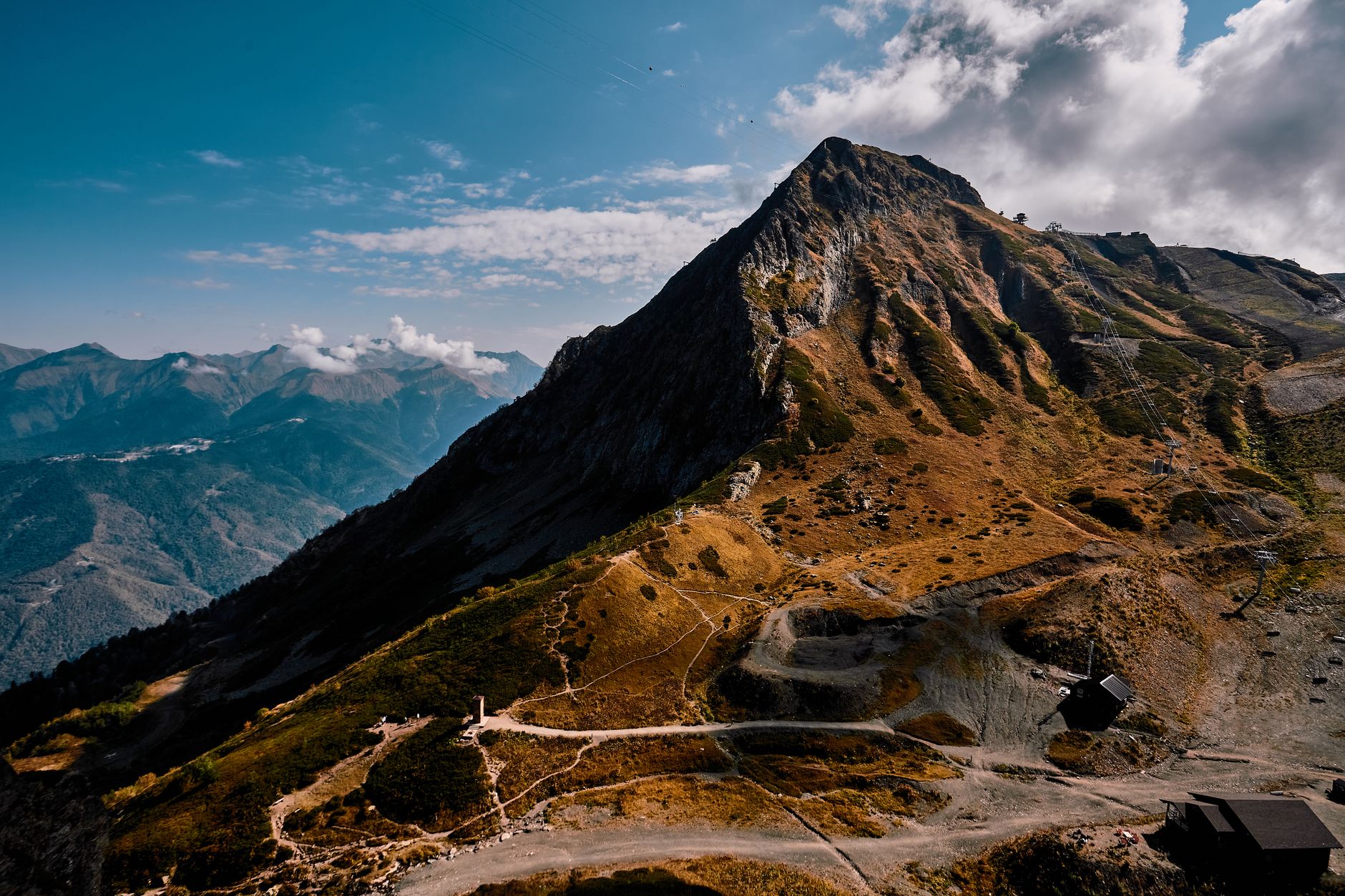
Everest Base Camp (EBC) is a significant milestone for trekkers and mountaineers from around the world. Situated in the Khumbu region of Nepal, EBC serves as the gateway for climbers aiming to ascend Mount Everest, the highest peak on Earth. The altitude and unique environment make this destination both a challenging and rewarding experience for adventurers.
The elevation of Everest Base Camp is approximately 5,364 meters (17,598 feet) above sea level. This altitude places trekkers in the realm of high-altitude hiking, where acclimatization becomes essential. This article details what makes EBC a popular trek and provides practical advice for planning your adventure.
What Is The Elevation Of Everest Base Camp?
The elevation of Everest Base Camp is around 5,364 meters (17,598 feet). This altitude is crucial for trekkers to understand, as it poses unique challenges such as altitude sickness and requires proper preparation for a successful trek.
Why Visit Everest Base Camp?
There are myriad reasons why adventurers flock to Everest Base Camp. The incredible natural beauty of the Himalayan landscape, the vibrant Sherpa culture, and the thrill of standing at the foot of the world’s tallest mountain are just a few of the draws. EBC offers unbeatable trekking experiences for all skill levels and backgrounds.
Moreover, those who may not be aiming to summit Mount Everest can still enjoy an impressive trekking experience. The route leading to EBC allows trekkers to experience breathtaking scenery, diverse wildlife, and unique cultural interactions without the technical skills required for high-altitude climbing.
Itineraries and Duration
A typical trek to Everest Base Camp usually spans about 12 to 16 days, depending on the chosen itinerary and any rest days for acclimatization. Below is a sample itinerary for a 14-day trek:
- Day 1: Fly from Kathmandu to Lukla and trek to Phakding (2,610 m).
- Day 2: Trek from Phakding to Namche Bazaar (3,440 m).
- Day 3: Acclimatization day at Namche Bazaar.
- Day 4: Trek from Namche Bazaar to Tengboche (3,870 m).
- Day 5: Trek from Tengboche to Dingboche (4,410 m).
- Day 6: Acclimatization day at Dingboche.
- Day 7: Trek from Dingboche to Lobuche (4,940 m).
- Day 8: Trek from Lobuche to Everest Base Camp (5,364 m) and return to Gorak Shep (5,164 m).
- Day 9: Hike to Kalapathar (5,545 m) for sunrise views, return to Gorak Shep.
- Day 10: Trek back to Pheriche (4,371 m).
- Day 11: Trek from Pheriche to Namche Bazaar.
- Day 12: Trek from Namche Bazaar to Phakding.
- Day 13: Trek from Phakding to Lukla.
- Day 14: Fly from Lukla back to Kathmandu.
Preparation for Your Trek
Proper preparation is vital for a successful trek to Everest Base Camp. Consider the following tips:
- Physical Fitness: Engage in regular cardio and strength training exercises in the months leading up to your trek. Hiking, running, cycling, and swimming can build your endurance.
- Acclimatization: Take your time during the trek and allow for rest days to acclimatize. This helps your body adjust to the high altitude.
- Gear: Invest in quality trekking gear that will endure the harsh conditions. Essential items include sturdy hiking boots, thermal layers, a waterproof jacket, and a good daypack.
- Health Precautions: Consult with a healthcare provider regarding altitude sickness and necessary vaccinations. Medications like Diamox can help prevent altitude sickness.
Best Time to Trek
The ideal time to trek to Everest Base Camp is during the spring (March to May) and fall (September to November). During these months, the weather is typically stable, offering clear views of the mountains.
Spring is particularly famous for wildflowers and a mild climate, while the fall offers stunning autumn views. However, both seasons draw many trekkers, so expect busier trails.
Getting to Everest Base Camp
To reach Everest Base Camp, your journey will begin in Kathmandu. Most trekkers take a flight from Kathmandu to Lukla, which is about a 30-minute journey. The airport in Lukla is at a high altitude, making it important to be prepared for a rapid altitude change.
After arriving in Lukla, it’s a multi-day hike to Everest Base Camp along well-trodden paths. Along the way, you will pass through picturesque Sherpa villages where you can learn about local culture and traditions.
Transportation and Accessibility
Transportation to and from Everest Base Camp primarily involves flights and trekking. Flights to Lukla can be affected by weather, so allow flexibility in your schedule. Overland transport options are far more limited due to the rugged terrain.
For those seeking a less adventurous option, pre-arranged tours and treks are available that include all necessary logistics: flights, accommodations, meals, and guided services. This can be particularly helpful for inexperienced trekkers.
Accommodation Options
Accommodations along the Everest Base Camp trek vary significantly. The most widely available options include:
- Lodges: Local lodges, or teahouses, offer simple accommodations with meals. They provide basic amenities: shared bathrooms, bedding, and dining areas.
- Tents: For those opting for guided treks, tent camping may be an option, allowing for a more adventurous experience under the stars.
- Luxury Lodges: There are a few luxury lodges along the trail, providing higher-quality amenities and dining options.
Regardless of your choice, book accommodations well in advance during peak trekking seasons, as they can fill quickly.
What to Pack for Your Trek
A well-planned packing list is critical for a successful journey. Below is a basic list of essential items to consider taking with you:
- Clothing:
- Base layers (thermal tops and bottoms)
- Insulating layers (fleece or down jacket)
- Outer layers (waterproof jacket and pants)
- Warm hat, gloves, and scarf
- Hiking pants and shorts
- Comfortable hiking boots
- Thick wool or synthetic socks
- Gear:
- Backpack (30-40 liters)
- Sleeping bag for cold weather
- Headlamp with extra batteries
- Water purification tablets
- First aid kit
- Other Essentials:
- Camera or smartphone for photos
- Power bank for charging electronics
- Travel insurance documents
- Guidebooks or maps
- Snacks (energy bars, nuts)
Food and Drink Along the Trek
Food options along the EBC trek are varied and cater to different diets. Traditional meals include:
- Dahl Bhat: A traditional lentil soup served with rice and vegetables.
- Momos: Nepali dumplings that are popular among trekkers.
- Thukpa: A hearty noodle soup, perfect for cold evenings.
- Vegetarian Options: Most lodges provide vegetarian alternatives, though the variety might be limited due to the altitude.
Hydration is essential. Bottled water is available for purchase, but it is advisable to use purification tablets as a more sustainable option.
Safety and Precautions
Safety should be a priority during your trek to Everest Base Camp. It’s crucial to:
- Monitor your body for signs of altitude sickness.
- Stay hydrated and eat nutritious meals.
- Travel with a guide, especially if you are inexperienced.
- Respect local customs and environments.
- Take weather conditions into account, as they can change rapidly in the mountains.
Family and Solo Travel Considerations
Everest Base Camp is suitable for both family trips and solo adventures. Families should ensure they have appropriate gear and consider child limitations in altitude. Engaging a trustworthy trekking company can add extra safety and ease for families.
Solo travelers also have options, as many group treks offer opportunities to socialize. However, it’s vital to maintain communication with someone who keeps track of your plans and whereabouts.
Conclusion
The Everest Base Camp trek offers a remarkable blend of adventure, cultural experiences, and stunning natural beauty. Understanding the elevation at Everest Base Camp at 5,364 meters ensures you’ve equipped yourself with the knowledge required to prepare well for this trek. With the right planning, gear, and mindset, your experience at Everest Base Camp can be transformative, fulfilling, and utterly magnificent.
For further exploration, consider checking out our related destination guides and travel-planning articles. Consider learning more about the best trekking routes in Nepal, tips on preparing for high-altitude hikes, or guides to local Sherpa culture.