
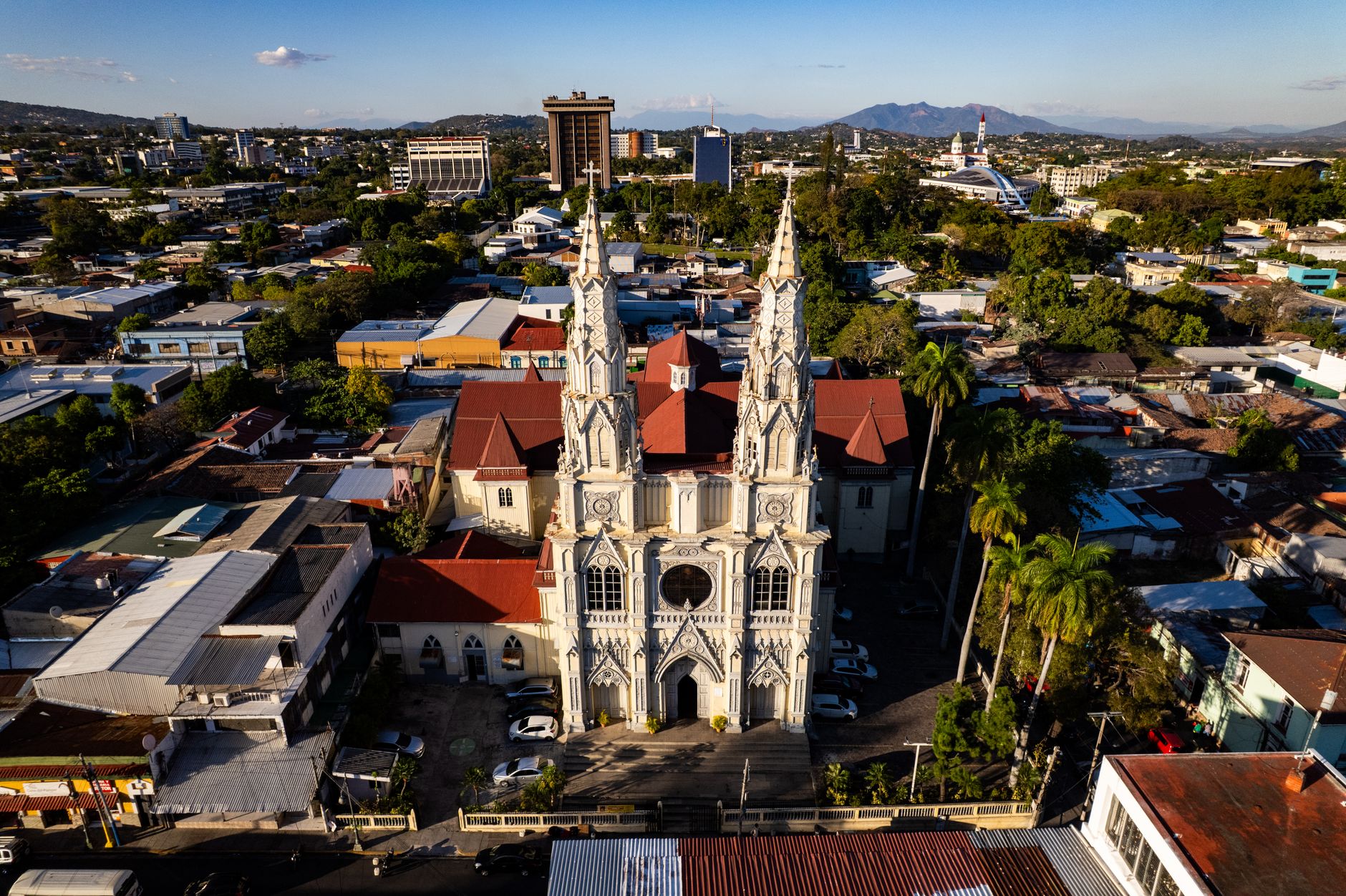
Central America, a region known for its incredible biodiversity, rich culture, and stunning landscapes, also has areas notorious for their crime rates. Travelers often ask, “What is the most dangerous country in Central America?” Understanding the context behind safety concerns is essential to ensure a secure and enjoyable trip.
While every country in the region has its unique highlights and challenges, Honduras is frequently cited as the most dangerous due to its high rates of violent crime, especially in urban areas. However, it’s essential to look beyond numbers and insights to make informed travel decisions.
What Is The Most Dangerous Country In Central America?
The most dangerous country in Central America is widely considered to be Honduras, due to its high levels of violence, crime, and gang-related issues, particularly in cities like San Pedro Sula and Tegucigalpa. Understanding the nature of the risks will help you navigate your travel plans more safely.
Understanding the Safety Context in Central America
A higher crime rate may often stem from a variety of factors, including poverty, political instability, and social issues. In Honduras, the gang presence significantly contributes to this volatility, leading to organized crime and violent encounters. However, it’s crucial to note that risks can be localized rather than representative of the entire country.
Crime Rates Overview
Central America generally faces issues like theft, robbery, and gang violence. When looking for statistics:
- Honduras often has a homicide rate significantly higher than other countries in the region.
- El Salvador and Guatemala also have issues with violence, though their rates have shown signs of improvement over the years.
- Costa Rica, while generally safe, faces occasional petty crime and some violent incidents.
Traveling Safely in Honduras
Despite its reputation, Honduras has breathtaking landscapes, culture, and history. If you plan to visit, being informed about safety can help mitigate risks.
Best Areas to Visit
Before traveling, familiarize yourself with safe areas within the country:
- Roatán: A popular Caribbean island known for its gorgeous beaches and vibrant marine life, it’s a favorite spot for tourists.
- Copán Ruinas: Renowned Mayan ruins that are a UNESCO World Heritage site, offering a deep dive into history.
- Utila: Famous for diving, it’s considered a safer destination when compared to the mainland cities.
Local Transportation
Using reputable transportation can enhance your safety:
- It is advisable to use registered taxis or rideshare apps if available.
- Avoid traveling after dark, especially in urban areas.
- Consider pre-booked transport services for long distances rather than using public buses.
Accommodation Tips
Choosing the right places to stay is critical. Opt for accommodations in reputable areas, particularly:
- Hotels with good security reviews and on-site staff.
- Popular tourist resorts in areas like Roatán and Utila, which often have security measures in place.
What To Do In Case Of Emergency
Being prepared can offer peace of mind while traveling:
- Keep a list of local emergency contacts, including police and ambulance services.
- Have a plan for what to do if you face theft or an emergency.
- Register with your country’s embassy in Honduras for extra assistance if needed.
Comparing Safety Across Central America
While Honduras is often seen as the most dangerous, understanding other countries’ safety backgrounds helps provide a clearer picture:
El Salvador
El Salvador is also known for violent crime, driven by gang activity. However, tourism in areas like San Salvador and the beaches of the Pacific coast is increasing, thanks to improved security measures. Travelers should remain vigilant, especially in major cities.
Guatemala
Guatemala has a colorful culture and rich history but faces significant safety concerns primarily due to gang-related violence. Cities like Guatemala City can be unsafe, but popular tourist spots like Antigua and Lake Atitlán are often regarded as safer, attracting numerous visitors.
Nicaragua
Nicaragua is generally safer than its neighbors, with lower rates of violent crime. However, political unrest sparked by protests in recent years can present risks. Travelers are encouraged to stay updated on local conditions during their visit.
Costa Rica
Costa Rica stands out as a relatively safe destination, with a vibrant eco-tourism sector. However, petty crime does occur in tourist areas. Being cautious with personal belongings and avoiding isolated areas adds to a safer experience.
Seasonal Considerations for Travel
The timing of your visit can be crucial for a safe and enjoyable trip. Central America’s seasons generally break down into:
- High Season (December to April): This is the dry season with pleasant weather but also more tourists, leading to increased prices.
- Low Season (May to November): While this period can see heavier rains, it often leads to quieter attractions and lower prices.
Additional Travel Safety Tips
Beyond the location-specific guidance, remember these essential tips:
- Avoid displaying flashy jewelry or electronics.
- Limit cash and cards to what you might need for the day.
- Be aware of your surroundings and listen to your instincts.
- Use hotel safes where available to secure valuables.
Suggested Length of Stay
For those wanting to explore Honduras, plan for at least a week to fully enjoy key areas:
- Visit Roatán for a few days of beach relaxation and diving.
- Add Copán Ruinas for a touch of history.
- Include time in Tegucigalpa or San Pedro Sula, but be cautious and informed about safety considerations.
Budget Considerations
Honduras can be quite affordable, making it a suitable destination for budget travelers:
- Accommodation can range from $10 for hostels to $100 for boutique hotels.
- Meals can be inexpensive with local eateries offering tasty food for around $5 to $10.
- Transportation using local buses is very affordable but may require vigilance and planning.
Conclusion
Honduras is considered the most dangerous country in Central America due to its high crime rates, specifically violent crime. While this should not deter travel, thorough research, and preparedness can significantly enhance your safety and enjoyment of the rich offerings in the region. Remember to stay informed and choose locations wisely for a safe and wonderful experience in Central America.
If you plan to explore more about safety and travel in Central America, consider reading about safety in Reynosa, Mexico, or checking if Costa Rica is safe for solo female travelers.