
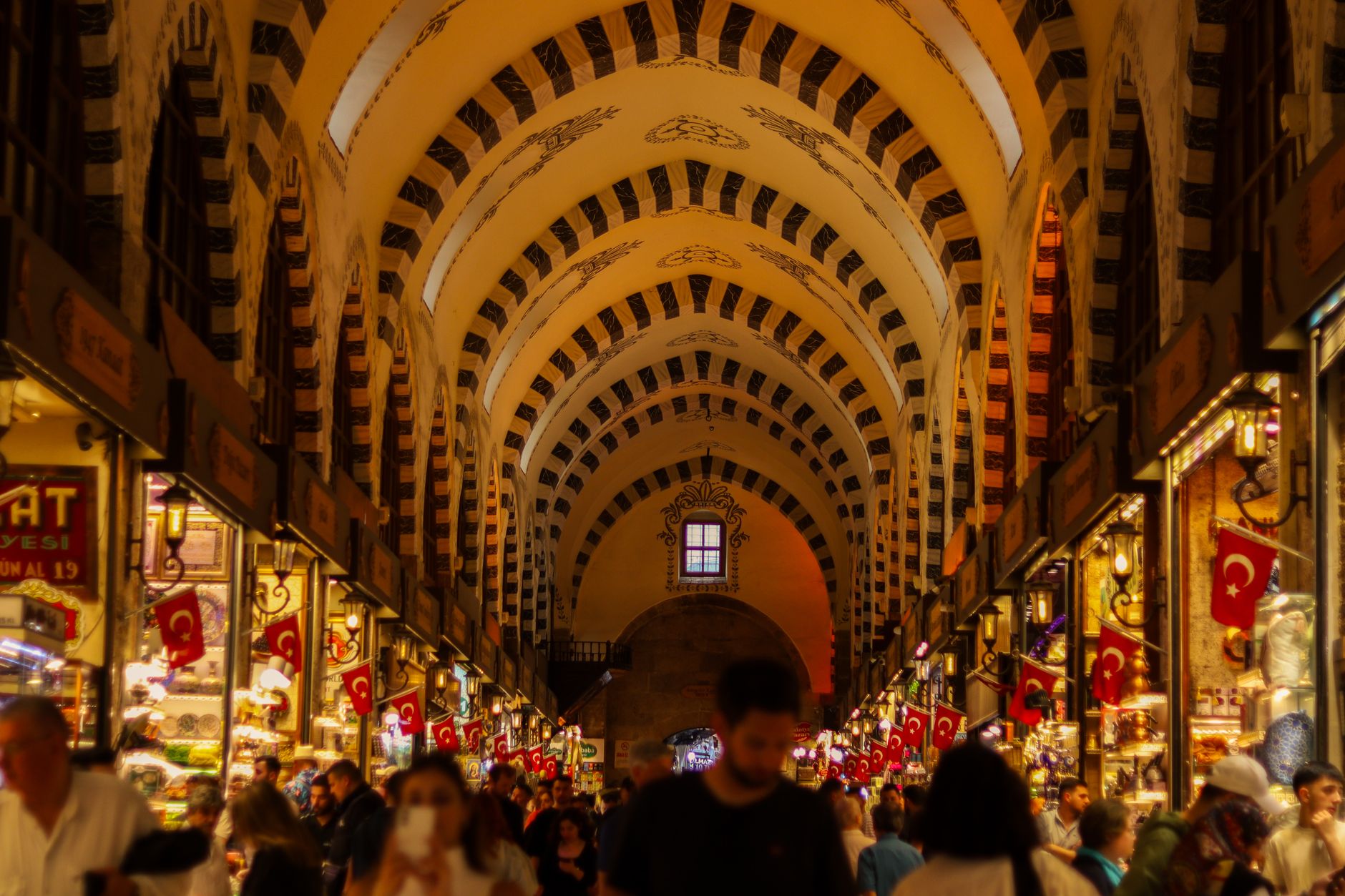
When planning a trip to Turkey, understanding the local currency and payment methods is essential for a smooth travel experience. Turkey primarily uses the Turkish Lira (TRY), which is further subdivided into kuruş. This article will guide you through everything you need to know about money in Turkey, including currency conversions, payment options, and practical tips for handling your finances while traveling.
From bustling bazaars to contemporary shopping districts, having a grasp on the financial aspect will enhance your ability to explore. We will cover where to exchange money, how to use debit and credit cards, and budgeting advice for your stay in this enchanting country.
What Currency Is Used in Turkey?
The official currency of Turkey is the Turkish Lira, symbolized by ₺. The Lira replaced the Ottoman Empire’s currency in 1923 and has gone through several changes and redenominations since then. The current version of the Turkish Lira was introduced in 2005, and its subdivisions consist of kuruş, with 100 kuruş equal to 1 Lira.
As of the latest information, one Lira comprises a range of notes, including 5, 10, 20, 50, 100, and 200 Lira. Coins are available in denominations of 1 kuruş, 5 kuruş, 10 kuruş, 25 kuruş, 50 kuruş, and 1 Lira. These coins and bills feature significant figures from Turkish history, making them interesting mementos to keep from your trip.
Where to Exchange Money in Turkey
Exchanging money in Turkey can be done in several ways, and choosing the right option can save you from unfavorable rates or hidden fees. Here are some common options:
- **Banks:** Most banks in Turkey offer currency exchange services, and they generally provide competitive rates. However, be aware that banks might have limited hours for currency exchange, especially on weekends.
- **Currency Exchange Offices:** These are widely available in tourist areas, airports, and city centers. Comparison shopping is recommended, as rates can vary between different exchange offices.
- **ATMs:** Using an ATM can be one of the most convenient ways to obtain Turkish Lira. Most ATMs accept foreign credit and debit cards, allowing you to withdraw cash in Lira at competitive exchange rates. Keep in mind that your bank may charge a fee for international withdrawals.
- **Airports:** While airports offer currency exchange services, the rates are usually less favorable compared to banks or exchange offices. It’s better to exchange a small amount at the airport for immediate expenses and seek better rates elsewhere.
Using Credit and Debit Cards in Turkey
Credit and debit cards are widely accepted in Turkey, especially in urban areas, hotels, restaurants, and shops catering to tourists. Visa and Mastercard are the most commonly accepted cards, while American Express may not be as widely accepted.
When using your card in Turkey, consider the following:
- **Notify Your Bank:** Before traveling, inform your bank of your travel plans to avoid any issues with your card being flagged for suspicious activity.
- **Dynamic Currency Conversion:** Some merchants may offer the option to charge your card in your home currency. This option often comes with high fees, and it’s typically advisable to choose to be charged in Turkish Lira instead.
- **Local Fees:** Your bank may charge fees for international transactions or currency conversions, so check with your financial institution beforehand.
- **Keep Cash Handy:** While cards are widely accepted, many smaller vendors, especially in rural areas or markets, prefer cash. Always have some Lira on hand to avoid inconveniences.
ATMs and Withdrawing Cash in Turkey
Using ATMs to withdraw cash can be a straightforward process. They are available in urban areas, tourist districts, and even some rural locations. However, consider these tips when using ATMs in Turkey:
- **Select a Bank ATM:** Opt for ATMs located at bank branches rather than standalone machines to reduce the risk of card skimming and fraud.
- **Watch for Transaction Fees:** Fees for ATM withdrawals can vary, so inquire about fees beforehand. It’s generally best to withdraw larger sums to minimize fees.
- **Annual Limits:** Be aware of any daily or weekly limits imposed by your bank on international withdrawals. This could affect how much cash you can withdraw during your trip.
Budgeting for Your Trip to Turkey
Developing a budget for your visit to Turkey will help you avoid overspending and ensure you can enjoy all the experiences the country offers. Here’s a general breakdown of daily expenses based on traveler types:
Budget Traveler
- Accommodation: Hostels or budget guesthouses at around ₺150-₺300 per night.
- Food: Local eateries and street food could cost approximately ₺40-₺80 per day.
- Transport: Public transportation averages around ₺10-₺20 per trip.
Mid-Range Traveler
- Accommodation: Hotels or boutique guesthouses may charge ₺500-₺800 per night.
- Food: Dining at mid-range restaurants can range from ₺100-₺200 daily.
- Transport: Budget around ₺50-₺100 per day for taxis and public transport.
Luxury Traveler
- Accommodation: Premium hotels or resorts cost upwards of ₺1,000 per night.
- Food: Fine dining can range from ₺300-₺800 per meal.
- Transport: Private transfers or luxury car rentals could total ₺300 or more per day.
When budgeting, it’s also important to account for entrance fees to attractions, activities, and any souvenirs you may want to purchase. Always have a contingency fund set aside for unexpected expenses.
How to Handle Tipping in Turkey
- **Restaurants:** A tip of 5-10% is customary for good service. Some restaurants may add a service charge, so check your bill before leaving a tip.
- **Hotels:** It is common to tip hotel staff such as bellboys or housekeepers ₺10-₺20 depending on the service provided.
- **Taxis:** Rounding up to the nearest Lira is appreciated. If the driver has provided exceptional service or assistance, you might consider a small tip.
Safety and Security with Money in Turkey
Keeping your valuables safe during your travels is crucial, and Turkey is no exception. Here are some safety tips for handling money:
- **Use a Money Belt or Hidden Wallet:** Keep your cash and cards secured in a money belt or hidden pouch to deter pickpockets, especially in crowded areas.
- **Avoid Flashy Displays of Wealth:** Refrain from displaying a lot of cash or expensive items. This will help you avoid unwanted attention.
- **Be Cautious with ATMs:** Choose well-lit and secure ATMs, preferably at bank locations during daylight hours.
What to Know About Currency Exchange Rates
Currency exchange rates fluctuate, so understanding them will help you make smart financial decisions while in Turkey. Here’s what to consider:
- **Keep an Eye on Rates:** Check current exchange rates before exchanging money to ensure you’re getting a fair deal. Many currency exchange websites and apps provide real-time rates.
- **Verify Conversion During Transactions:** When exchanging cash or withdrawing at ATMs, confirm the conversion rate being offered to avoid hidden fees.
- **Avoid Non-official Exchange Services:** Steer clear of street vendors or unofficial exchange services, as they may offer significantly lower rates or engage in scams.
Planning for Different Payment Methods
While cash remains king in many parts of Turkey, the trend of digital payments is increasing. Many locals and establishments are now accepting mobile wallets and contactless payments, which can add convenience to your trip:
- **Mobile Payment Apps:** Applications like Apple Pay, Google Wallet, and local options may be available. Confirm beforehand whether specific merchants accept mobile payments.
- **Contactless Debit/Credit Cards:** Most credit and debit cards today feature contactless options, making transactions faster and easier when purchasing at points of sale.
- **International Prepaid Travel Cards:** Consider using prepaid travel cards that allow you to load multiple currencies. These can safeguard against unfavorable exchange rates and help with budgeting.
Understanding Local Prices and Spending Wisely
Turkey can be an affordable travel destination depending on your preferences. Taking time to understand local prices can help you maximize your experience. Here’s a glimpse of what to expect:
- **Food:** Meals in local restaurants can start as low as ₺25, while international cuisine may cost more.
- **Transport:** Local buses and tram rides are generally cheap, often under ₺20.
- **Attractions:** Entry fees for museums or historical sites usually range from ₺20 to ₺100, with some discounts for students or locals.
It’s advisable to research prices beforehand and carry a local price guide to avoid overspending while exploring markets and shops.
Conclusion
Navigating money in Turkey, from currency exchanges to budgeting for your trip, doesn’t have to be complicated. By knowing the local currency, utilizing reliable payment methods, and being aware of safe money practices, you can focus on enjoying the breathtaking landscapes and rich culture that Turkey has to offer.
To take your planning further, check out our related guides on dining options in Cairo and Dubrovnik: best restaurants in Cairo and best restaurants in Dubrovnik.