
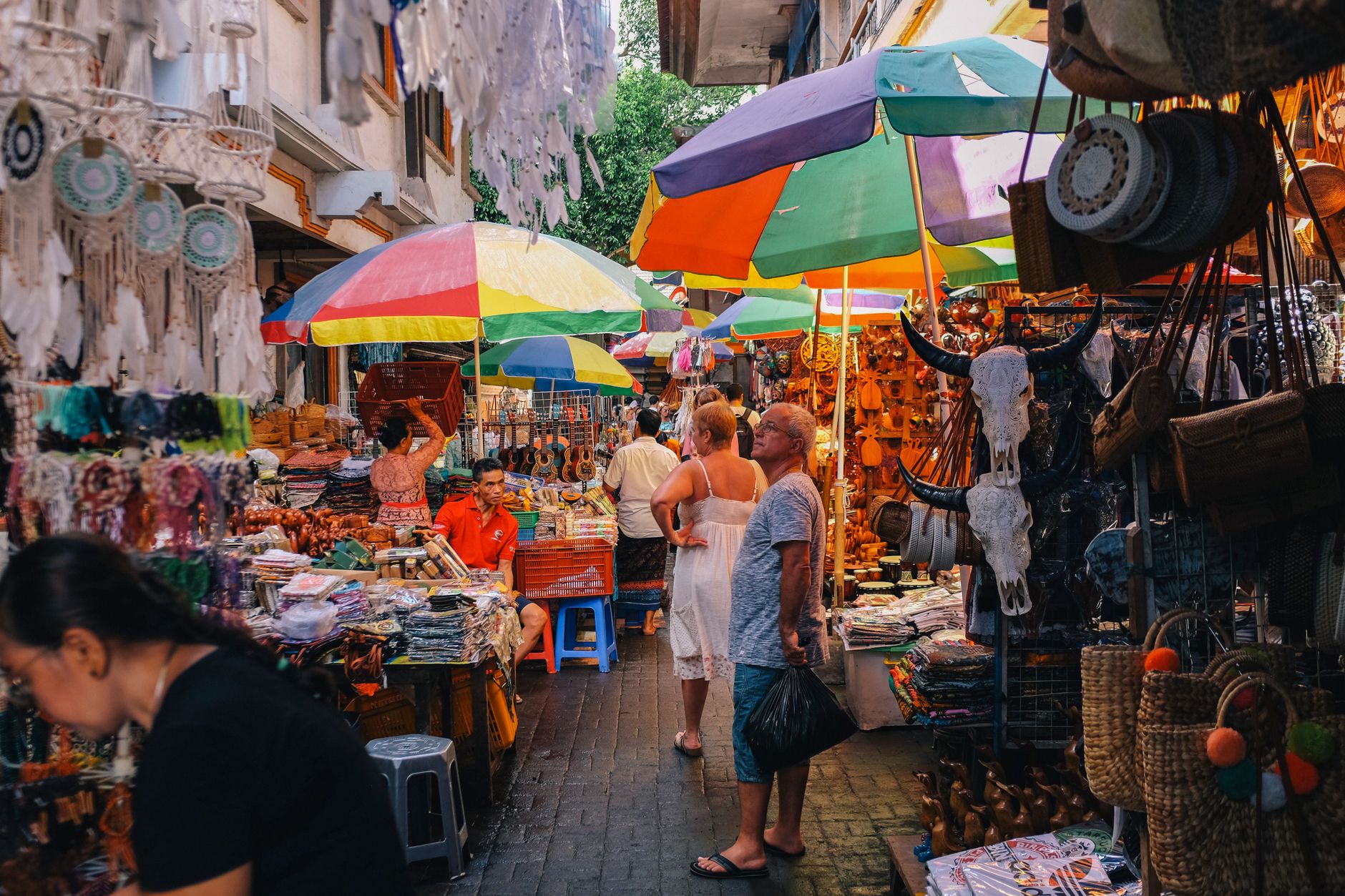
When visiting Egypt, the allure of its rich history and vibrant culture can inspire you to bring home a piece of this magical land. From hand-crafted artifacts infused with tradition to exquisite textiles celebrated for their artistry, the variety of goods available can be overwhelming. Knowing what to buy in Egypt can enhance your travel experience and allow you to cherish memories long after your trip.
In this guide, we’ll delve into the best items to purchase in Egypt, giving you insights into local markets and shops, as well as tips to help you navigate the buying process. Whether you’re a passionate collector, a fashion enthusiast, or someone on the hunt for unique souvenirs, there’s something for everyone.
What To Buy In Egypt?
Egypt offers an array of distinctive products that reflect its rich cultural heritage and artistic traditions. From handmade crafts to jewelry and spices, the options can cater to diverse tastes and budgets. Key items include Egyptian cotton products, leather goods, ancient replicas, and spices.
Famous Souvenirs to Purchase
- Egyptian Cotton Products: Famous worldwide, Egyptian cotton is known for its softness and durability. Items include sheets, towels, and clothing.
- Papyrus Scrolls: Authentic papyrus scrolls feature ancient hieroglyphs and are lightweight, making them easy to transport.
- Alabaster Items: Beautifully carved alabaster statues, vases, and lamps showcase excellent craftsmanship and can serve as elegant home decor.
- Jewelry: Gold and silver jewelry, often adorned with precious stones, reflect ancient Egyptian designs. Look for cartouche necklaces and scarab bracelets.
- Spices: Egyptian markets offer a vibrant assortment of spices, including cumin, coriander, and saffron, ideal for bringing a taste of Egypt back to your kitchen.
- Leather Goods: High-quality leather bags, belts, and sandals are common finds in local shops.
- Treasures of the Nile: Replicas of treasures from the tombs of the pharaohs, including figurines and artifacts, are popular purchases.
- Textiles: Colorful handmade rugs, tapestries, and bed linens display intricate designs and are a testament to local craftsmanship.
- Hookahs: Traditional water pipes, often beautifully crafted and decorative, can be a unique item to take home.
Where to Buy in Egypt?
Local Markets (Souks)
Shopping in local markets offers an immersive experience into Egyptian culture. Here are some renowned markets:
- Khan El Khalili Market: Located in Cairo, this historic bazaar is a bustling hub where you can find everything from jewelry to spices.
- Mohammed Ali Street: Situated near the Citadel in Cairo, this street features shops selling textiles, gifts, and handmade products.
- Aswan Souk: Known for its laid-back atmosphere, Aswan’s market is great for picking up souvenirs and engaging with local artisans.
- Luxor Souk: An excellent place for traditional crafts and souvenirs, Luxor’s market provides a vibrant shopping experience.
Shopping Malls
For a modern shopping experience, consider the following malls:
- The Mall of Egypt: A large shopping center in Cairo, offering international brands and food outlets.
- City Stars: Not only a shopping destination in Cairo but also a venue for dining and entertainment.
Artisan Shops and Boutiques
Seeking unique pieces? Artisan shops and boutiques often offer handcrafted goods. Look for local craftspeople who take pride in their work:
- Artisan Cairo: A boutique known for authentic Egyptian crafts, including handmade textiles and pottery.
- Hanging Church area shops: Explore the area around this historical church for individual artisan stalls.
Negotiating Prices
When shopping in Egyptian markets, haggling is expected. Here are tips to help you negotiate successfully:
- Do Your Research: Understanding the approximate value of items helps you negotiate better. Check online or ask locals beforehand.
- Be Respectful: Haggling is part of the culture but maintain a friendly demeanor while negotiating.
- Start Low: Begin negotiations at about 50% of the initial price and expect to settle somewhere in between.
- Know When to Walk Away: If the price does not suit you, don’t hesitate to walk away. This might prompt the vendor to lower the price.
What to Look For When Buying?
Before making a purchase, consider the following factors:
- Authenticity: Ensure the item is genuine, especially for antiques and artworks, which should come with some form of certification.
- Quality: Assess the craftsmanship of textiles, ceramics, and other handmade products to ensure value for your money.
- Local Artistry: Items that demonstrate local artistry and craftsmanship may hold more value than mass-produced goods.
- Size and Weight: Consider the ease of transportation. Some larger items may be beautiful but impractical for travel.
Packing Your Purchases
As you gather your treasures, proper packing is crucial:
- Fragile Items: Wrap delicate items like pottery and glass in clothing or bubble wrap to protect them.
- Textiles: Fold and pack textiles in a manner that prevents creasing and maintains quality.
- Allow for Air Travel: If you will be flying, consult airline regulations regarding limits on items and sizes.
Important Considerations
While shopping in Egypt can be a rewarding experience, keep the following considerations in mind:
- Cultural Sensitivity: Be respectful of local customs and practices, especially when photographing artisans or their work.
- Health Precautions: When buying food items, ensure they meet health standards to avoid consuming unsafe products.
- Language Barrier: Knowledge of basic Arabic phrases can enhance interactions with vendors.
- Stay Alert: Keep track of your belongings and be aware of your surroundings, especially in crowded areas.
Budgeting for Purchases
Egypt offers souvenirs at various price points, making it accessible for different budgets. Consider the following when planning your shopping expenses:
- Set a Budget: Determine how much you are willing to spend on souvenirs before you explore markets.
- Cash is King: Many small vendors prefer cash payments, so carry enough local currency for your purchases.
- Inquire about Discounts: Group purchases or off-peak buying can sometimes net you discounts.
Concluding Your Shopping Experience
After spending time engaging with local culture through shopping, it’s essential to take a step back and evaluate your experience. Reflecting on the items you’ve acquired can deepen your appreciation for the artistry and craftsmanship that went into creating them. Ensure that everything you purchased aligns with your initial intentions, and cherish each piece not just for its decorative qualities, but for the stories and history they carry.
Whether you walk away with intricately woven textiles, delicate alabaster carvings, or a collection of spices, the souvenirs you bring back will be reminders of your Egyptian adventure. Consider tying any loose ends with your purchases before departing, checking that everything is in order, and ready for travel.
Exploring what to buy in Egypt adds another layer to your travel adventure. Remember to embrace the local customs, enjoy the engaging interactions with artisans, and while you wander through the vibrant markets, let your preferences guide you to items that resonate personally. This approach will not only yield beautiful mementos but also serve to enrich your experience in Egypt.
For more culinary adventures, be sure to check out our guide on the best restaurants in Cairo, Egypt.