
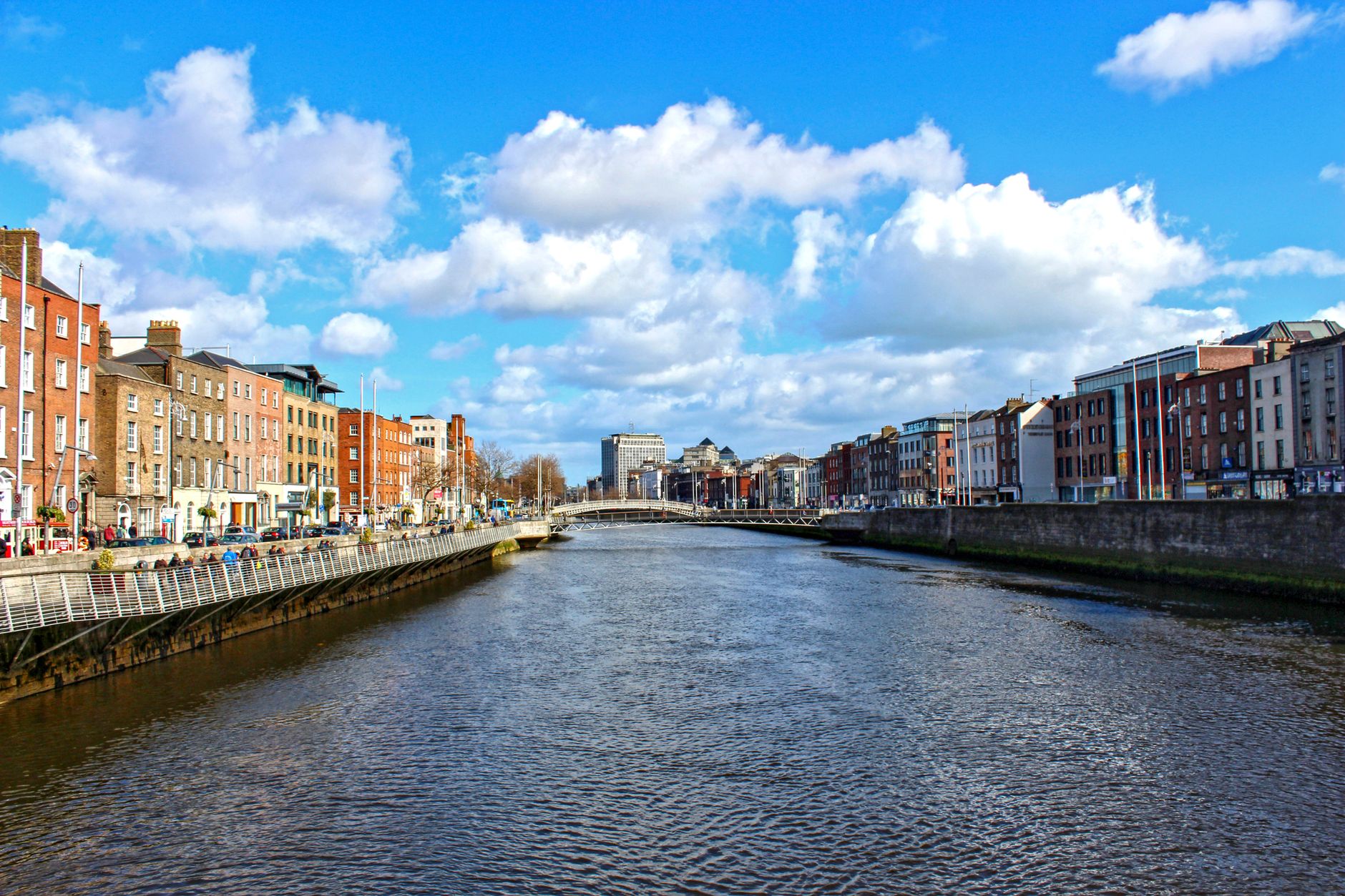
Dublin, the vibrant capital of Ireland, is known for its rich history, friendly locals, and lively atmosphere. Whether you’re a history buff, a literature lover, or simply looking to enjoy the local culture, Dublin has something for everyone. With its mix of historic landmarks, museums, beautiful parks, and buzzing pubs, the city offers a unique blend of experiences that can make your trip memorable.
This guide will explore the best things to see and do in Dublin to help you make the most of your visit. From iconic attractions to hidden treasures, here’s what to see in Dublin.
What To See In Dublin?
Visitors to Dublin can explore a myriad of attractions, including historical sites, cultural landmarks, and modern amenities. The city caters to all types of travelers, making it suitable for families, solo adventurers, and groups of friends alike.
Historical Attractions
Dublin is steeped in history, and its historical attractions are a testament to its rich and varied past. Here are some must-visit historical sites:
Trinity College and The Book of Kells
Founded in 1592, Trinity College is Ireland’s oldest university. Its most famous attraction, the Book of Kells, is a beautifully illustrated manuscript of the four Gospels created by Celtic monks around the year 800 AD. The college also boasts the stunning Long Room, a magnificent library filled with over 200,000 antique books.
Dublin Castle
Dublin Castle is a historic site, dating back to the 13th century, and has played an essential role in Ireland’s history. Guided tours provide insight into its significance, including the State Apartments, the Chapel Royal, and beautiful gardens. The castle’s architecture reflects Dublin’s evolution over centuries.
Kilmainham Gaol
This former prison is a poignant reminder of Ireland’s struggle for independence. Many prominent political prisoners were held here. Touring the gaol offers a profound insight into Ireland’s turbulent history and the fight for freedom, making it an eye-opening experience for visitors.
The General Post Office (GPO)
The GPO is an iconic landmark on O’Connell Street and a central site during the Easter Rising of 1916. Visitors can explore the building, which features an exhibition detailing the events of the rising and its significance in modern Irish history.
Cultural Highlights
Dublin is not just about history; it’s also a hub for art, literature, and music. Here are some of its key cultural highlights:
The National Museum of Ireland
Comprising several branches, the National Museum showcases Ireland’s incredible artistic and cultural heritage. Key museums include the Archaeology branch, featuring artifacts from ancient Irish history, and the Decorative Arts & History branch, showcasing everything from furniture to costume history.
The Irish Museum of Modern Art (IMMA)
Located in the Royal Hospital Kilmainham, IMMA hosts a range of contemporary art exhibitions and has a beautiful outdoor space for visitors to enjoy. The museum focuses on modern Irish and international art, making it an excellent stop for art lovers.
The Dublin Writers Museum
Literature enthusiasts will appreciate the Dublin Writers Museum, dedicated to showcasing the lives and works of celebrated Irish writers, including James Joyce, W.B. Yeats, and Samuel Beckett. The museum features portraits, manuscripts, and artifacts from well-known authors, providing a deep dive into Ireland’s literary scene.
Abbey Theatre
As Ireland’s national theater, the Abbey Theatre has an impressive history of showcasing original Irish productions. A visit can include watching a play or taking a guided tour to learn about its significance in promoting Irish literature and culture.
Parks and Outdoor Spaces
Dublin is home to beautiful parks and green spaces perfect for relaxation or leisurely strolls. Here are some of the city’s best:
St. Stephen’s Green
This historical park located in the city center covers 22 acres of beautifully landscaped gardens, ponds, and pathways. It’s a popular spot for locals and visitors alike, making it a great place to unwind and enjoy a picnic.
Phoenix Park
One of the largest walled city parks in Europe, Phoenix Park spans over 1,750 acres. It’s home to a herd of wild deer, beautiful walking trails, and attractions such as Dublin Zoo, making it an ideal location for families and nature lovers.
Botanic Gardens
Located in Glasnevin, the National Botanic Gardens present an extensive collection of plants, rare orchids, and beautifully designed landscapes. The gardens offer a peaceful escape from the city’s bustle and host several events throughout the year.
Food and Drink
Dublin has a vibrant food scene with options ranging from traditional Irish fare to modern culinary experiences. Here are some top food and drink experiences you shouldn’t miss:
Traditional Irish Pub Experience
No visit to Dublin is complete without sampling its famous pubs. Popular establishments like The Temple Bar and The Brazen Head offer traditional Irish music, lively atmospheres, and classic dishes such as Irish stew and fish and chips.
Food Markets
Dublin hosts several food markets that showcase local produce and artisanal goods. Check out the Dublin Flea Market or the Temple Bar Food Market for a taste of local flavors. You can sample fresh cheeses, baked goods, and street food from various vendors.
Fine Dining
For a more upscale experience, consider dining at one of Dublin’s Michelin-starred restaurants, such as Chapter One or The Greenhouse. Both offer exquisite cuisine that highlights local ingredients with international flair.
Day Trips from Dublin
While there’s plenty to see in the city, Dublin’s location makes it easy to explore nearby attractions. Consider taking a day trip to:
Howth
This charming fishing village is just a 30-minute train ride from Dublin. Enjoy breathtaking coastal views, cliff walks, and fresh seafood at local restaurants. The Howth Summit offers stunning panoramic views of Dublin Bay.
Glendalough
Known for its scenic beauty, Glendalough is home to an ancient monastic site set amidst lush landscapes. It’s about an hour from Dublin and offers excellent hiking trails that lead to beautiful lakes and valleys.
Newgrange
Approximately an hour’s drive from Dublin, Newgrange is a prehistoric site and a UNESCO World Heritage Site. This ancient passage tomb, built over 5,000 years ago, is older than Stonehenge and the Great Pyramids and offers guided tours of its fascinating history.
Transportation in Dublin
Getting around Dublin is relatively easy, with several transportation options available:
Public Transport
Dublin’s public transport system includes buses, the Luas (light rail), and DART (Dublin Area Rapid Transit). Purchase a Leap Card for convenient travel across all modes of public transport at a discounted rate.
Walking
Dublin is a compact city, and many attractions are within walking distance of each other. Strolling through its streets often reveals charming shops, cafes, and historical sites, making it a pleasant way to explore.
Taxi and Rideshare
Taxis are readily available throughout the city and can be hailed on the street or booked via apps like Uber. This can be a convenient option, especially late at night or when travelling to areas outside the city center.
Where To Stay
Dublin offers a range of accommodation options from luxury hotels to budget hostels. Here are some top neighborhoods and recommendations:
City Centre
The city center is the ideal base for first-time visitors. Areas around Temple Bar, O’Connell Street, and Trinity College offer easy access to major attractions, dining, and nightlife. Recommended hotels include The Morgan and Clayton Hotel Burlington Road.
Docklands
The modern Docklands area features upscale hotels with views of the River Liffey. It’s a great choice for travelers who enjoy trendy bars and restaurants. TheAlex and The Marker Hotel are popular accommodations here.
Smithfield
This up-and-coming area offers a mix of local culture and charm, with options like budget hotels and boutique stays. Places like The Generator Hostel cater to backpackers and budget-minded travelers seeking a social atmosphere.
When To Visit Dublin
Dublin can be visited year-round, but there are advantages and disadvantages to each season:
Spring (March to May)
Spring is a lovely time to visit with mild weather and blooming flowers. The city’s many parks come to life, and events such as St. Patrick’s Day celebrations occur in March.
Summer (June to August)
Summer attracts the most tourists with warm temperatures and a bustling atmosphere. While this is peak tourism season, be prepared for higher prices and crowded attractions. It’s an excellent time for outdoor festivals.
Autumn (September to November)
Autumn offers comfortable weather and fewer crowds, making it a great time to explore. Cultural events such as the Dublin Theatre Festival occur during this season.
Winter (December to February)
Winter can be chilly and damp but is magical with festive lights and a vibrant atmosphere during the holiday season. Enjoy the festivities and traditional Irish hospitality in cozy pubs.
Budget Considerations
There are ways to explore Dublin on various budgets. Here are some considerations:
Accommodation
Accommodation in Dublin can range from budget hostels (£15-£30) to boutique hotels (£100+) and luxury hotels (£200+). Booking in advance can help secure better rates.
Dining
Meals can cost anywhere from £10 for pub food to upwards of £50 for fine dining. Consider trying local eateries or food markets for more affordable and authentic options.
Attractions
Many attractions, such as parks and some museums, are free or have a minimal entry fee. For popular sites, consider purchasing a Dublin Pass for potential savings on multiple attractions.
Safety and Accessibility
Dublin is relatively safe, but visitors should remain aware of their surroundings, especially in crowded areas. Avoid empty streets at night and be cautious with personal belongings.
In terms of accessibility, Dublin has made significant strides toward accommodating all visitors, with many attractions being wheelchair accessible. However, some older buildings may have limited access.
Final Tips for Visiting Dublin
- Purchase a Leap Card for cost-effective public transport.
- Check event calendars for local festivals and happenings during your visit.
- Try the local cuisine, particularly Irish breakfast and traditional stews.
- Engage with locals; they are friendly and enjoy sharing stories about their city.
- Be prepared for the weather; carry a light raincoat or umbrella regardless of the season.
With its blend of rich history, vibrant culture, and stunning scenery, Dublin offers an array of experiences for all types of travelers. Whether it’s your first visit or a return trip, you’ll find plenty to see and do in this iconic city.
Now that you’re equipped with all this information, it’s time to start planning your adventure in Dublin. While you’re at it, consider exploring the best restaurants in Dublin or discovering more about dining options in the city. Happy travels!