
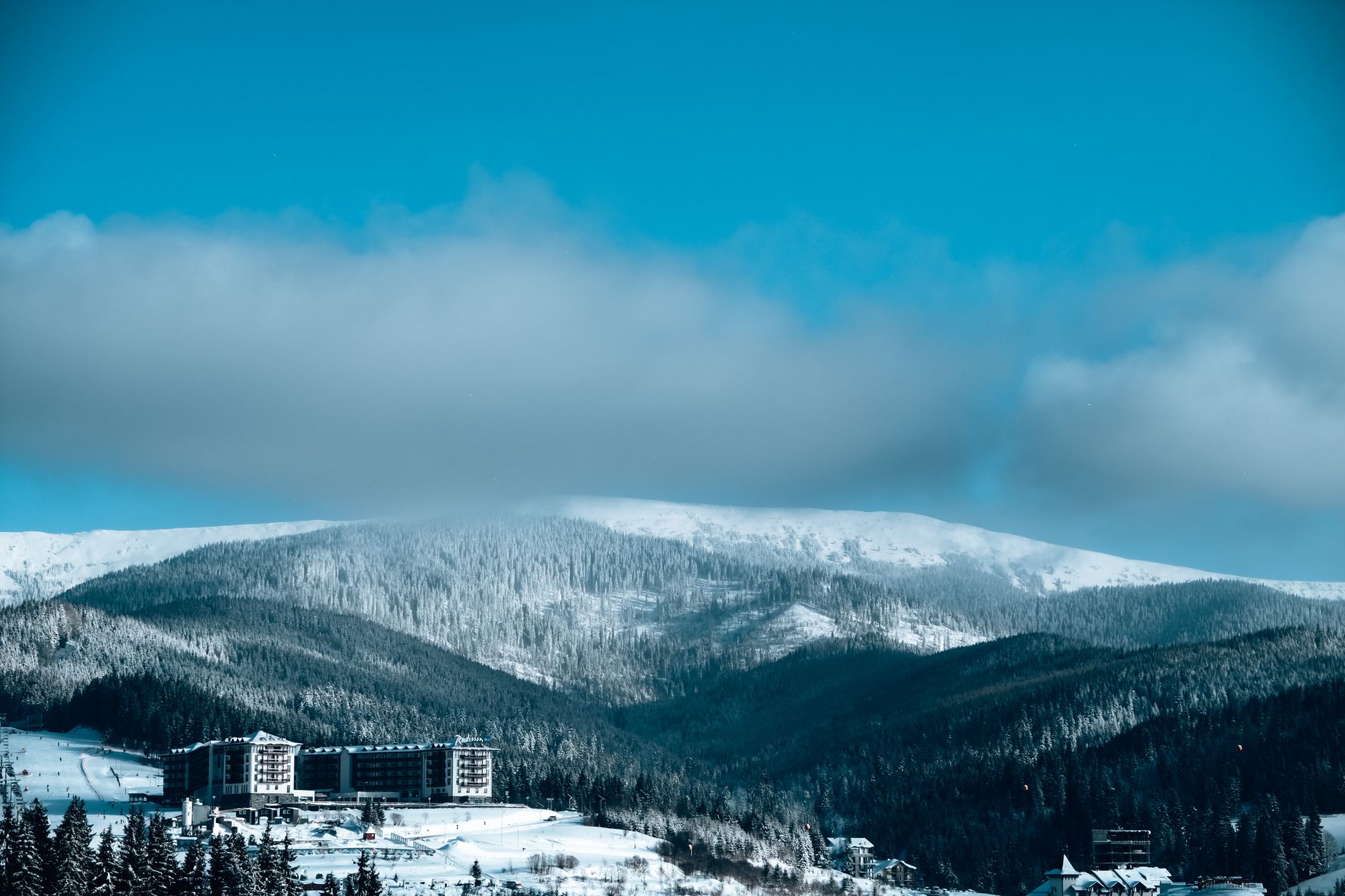
The beauty of Lake Tahoe is amplified during the winter months when snow blankets the mountains and creates a picturesque winter wonderland. For travelers planning to visit this stunning destination, knowing when the snow begins to fall is essential for maximizing the experience. This practical guide will provide you with insights into Tahoe’s snow season, including timing, activities, and tips for the best winter getaway.
Whether you’re planning to ski, snowboard, or simply enjoy the scenic views, understanding the snow patterns at Tahoe will help you make the most of your trip. So, when does it start snowing in Tahoe? Let’s dive in!
When Does It Start Snowing In Tahoe?
Snow typically starts falling in Tahoe around late October to early November. The heaviest snowfall usually occurs from December through March, with January and February being the peak months for skiing and winter sports. Planning your trip during these months guarantees not just the snow but also plenty of winter activities.
Understanding Lake Tahoe’s Climate
Lake Tahoe experiences a high desert climate, characterized by cold, snowy winters and warm, dry summers. The mountainous terrain contributes to significant snowfall, particularly on the western and northern shores. The temperature can fluctuate widely, so being prepared for quickly changing weather conditions is crucial.
As temperatures drop in the fall, moisture from storms often begins to fall as snow in the higher elevations surrounding the lake. This is when visitors can expect the first dusting of snowflakes, setting the stage for the busy winter season.
Peak Snowfall Months
The best months for snowfall in Tahoe are generally December, January, and February. Here’s a breakdown of what each month offers:
- December: Early December may feature light snowfall with occasional storms, leading to a more reliable base by the holidays.
- January: This month often brings the coldest temperatures and the most consistent snowfall, making it ideal for winter sports.
- February: Similar to January, February often sees significant snowfall, and ski resorts can be at their busiest, especially around holiday weekends.
Timing Your Visit for Snow Activities
If you’re planning to visit for snow activities, timing is important. Here’s a suggested framework based on your interests:
For Skiing and Snowboarding
The best time for skiing and snowboarding is typically from mid-December to March. Book your accommodations early, especially during holiday breaks and weekends.
For Family Activities
Families can visit starting in late November when holiday activities ramp up, and by December, resorts start holding festive events. Consider visiting during winter break for family-friendly programming.
For Thrill-Seeking Adventurers
If you’re looking for backcountry activities or other adventure sports, January to February is ideal as the snowpack stabilizes, creating optimal conditions.
Planning Your Trip to Tahoe
When planning your trip to Lake Tahoe, here are some essential details to consider:
Accommodations
Lake Tahoe offers numerous lodging options ranging from luxury hotels to cozy cabins. Booking in advance, especially for peak snowfall months, ensures a better selection and rates. Here are some areas to consider:
- South Lake Tahoe: Offers bustling nightlife and proximity to Heavenly Ski Resort.
- North Lake Tahoe: Known for quieter resorts and beautiful scenery.
- Truckee: A historic town that combines great dining options with access to ski areas.
Getting There
Lake Tahoe is accessible from several major airports. The following are your best options:
- Reno-Tahoe International Airport: The closest airport, located approximately 45 minutes from South Lake Tahoe.
- Sacramento International Airport: About 2 hours away, providing additional flight options.
Rental cars are available at both airports, and shuttle services to and from Tahoe can simplify your travel planning.
What to Pack
Here’s a practical packing list for your winter trip to Tahoe:
- Waterproof ski jacket and pants
- Warm layers (thermal tops, fleece jackets)
- Winter boots with good traction
- Ski gear (if you own it, or plan to rent)
- Gloves, hats, and scarves
- Sunscreen and sunglasses (sun reflecting off the snow can be intense)
Activities to Enjoy When It Starts Snowing
Once the snow begins to fall, numerous activities await you in Tahoe. Here’s a list of popular winter activities:
Skiing and Snowboarding
Tahoe boasts several ski resorts catering to all skill levels. Notable choices include:
- Heavenly Ski Resort: Offers stunning views of the lake and a range of trails.
- Northstar California: Known for luxurious accommodations and well-groomed slopes.
- Squaw Valley: Famous for its challenging terrain and Olympic history.
Snowshoeing and Cross-Country Skiing
For those looking to explore at a slower pace, snowshoeing and cross-country skiing trails are plentiful. Check out:
- Lake Tahoe Nevada State Park
- Royal Gorge Cross Country Ski Resort
Sledding and Tubing
Fun for the entire family, sledding and tubing venues such as Adventure Mountain Lake Tahoe provide thrilling rides down gentle slopes.
Ice Skating
Don’t miss the chance to enjoy ice skating on designated rinks. Heavenly Village and Northstar Village both feature outdoor rinks surrounded by shops and restaurants.
Dining Options in Tahoe During Winter
After a day of snowy adventures, warming up with delicious food is a must. Tahoe offers a range of dining options, from casual eats to fine dining.
- Base Camp Pizza Co. (South Lake Tahoe): Known for its hearty pizzas and cozy atmosphere.
- Truckee Tavern and Grill (Truckee): Offers hearty American fare in a rustic setting.
- Gar Woods Grill & Pier (North Lake Tahoe): Offers lakeside views and gourmet dishes.
Safety and Preparedness
Winter travel can come with risks, so here are some safety tips:
- Check weather conditions and warnings before heading out, as mountain weather can change rapidly.
- Always tell someone your plans if heading into backcountry areas.
- Dress in layers and stay hydrated to combat the cold.
Transportation and Getting Around Tahoe
If you’re not relying on a rental vehicle, Tahoe offers various transportation options:
- Tahoe Area Regional Transit (TART) provides bus services connecting various areas, especially around ski resorts.
- Ride-sharing services are available, though it can be more limited than in urban areas.
- Consider arranging shuttle services that accommodate ski gear for convenience.
Conclusion
Understanding the snow cycle in Lake Tahoe is essential for planning an unforgettable winter getaway. The best snow typically falls between late October and March, with peak conditions in January and February. With various activities, stunning landscapes, and local dining options, your Tahoe experience will be filled with memorable winter adventures.
For more travel tips, consider exploring information about California’s snowy regions and the closest airport to Lake Tahoe.