
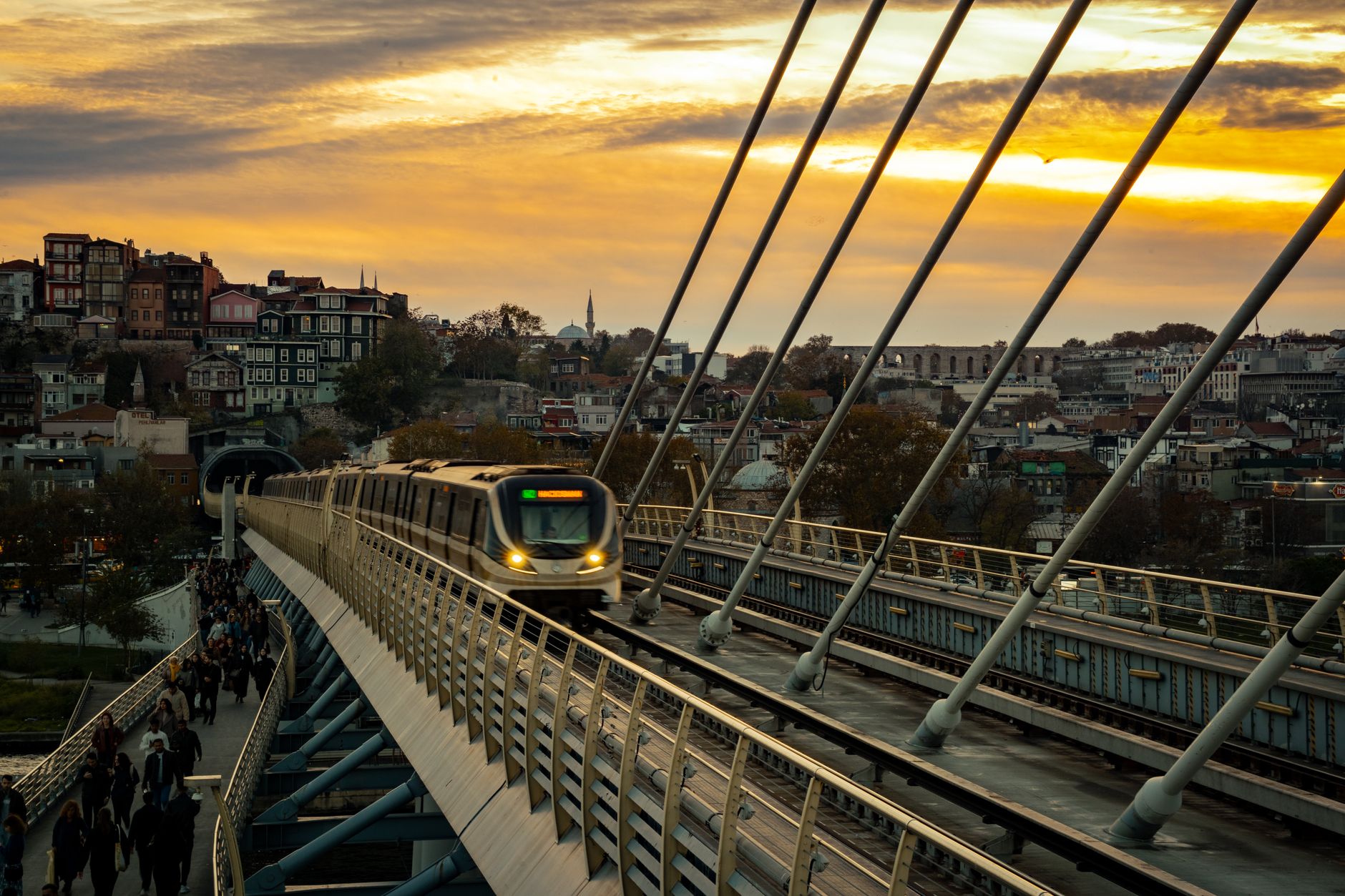
The Washington D.C. Metro system is a vital transportation option for both residents and visitors. Understanding its operating hours is crucial for planning your travel logistics. This article provides a comprehensive overview of when the Metro closes, detailing the schedules for weekdays, weekends, and holidays.
From iconic landmarks to vibrant neighborhoods, the Metro offers easy access to many attractions in the nation’s capital. Knowing the hours of operation can help you make the most of your time in D.C.
When Does The Metro Close in D.C.?
The Washington D.C. Metro generally closes at midnight on weekdays and at 1 a.m. on weekends. However, specific closing times may vary based on the line and the day, so it’s advisable to confirm schedules before your trip.
Understanding Metro Hours of Operation
The Metro operates based on a set schedule that varies throughout the week. Knowing these details can help you navigate your travel plans efficiently.
Weekday Hours
- Monday to Thursday: 5:00 a.m. to 12:00 a.m.
- Friday: 5:00 a.m. to 1:00 a.m.
Weekend Hours
- Saturday: 7:00 a.m. to 1:00 a.m.
- Sunday: 7:00 a.m. to 12:00 a.m.
Holiday Hours
On holidays, Metro operates on a modified schedule. Common holidays like New Year’s Day, Independence Day, and Thanksgiving may have altered opening and closing times, generally opening at a later time and closing earlier. Always check the Metro’s official website for the latest holiday service adjustments.
Factors Influencing Metro Operational Hours
It’s essential to consider certain factors that might affect the Metro’s hours of operation. Events, maintenance, and other unforeseen circumstances can sometimes lead to schedule changes. Here’s what you need to keep in mind:
Special Events
Attending an event in D.C., such as a concert, festival, or political gathering, can affect Metro schedules. During major events, extended hours may be offered, or certain lines may operate differently.
Maintenance Activities
Regular maintenance ensures the safety and reliability of the Metro service. Scheduled maintenance may lead to reduced service or altered hours, especially during weekends. Be sure to check the Metro’s web pages for updates on planned maintenance.
Seasonal Variations
The time of year can also influence Metro hours. For instance, the summer months during tourist season might see extended weekend hours to accommodate increased ridership.
Using the Metro After Hours
If your plans involve navigating the city late at night, consider alternative modes of transport available post-Metro hours. Options like ridesharing services, taxis, or even hotel shuttles can provide safe and reliable transportation.
Tips for Navigating Metro Hours
A few practical tips can help ensure smooth travel when relying on the Metro:
- Check Metro app or website: Always verify the latest schedules before heading out.
- Plan your route: Use the Metro map to familiarize yourself with lines and stations, ensuring you’re aware of your transfer points.
- Consider peak hours: Metro can be crowded during peak hours—typically mornings from 7:00 a.m. to 9:30 a.m. and afternoons from 4:00 p.m. to 6:00 p.m.
- Keep an eye on your surroundings: Late at night, stay alert for safety.
Popular Destinations Accessible via Metro
The Metro provides easy access to some of D.C.’s most renowned attractions. If you plan to visit these locations, it’s essential to know when to catch the last train or plan for alternative transportation.
The National Mall
A hub for many iconic landmarks such as the Lincoln Memorial, Washington Monument, and various museums, the National Mall is easily reachable via Metro. The nearest stations include Smithsonian and Federal Triangle.
The Smithsonian Museums
Offering free admission, the Smithsonian Museums are popular with tourists. You can easily explore them by taking the Metro to the Smithsonian station.
The White House
Navigate to the McPherson Square or Foggy Bottom – GWU Metro stations for a close visit to the White House. Be mindful of when to return, as late-night visits may require planning for alternate transport options.
Georgetown
Though there is no direct Metro access to Georgetown, you can take the Metro to Foggy Bottom and then catch a bus or rideshare to this vibrant neighborhood known for its historic architecture and shopping.
Traveling During Peak Times
To optimize your Metro usage, consider the following recommendations when traveling during peak times:
- Ride early or late: If your schedule allows, travel just before or after traditional rush hours.
- Use alternate lines: If one line appears congested, check for nearby lines that may provide a more comfortable commute.
Accessibility Considerations
Metro stations in D.C. strive to be accessible for everyone, including wheelchair users and those with mobility challenges. Here are steps you can take if you need assistance:
- Elevators: Many stations have elevators, but not all. It’s best to check the Metro website for specific station accessibility.
- Staff assistance: Metro staff are available and can provide help as needed. Don’t hesitate to ask for support.
Metrorail vs. Metrobus
While the Metrorail network is extensive, the Metrobus service can also offer valuable alternatives for reaching destinations not directly served by rail. Here’s a quick comparison:
| Feature | Metrorail | Metrobus |
|---|---|---|
| Coverage | Extensive rail network | Covers areas not accessible by rail |
| Hours | Generally closes earlier | Some buses run overnight |
| Frequency | Varies by time | Varies by line |
Fares and Payment Options
Familiarizing yourself with fare structures and payment options can help make your Metro experience smoother:
- SmarTrip Card: This rechargeable card can be used for both Metrorail and Metrobus services, providing a slight discount on fares.
- One-Ride Tickets: Single-ride tickets can be purchased at vending machines but do not offer the fare discount smarTrip provides.
Budgeting for Your Metro Travel
Understanding fare pricing can help you budget your trip effectively. Base fares for Metrorail range from $2.00 to $6.00, based on distance and time of day. Bus fares typically hover around $2.00, with discounts for seniors and students. Be sure to account for these costs when planning your overall expenses.
Conclusion
Knowing when the Metro closes is just part of navigating Washington D.C.’s public transport system. Understanding its hours of operation will allow you to make the most of your trip, getting you to attractions and back to your accommodation efficiently. Using resources like the Metro’s official website and mobile app will keep you updated on any changes that may arise during your visit.
For further trip planning information, including where to stay and travel itineraries, be sure to explore related destination guides and articles. You can check out guides on where to stay in Boston with kids or how to get from Seattle to Victoria for additional travel insights.